My Top 100 Favourite Albums of All-Time

Updated January 6th, 2025

100. Nordic Giants – A Séance of Dark Delusions (2015)
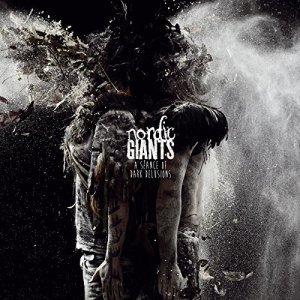
The debut album from this English duo features a brilliant cinematic feel among rock music. Predominantly instrumental, A Séance of Dark Delusions is epic in its scope and filled with moody, delicious imagery throughout – both awe-inspiring and reflective. The band’s videos are also something to enjoy.

99. Satan – Cruel Magic (2018)
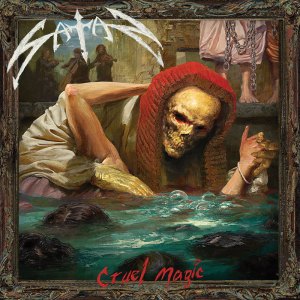
The third release after their triumphant return in 2013, Cruel Magic happens to be my favourite from the trio of releases. With fast-paced action, incredible guitar licks, and song structure, I feel the NWOBHM guys in Satan truly got their groove on with Cruel Magic.

98. Gridlink – Longhena (2014)
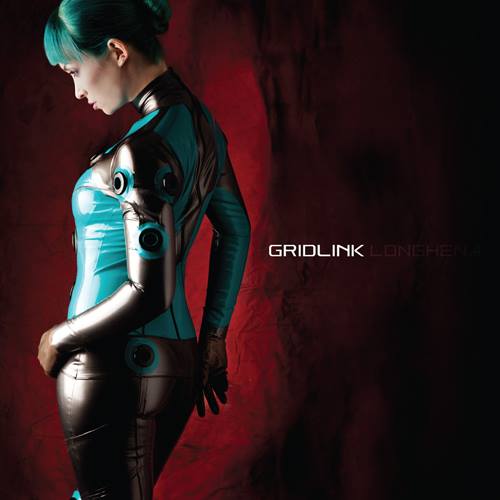
As I’ve written many times before, Longhena can be simply labelled as “beautiful grindcore.” However, the album is a lot more than just that. Thrilling riffs and stunning lyrics guide this brilliantly haunting album. While grindcore doesn’t usually feature it, Longhena is rife with so much melody – it’s the antithesis of grindcore – yet it works.

97. Planet X – Quantum (2007)
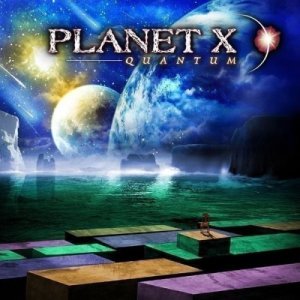
Founded by keyboardist Derek Sherinian and drummer Virgil Donati, and the band’s last release, Quantum makes my list because holy hell: these musicians are insane. With the strong first track, Alien Hip Hop, Quantum simply gets more and more complicated as the album progresses. The instrumentals could easily put bands like Spastic Ink and Liquid Tension Experiment to shame. But Quantum offers mood over style.

96. Oztric Tentacles – Technicians of the Sacred (2015)
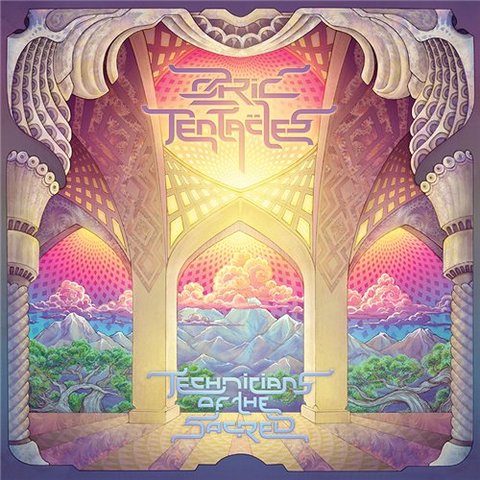
Even after their first album was released in 1989, Ozric Tentacles are still impressive. With their fourteenth album (and second double-length since 1990), Technicians of the Sacred is an audibly technical wonder. With varying themes and a bit of unpredictability, there’s easily something for everyone on this album which makes it great to go back to again and again.

95. Gorillaz – Gorillaz (2001)
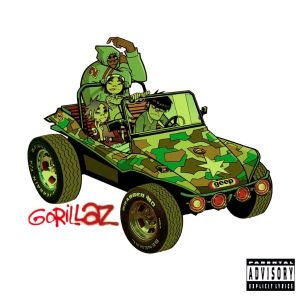
From Blur fame, Damon Albarn co-created the Gorillaz to help create a strange hybrid of hip-hop, electronic, punk, and rock music. The end result is a smooth-yet-strange-sounding, eclectic mix of songs which all flow together. From Re-Hash, to the hit single Clint Eastwood, to the Day of the Dead-inspired M1 A1, the self-titled debut of the Gorillaz is a feat on its own.

94. Transatlantic – The Whirlwind (2009)
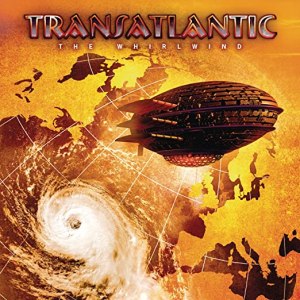
The progressive rock super group featuring Mike Portnoy (ex-Dream Theater), Neal Morse (ex-Spock’s Beard), Pete Trewavas (Marillion), and Roine Stolt (The Flower Kings) released The Whirlwind and literally blew me away. The 77-minute song featuring twelve movements is not only a triumphant song, but a well-executed lesson in songwriting and musical scope. Never veering away from its origins, The Whirlwind tells a story and keeps within the themes without becoming too preachy or too technical.

93. Overkill – Necroshine (1999)
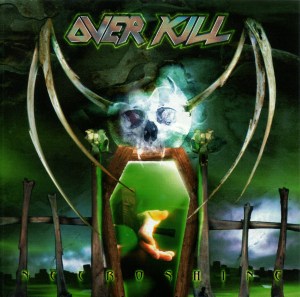
Let’s remember this is my list of favourites now, shall we? While Necroshine isn’t everyone’s favourite Overkill album, it stands out for me because it’s something so different. Like Kreator’s Renewal album, Necroshine took elements the band had and twisted it into something strange. With electronic elements and real groove, Necroshine works for me. I regularly think of the “screams” in the title track. While not their best album, it’s certainly a lot of fun.

92. Mgła – Age of Excuse (2019)
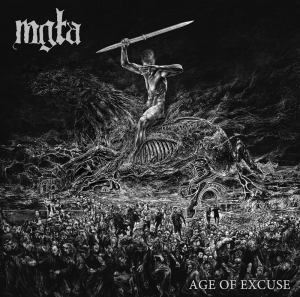
This album is all about the drummer, Darkside. Holy smokes. In all seriousness, Age of Excuse is a powerhouse of black metal. With tense guitar riffs enriched with darkness and mixed with impressive cymbal work, Age of Excuse stands out for me for its ingenuity by taking something which could be boring and making it into something much bigger than itself. Age of Excuse II is a perfect example on that.

91. Voivod – War and Pain (1984)
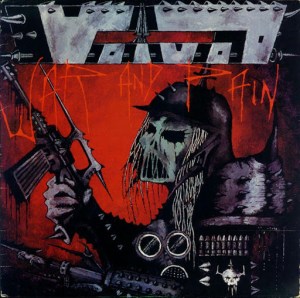
There’s something awesome to the production of War and Pain that just constantly brings me back to it. From all of the over-the-top album production of the modern era, War and Pain has a certain kind of charm among its filth. It’s a messy album, but it is something I return to time and time again – more than all other Voivod releases.

90. Black Sabbath – Black Sabbath (1970)
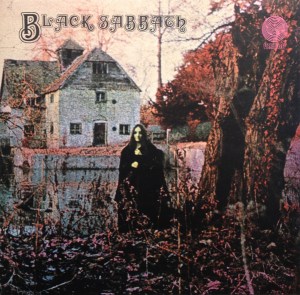
The debut album of this incredibly influential band: From the first frightening doom riff in the title track, to the harmonica work in The Wizard, or the groove in Behind the Wall of Sleep or N.I.B. and so on. It’s an album that’s a favourite for its influence on, well, mostly everything I listen to!

89. Stone Temple Pilots – Purple (1994)
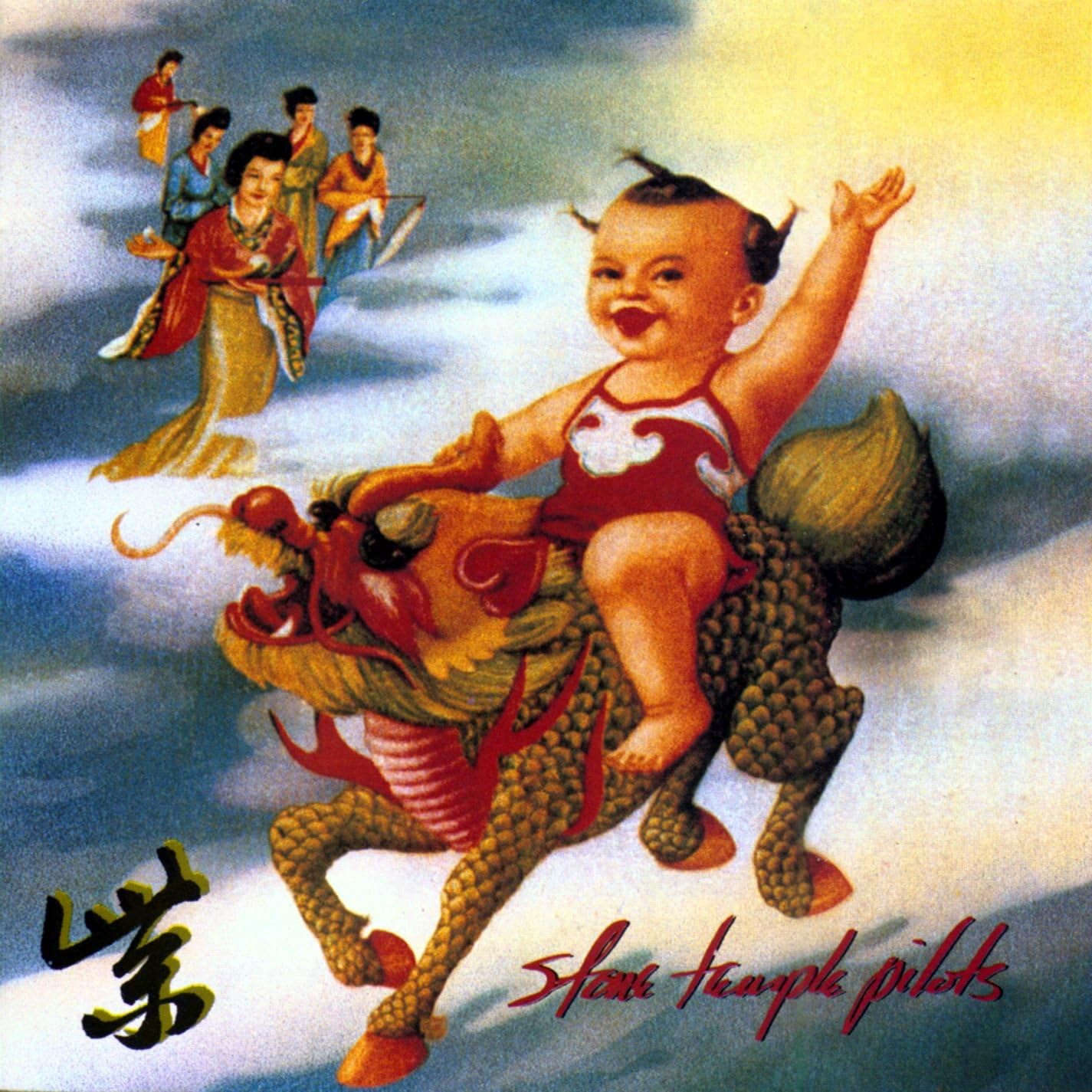
At the heart of me learning the bass is Robert DeLeo’s incredible groove within STP’s second album, Purple. While still under the grunge moniker, Purple ascends its peers with moving music pieces and a musical scope that goes unmatched. While grunge may have been mocked for its style, Purple has always felt to me what Yes would sound like had written grunge.

88. Nile – In Their Darkened Shrines (2002)
As one of the first technical death metal albums I’ve had grace my ears, In Their Darkened Shrines is a beast. With wild tempo changes, lightning fast guitar riffs, melodic guitar solos, blazingly intense drumming, Nile, to the uninitiated, seem like they’re a mess. However, In Their Darkened Shrines was an eye-opening album for me as I learned death metal had structure. And of course, there’s Unas Slayer of the Gods. . .

87. Bell Witch – Mirror Reaper (2017)
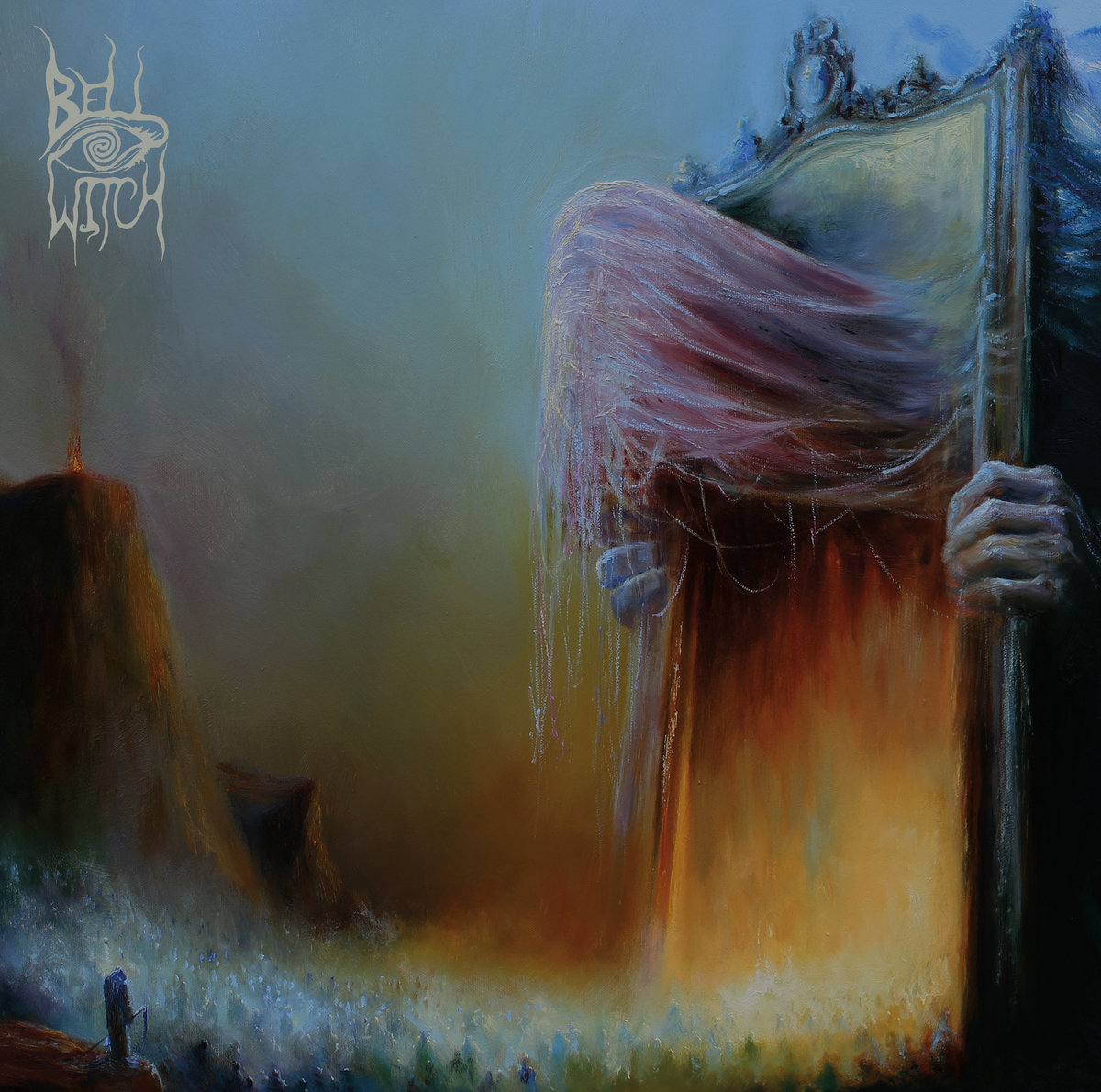
I love this funeral doom album for its simplicity: drums, bass, vocals, and a Hammond organ make up this hour and twenty minute feat of a song. Naturally bleak, the song ebbs and flows with many themes of darkness and despair. The subtleties in the song are very introspective. While it’s not something I play often, it’s an album that stands out for all the right reasons.

86. iamthemorning – Lighthouse (2016)
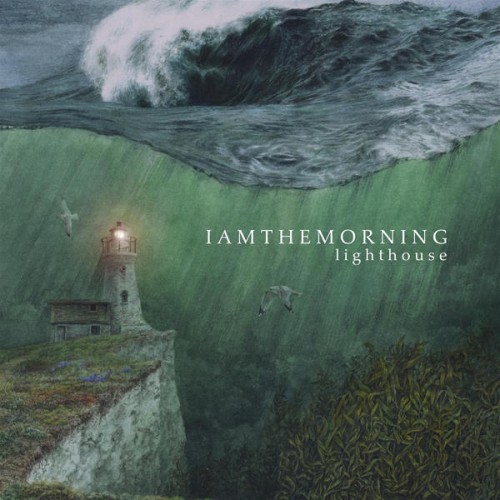
One part chamber music with another part progressive rock, Lighthouse is a powerhouse of elegance. Gorgeous themes, vocals, and rhythm are strong within the album. I’ve felt the band is a mix between Porcupine Tree and Magenta, but truly iamthemorning, and more specifically, Lighthouse, stands on its own as one triumphantly beautiful album that I love to revisit and appreciate.

85. Dixie Dregs – Free Fall (1977)
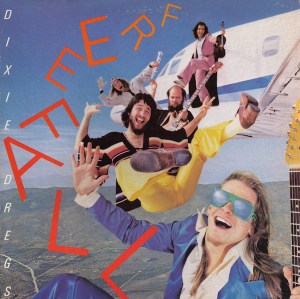
Free Fall is the second album from the jazz-fusion band, Dixie Dregs. I’ve always appreciated the complexities of the band, but I love Free Fall the most. The album features some of the greatest musical moments I’ve encountered. From the wails from Steve Morse, to the grooving bass line in Cruise Control, to Allen Sloan’s perfectly placed violin, Free Fall always puts a smile on my face.

84. Pig Destroyer – Terrifyer (2004)
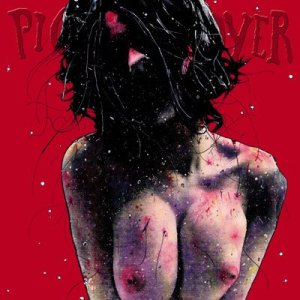
My first delve into Pig Destroyer was the release of Terrifyer. With 21 tracks in 32 mintues, the intensity of this album is, well . . . intense! Merging multiple genres under the blanket of the grindcore genre, Terrifyer does what it says and assaults the senses. Overwhelming and filled with both horror and rage, the blistering panic the album creates is one of the many reasons why I appreciate it – it’s an album that fills me with emotion – whether positive or negative.

83. Ulver – Bergtatt – Et eeventyr i 5 capitler (1995)
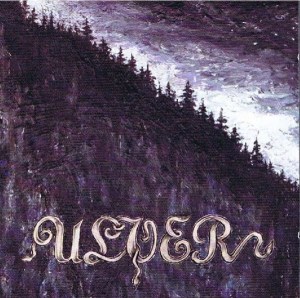
Ulver’s been a lot of genres over the years, but Bergtatt is where they started. As a black metal album, it still stands out as something unique. It’s emotionally driven and rich with atmosphere. It’s both melancholic and sublime despite having an underlying aggressive feel. While the band has strayed from this particular style, their feelings haven’t – as you’ll see later down my list when we revisit Ulver again.

82. Portal – Vexovoid (2013)
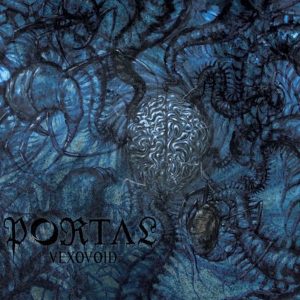
I’ve called this album the “Soundtrack to Hell” since the first time I listened to it. Portal’s droning chaos is sinister and hellish. The drums sometimes feel as if they’re lagging, giving an uneasy sluggish feel. The guitars and bass are crunched, distorted, and painfully hard to understand. Vocally, it sounds as if you’re getting sucked into the depths of Hell. It’s a great album.

81. Metallica – Kill ‘Em All (1983)
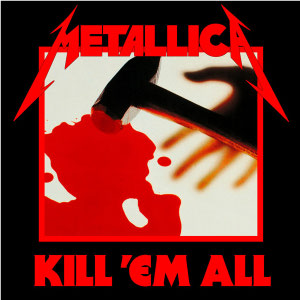
I hate being “that guy” but I honestly feel Metallica’s debut, Kill ‘Em All, is their best album. But we’re also talking about my favourite albums! There’s something very honest and true to this album. Whether it’s the original production that makes it so awesome, or Dave Mustaine’s guitar solos on the album. Kill ‘Em All features most of my favourite Metallica songs and it is unrelenting with its power.

80. Overkill – The Electric Age (2012)
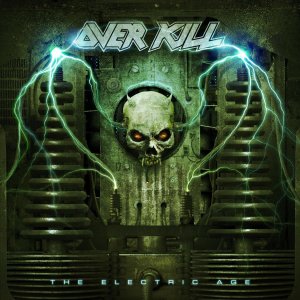
Overkill’s comeback with Ironbound in 2010 blew everyone away with an awesome return-to-form. However, I feel their follow-up, The Electric Age, is better. Overkill’s traditional thrash metal with D. D. Verni’s signature bass tone ripping through in modern production just puts me in a great mood. The songs are catchy, the riffs are fast, and the songs are just well put together. While I love Overkill new and old, The Electric Age is, in my opinion, their best album.

79. Spock’s Beard – The Light (1995)
What a great debut album. Featuring four tracks with three of them over twelve minutes, The Light is a prog rocker’s delight. Introducing musical heavy hitters Neal Morse and Nick D’Virgilio, along with Neal’s brother Alan and bassist Dave Meros, The Light is a sonically bright album. While the lengths of songs may be daunting, each one features variation to excite the listener and keep them drawn in. I love the feeling of this album and find it great to regularly revisit.

78. Cynic – Kindly Bent to Free Us (2014)
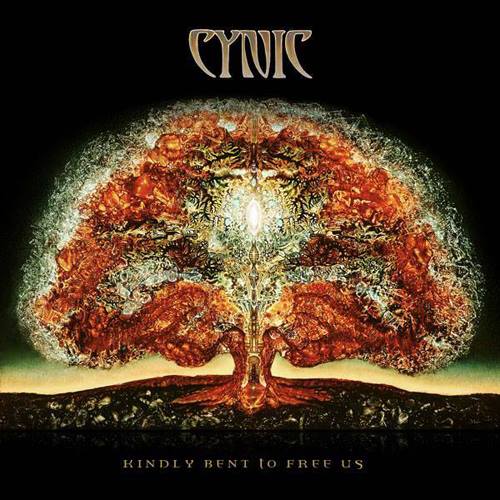
Although starting off in the progressive death metal realm, Cynic’s Kindly Bent to Free Us shifted away entirely and is an honest and modern-feeling progressive metal album. Featuring the usual Paul Masvidal, and the now-late Sean Reinert and late Sean Malone, Kindly Bent to Free Us will forever be close to the vest for me. The band and their brilliant musicianship will be forever honoured with this album.

77. Amon Amarth – With Oden on Our Side (2006)
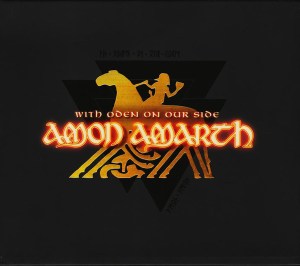
What may be argued as the last great Amon Amarth album (although some of you Versus the World folk may disagree), this Viking death metal album features some great melodies and catchy riffs which threw the band into the limelight – and arguably forced the band to make their music a bit too polished afterwards. The catchy riffs never faltered as songs like Runes to my Memory and Under the Northern Star drive the album front to back with excellence.

76. Anneke van Giersbergen – Everything is Changing (2012)
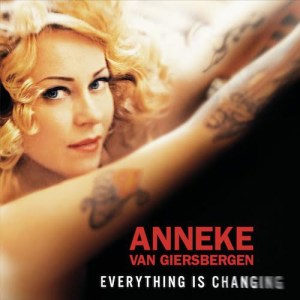
There’s something about how this album feels that has always stuck with me. I’m not sure what happened in production or whether Daniel Cardoso’s (Anathema) co-writing has anything to do with it, but Everything is Changing stands out as a great alternative rock album. Anneke’s lyrics, much like the music, is true and humble. Feeling stronger than her previous albums, and sounding different that later ones (including this year’s The Darkest Skies are the Brightest) there’s some sort of emotional resonance that sticks with me on this album. I haven’t been quite able to figure it out, which I suppose is another reason why I enjoy the album so much.

75. Wood of Ypres – Woods 5: Grey Skies & Electric Light (2012)
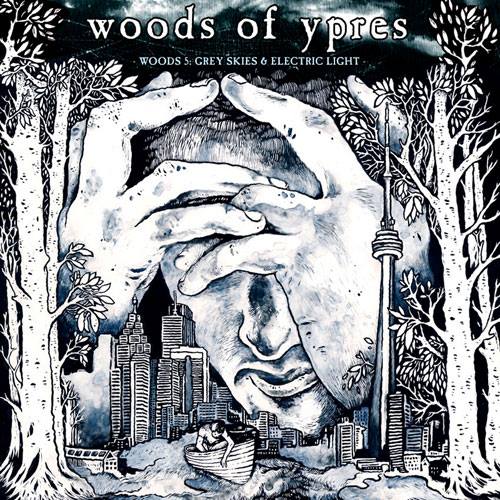
The final album from the late David Gold: his Juno Award winning album, Grey Skies & Electric Light hits all the marks for an incredibly moody and sorrow-filled album. Spot on as always, Gold’s lyrics force deep self-reflections and thought-provoking concept makes this album feel like catching up with an old friend.

74. Fates Warning – A Pleasant Shade of Gray (1997)
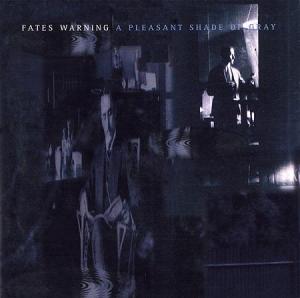
Twenty years ago, this album would’ve been in my Top 20, maybe even my Top 10. APSoG holds a special place in my heart due to the fact it has been through a lot of my life – both good and bad. APSoG is a definitive album in my musical development. But what makes this album so great is how it is essentially what it says it is: a pleasant shade of gray. It’s moody, depressive, but uplifting in many moments. The album FEELS gray, which is simply a feat onto itself.

73. Tomb Mold – Planetary Clairvoyance (2019)
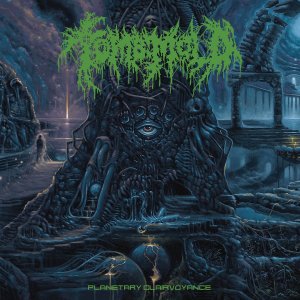
Another newcomer – which absolutely stunned me first seeing them open for Pig Destroyer a few years ago – Tomb Mold’s Planetary Clairvoyance is an awesome sounding death metal album, harkening back to the genre’s first emergence in the early 90s. Planetary Clairvoyance does what so few albums do – take simple riffs and make them feel so much bigger. With great catches and grooves, this album will probably grow further down the list for years to come.

72. Black Sabbath – Heaven and Hell (1980)
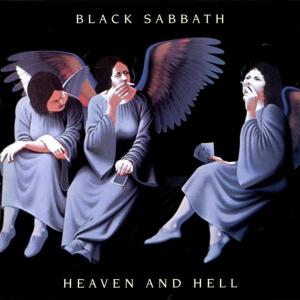
One of the first songs I learned to play by ear on my bass guitar was the title track. I spent a good chunk of my teenage years playing it over and over, learning Geezer Butler’s bass lines and feeling the monumental vocals of Ronnie James Dio. As I grew to love the album, I became more impressed with the shift in song style from Ozzy-era Sabbath songs. It was a familiar but different Black Sabbath – one I truly appreciate.

71. Morbid Angel – Covenant (1993)
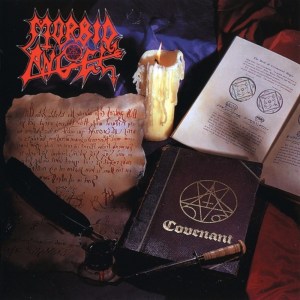
This album though. Angel of Disease, Pain Divine, God of Emptiness – hugely influential songs for me. Listening to past or future Morbid Angel albums – nothing really compares to the intensity and impact Covenant had. There was something magical with the album which blends memorable songs with the crushing impact of Pete Sandoval’s drums.

70. Moonsorrow – Suden uni (2001)
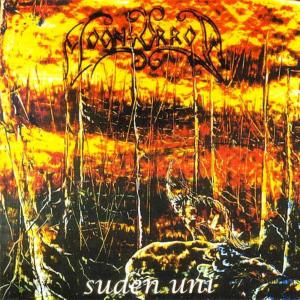
Kuin ikuinen, 1065: Aika, and Pakanajukla were songs on repeat in my household. Aside from the band Waylander, I had never really heard folk/Celtic metal – let alone something mixed with black metal. I learned of Moonsorrow with their debut, Suden uni, and have been forever impressed upon by the epic nature of the band’s scope. Everything they have done is outstanding since (and I really debated replacing Suden uni with Kivenkantaja), but Suden uni will be one of those albums I’ll always remember where I was went I first heard it.

69. Gentle Giant – Free Hand (1975)
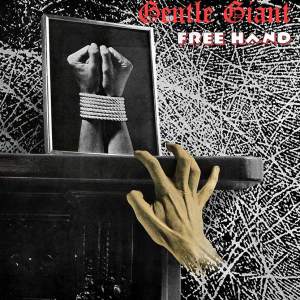
Of all Gentle Giant albums, Free Hand stands out the most to be not only for its accessibility, but because it’s just so damn fun. Every song, while feeling pop in nature, is very progressive. I’ve felt it is easy listening for the uninitiated prog fans and still progressive enough for die-hards to enjoy. The album comes with a Genesis and Jethro Tull feel (just listen to Time to Kill), yet the album stands out as unique.

68. Judas Priest – Stained Class (1978)
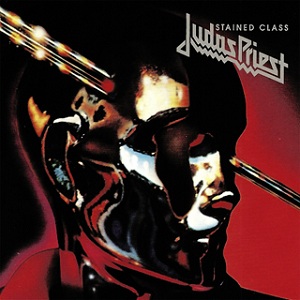
One of the band’s greatest releases, Stained Class comes with some incredibly classic tunes: the speedy Exciter, the moody White Heat, Red Hot, the bellowing Saints in Hell, and more! I find myself revisiting this album regularly just to hear the mighty Halford wail, “Stand by for Exciter!” Stained Class is a powerhouse record that I feel is underappreciated within the Priest catalogue.

67. Stone Temple Pilots – Shangri-La Dee Da (2001)
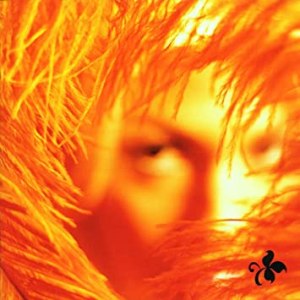
Of all the STP albums, why is Shangri-La Dee Da is my favourite? While it features one of my least favourite STP songs (Days of the Week), from the fourth track to the end, each song is so beautifully and honestly written, I can help but appreciate the songs within the scope of popular music. From Black Again to Bi-Polar Bear, the songs ooze with emotion and don’t shy away from uncomfortable truths. To make the album even better, most of the songs are absolutely calming and beautiful.

66. Amorphis – Tales from the Thousand Lakes (1994)
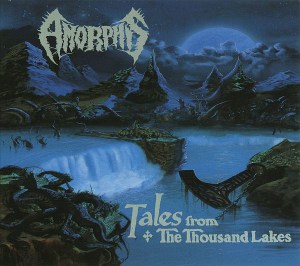
While I still feel this album needs a re-master, Tales from the Thousand Lakes is just a beast to take on. It’s still one of the more unique death metal albums in existence with its strange approach to instrumentation and songwriting. While the band may not be what they used to be, Tales has a long-lasting legacy of being one of most important death metal albums to come out of the 1990s.

65. Black Sabbath – Master of Reality (1971)
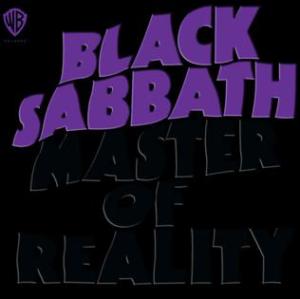
The final Black Sabbath album to make my list, Master of Reality is a jaw-dropper. Including the well-known hit single Sweet Leaf, each song is absolutely stunning. The chugging of Children of the Grave, the bluesy Lord of This World – the album has it all. And the final track, Into the Void, still resonates to me as one of the greatest guitar riffs ever to have been written.

64. Blind Guardian – Somewhere Far Beyond (1992)
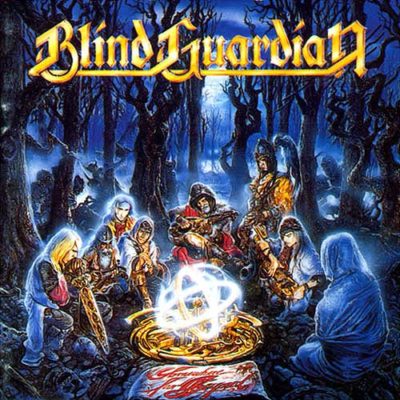
Melodic, fast, daring – Somewhere Far Beyond – Blind Guardian’s fourth album is a beast from front to back. Equally thrilling as it is powerful, songs like Time What is Time and the title track are riddled with epic moments to rock your head to, whereas Journey Through the Dark is what I feel peak Blind Guardian is. With The Bard’s Song tying the heaviness together – it really makes for one of their best albums.

63. Evergrey – The Inner Circle (2004)
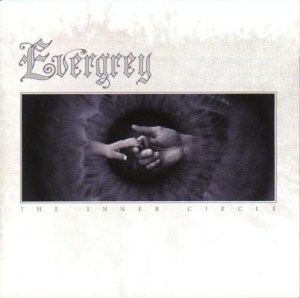
This dark and dreary album is progressive power metal done right. While previous albums like Recreation Day and In Search of Truth carried similar themes, The Inner Circle created a feeling of claustrophobia and despair. In my opinion, it wouldn’t be until Glorious Collision where the band would be able to capture that particular feeling again. Like previous albums Suden uni and Covenant, this album was in the right place at the right time for me and was monumental when I first came across it.

62. Emperor – In the Nightside Eclipse (1994)
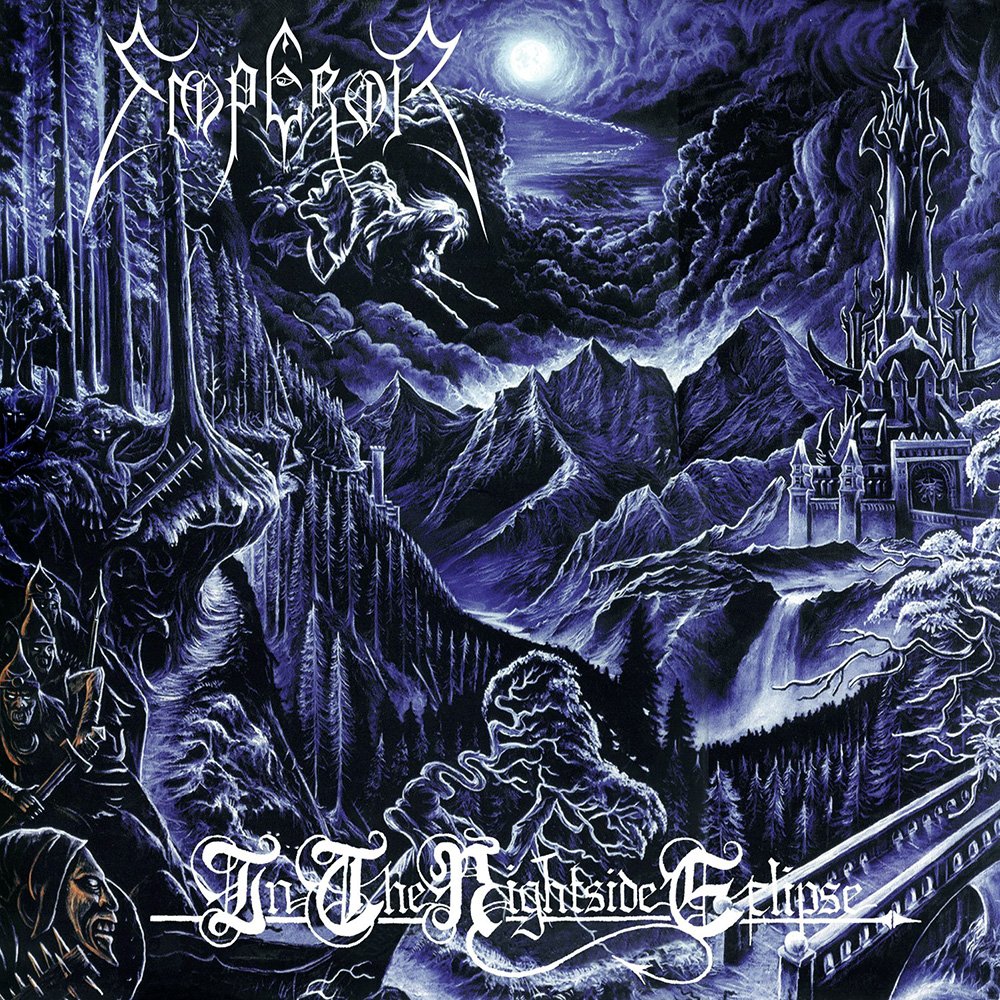
Influential to both the black metal genre and me, In the Nightside Eclipse is a sonic landscape. With its low production value and incorporation of keyboards, black metal would never be the same after its release. For me, it was going back and hearing what this album meant for the music I was listening to now. I appreciate this album for everything it has done, but also for some of the incredible sounds that come from it. The riffs and screams in Cosmic Keys to My Creations and Times will always stand out as a favourite of mine.

61. My Dying Bride – Feel the Misery (2015)
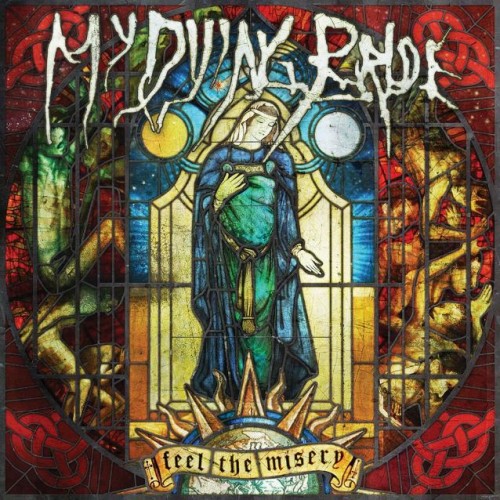
Had this album not been released, 2004’s Songs of Darkness, Words of Light would’ve probably made this list. Feel the Misery is an incredible douse of sadness and doom with strong storytelling and great execution. It’s become a comfort album I find myself returning to every-so-often.

60. Blink 182 – Take off Your Pants and Jacket (2001)
I’m sure this is an unusual album for everyone to see, but TOYPaJ is a masterpiece from both the production side of things and a songwriting aspect (especially if considering it from the band’s perspective). Every song has some major punch with it and features incredibly well-written progressions. TOYPaJ proves that there’s more to music than just power chords – there’s feeling – and the production behind that feeling. As a metal head listening to this album, it comes across as a very basic album (Travis Barker aside). As a music lover, the TOYPaJ offers so much more to the listener.

59. Ayreon – The Human Equation (2004)
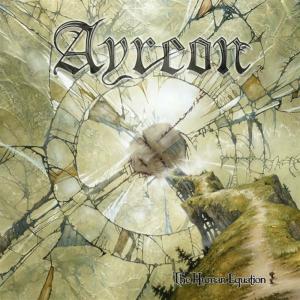
Taking a bunch of my favourite singers and throwing them into one album, Arjen Lucassen’s psychological concept album was a break from his science-fiction world (kind of) and instead explored human emotions, trauma, love, and so on. The stand-out for me was how neat, if not a bit campy, the concept album was – yet it worked beautifully. Every so often, instead of a movie, I’ll put The Human Equation on instead – as it features everything someone would want in a film.

58. Shadow Gallery – Tyranny (1998)
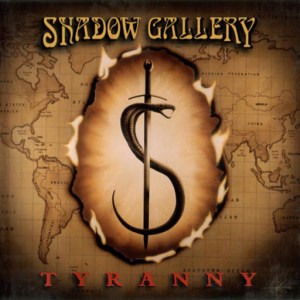
What I always felt as a modern take on Queensrÿche’s Operation: Mindcrime, Tyranny showcased the technical prowess of this relatively unknown progressive metal band. This album, like The Human Equation, was a regular mainstay at my home – both my brother and I spinning them regularly. I loved the intricacies of the story and the science-fiction element of Big Brother. It was a fun story that just happened to have some incredible musicianship backing it.

57. Kamelot – The Black Halo (2005)
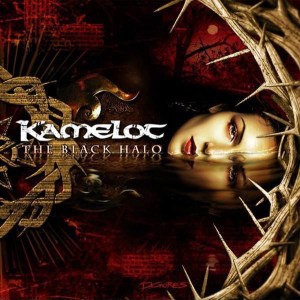
While this is the third concept album in a row in my list, I didn’t actually care for The Black Halo’s story. But the songs! Holy smokes – are they great. For Kamelot, The Black Halo arrived to critical acclaim. With strong songs like When the Lights are Down, March of Mephisto, and the melodic Moonlight, who needs a story when one can headbang along to these amazing tracks?

56. Celtic Frost – To Mega Therion (1985)
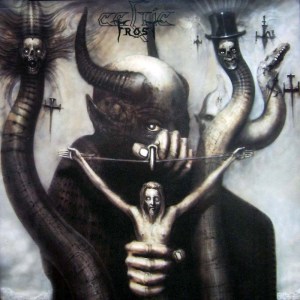
Celtic Frost’s debut LP broke boundaries upon its release. Like Emperor’s Nightside album, I revisited this album later in life to appreciate what it did and ended up loving it. Each track is explosive and filled with power. By the time you get to the haunting final track in Necromantical Screams, you’re a changed person.

55. YOB – Our Raw Heart (2018)
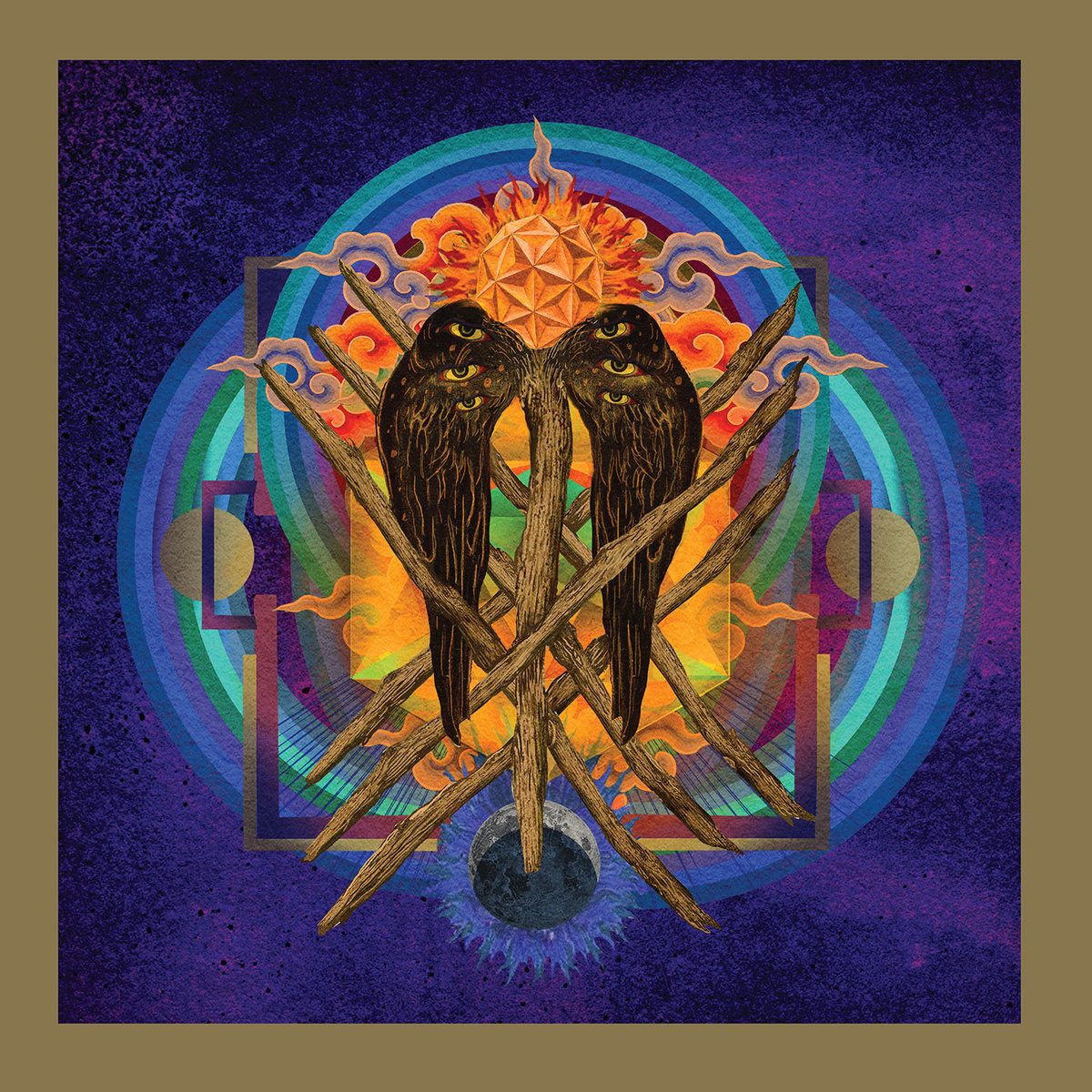
My album of the year in 2018, YOB’s Our Raw Heart certainly affected me in profound ways. The album’s “uplifting doom” so-to-speak was emotionally charged and quite frankly, very sad. Mike Scheidt’s mournful vocals on the album truly encapsulate what the music is trying to do – Beauty in Falling Leaves is a testament to that.

54. Ulver – The Assassination of Julius Caesar (2017)
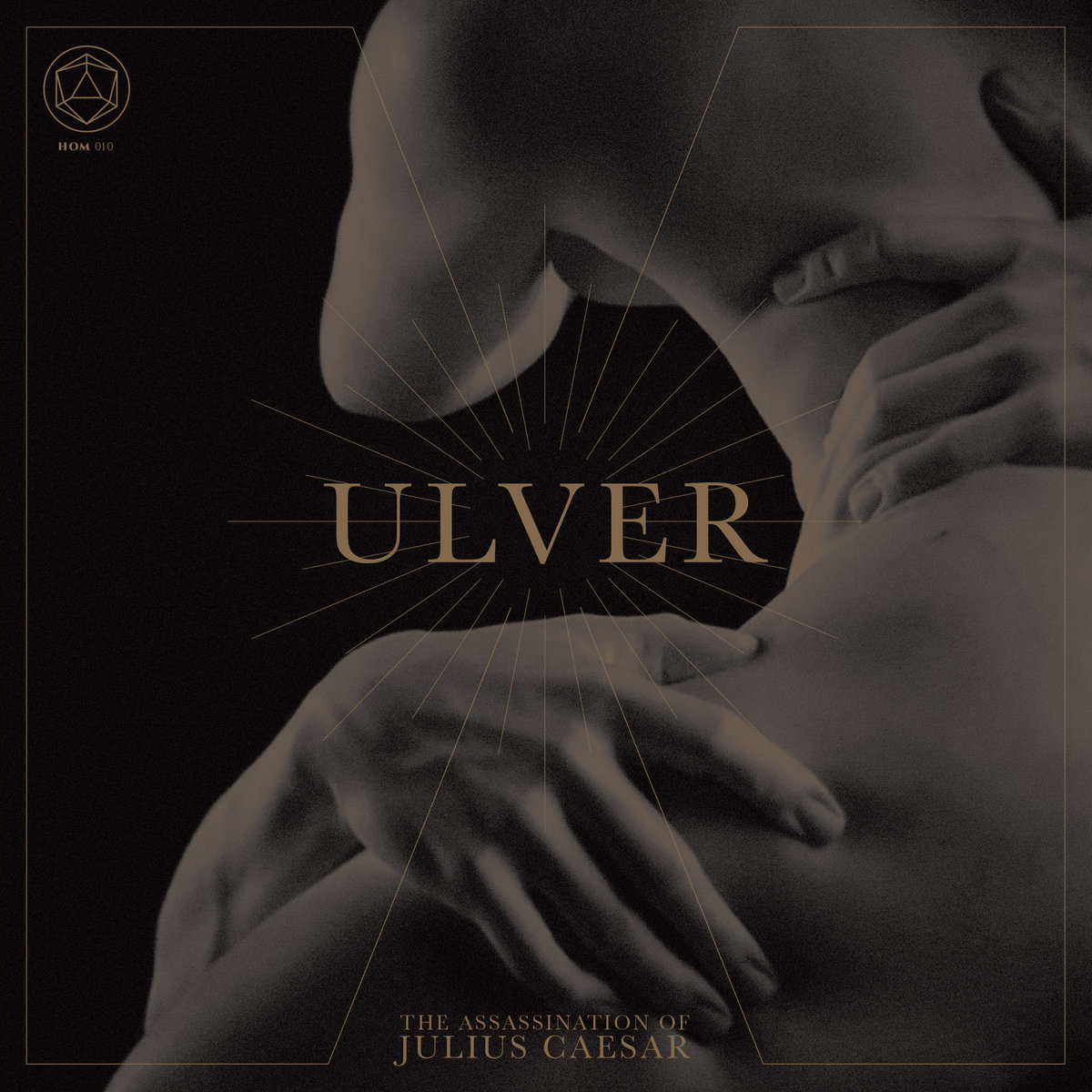
Dripping with reverb and emoting Depeche Mode, Ulver’s Assassination of Julius Caesar is an auditory delight. Unlike their previous entry on my list, Ulver’s recent albums turn more electronic-sounding, making for eerie, gorgeous soundscapes dripping with mood. I turn to this album quite often.

53. Death – Leprosy (1988)
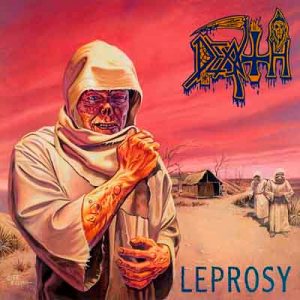
Like I said, this list is my favourite albums – not the best. While Death has some better albums out there, Leprosy is hands-down my favourite. Watching the evolution of the death metal genre through this album is what really stands out for me. With songs like Choke on It, and my favourite, Pull the Plug, the oozing growth of the death metal genre is on display for all to see. As an aside, I truly appreciate the sound of the snare drum on this album.

52. Dream Theater – Images and Words (1992)
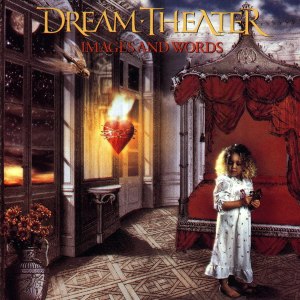
One of my first forays into heavy metal, Dream Theater’s Images and Words literally changed my life. I would listen to this album on a regular basis – going to sleep with in on all throughout high school. I learned many of the songs on bass guitar and even had my own band covering Learning to Live. This album may not be their best, but it’s highly influential to me for many ways. Not to mention the guitar work is out of this world. If you want to hear one of the greatest guitar solos of all-time, listen to John Petrucci’s (and his tone) in Under a Glass Moon.

51. Porcupine Tree – In Absentia (2002)
Again with the drummers: With Gavin Harrison’s arrival, Porcupine Tree evolved (again) to something bigger. With In Absentia, the band’s groove changed. More straight-forward tracks like Blackest Eyes, Trains, and The Sound of Muzak may feel safe, but come with incredible nuance. In addition to songs like .3 and Gravity Eyelids, an awesome depth is brought to the album. It’s powerful, progressive, and most of all, wonderfully executed.

50. Devin Townsend – Empath (2019)

Listed as my favourite album in 2019, Devin Townsend’s Empath is an adventure. Featuring a swath of different musical genres, instruments, and musicians, Empath is a breathtaking wonder to behold. With so much to absorb, each listen presents something new and wonderful. Songs like Why?, Sprite, and the epic Singularity, each are unique, yet come with the flair in songwriting Devin Townsend’s known best for.

49. Kreator – Endless Pain (1985)
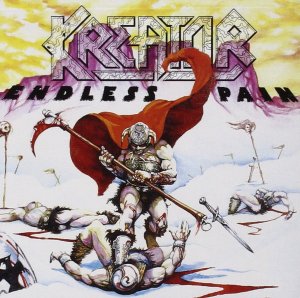
Endless Pain is one of my favourite thrash metal albums. Although filled with muddy production, songs like Storm of the Beast and Cry War would lose their charm if polished. Fast and unrelenting, this album was one of the first thrash albums I heard that really knocked me out. Tormentor, Flag of Hate, Total Death: each song unique on their own and a whole lot of fun to listen to.

48. Riverside – Fear, Love and the Time Machine (2015)
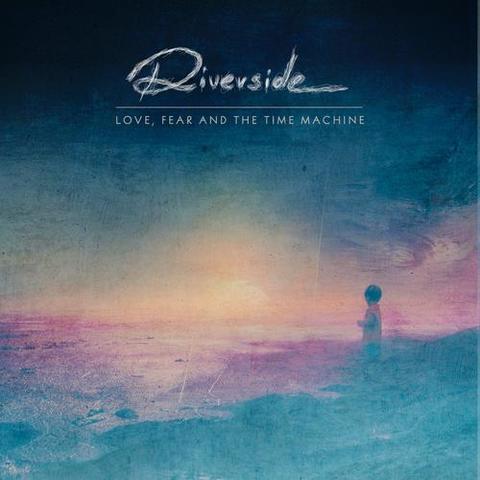
Brilliantly sublime, Riverside’s Fear, Love and the Time Machine is a favourite for how it makes me feel. There’s a certain level of serenity that comes with the album which I find hard to find in others. It’s a progressive rock album at heart that comes bundled with ripe emotion and yet this unmistakably subtle calmness.

47. Symphony X – Paradise Lost (2007)
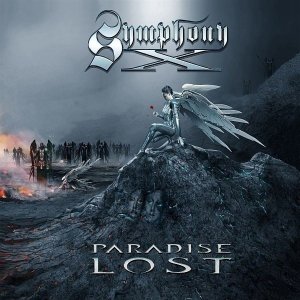
In Paradise Lost you find some of the greatest guitar riffs in the band’s career. With incredible speed and high on its epic scope, Paradise Lost is a ripping good time. From the onset, the blazing guitar work of Michael Romeo along with the raspy vocals of Russell Allen draw you right into the world they’ve created. The rest of the band showcase later on, but by the next song, Domination, Michael Lepond’s bass work will melt your ears and you’ll be hooked.

46. King Diamond – Them (1988)
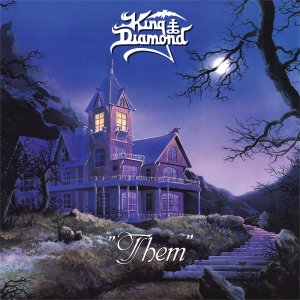
If I could make a movie out of any album, it would be King Diamond’s Them. A gorgeously written and performed horror story, Them is everything I want from 80s horror movies in my music. While the King himself is an acquired taste, the musicianship is top-notch. Andy LaRocque’s guitar work is out of this world, not to mention the memorable drum fill from Mikkey Dee in Welcome Home, Them is a masterpiece. “From the first cup of tea to the last drop of blood.” I love it.

45. Gorguts – Pleiades’ Dust EP (2016)
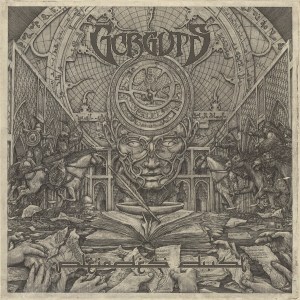
Gorguts’ 33-minute long song took me by surprise when I first heard it. It sounded like Gorguts, but with leader Luc LeMay getting the rest of the band’s input – Pleiades’ Dust came with a whole different feel. The lyrically historical song has momentous movements and incredible techniques which are unparalleled in other death metal bands. While Gorguts have changed a bit since their initial debut, Pleiades’ Dust is easily one of the best things they’ve ever done.

44. Motörhead – Overkill (1979)
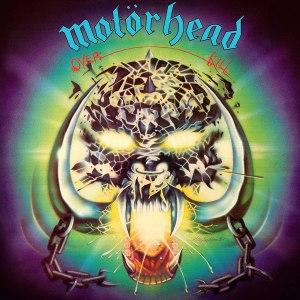
From the title track to the final song, Overkill is one of the best heavy metal albums from the 70s. Filled with speed and aggression, each song tells a story from the amusingly charismatic Lemmy Kilmister. “Fast” Eddie Clarke and Phil “Philthy Animal” Taylor of course were the sound of Motörhead – with their raw, unrelenting force. Each song on this album is an A+ for me.

43. Aborted – Retrogore (2016)
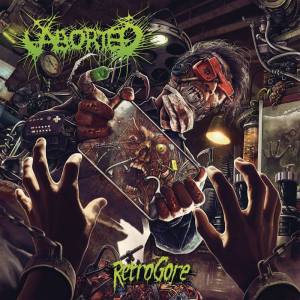
There’s something about Retrogore which I absolutely love. On the musical side of things, it’s fast and invasive death metal. Lyrically, it’s a whole lot of fun. The tongue-in-cheek style of Aborted’s love story to classic horror films is something I didn’t know I wanted, nor something I didn’t realize I’d return to again and again.

42. Peter Gabriel – So (1986)
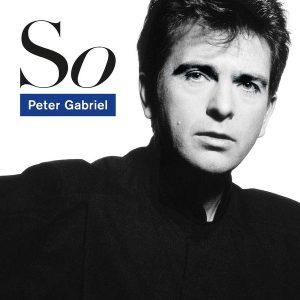
Finalizing this list, I found it weird to see the two albums Peter Gabriel’s So was sandwiched between. I digress. So is a truly a masterpiece in songwriting and musicianship. While appearing as a pop album, So oozes progressive rock through-and-through. I enjoyed every song on the album, but grew an even greater appreciation (especially with This is the Picture) when seeing it performed in its entirety a few years ago.

41. Marillion – Fuck Everyone and Run (F.E.A.R.) (2016)
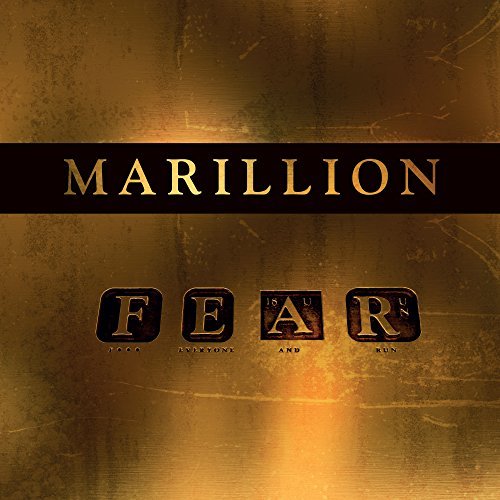
Their best album since Marbles – and arguably of their career – Marillion’s eighteenth studio album shows that the British band still has the best years ahead of them. F.E.A.R. is moody, depressive, open and honest – portraying the feelings of what the band felt in their country in present time. It’s non-apologetic and features beautiful arrangements. It’s so strongly written, I feel as if F.E.A.R. could be looked upon years later for historical context.

40. Opeth – My Arms, Your Hearse (1998)
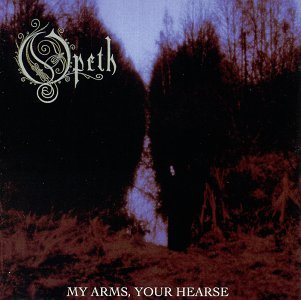
I borrowed this CD from a friend in high school, not fully aware what I was getting into. Like Gorguts, I was just really getting to know death metal. I was already familiar with progressive metal, but hadn’t considered what the implications were of the two genres coming together. My Arms, Your Hearse showed me some marvellous endeavours with its back-and-forth changes from intense brutality to the calm and serene. Demon of the Fall, yo.

39. Cannibal Corpse – Torture (2012)
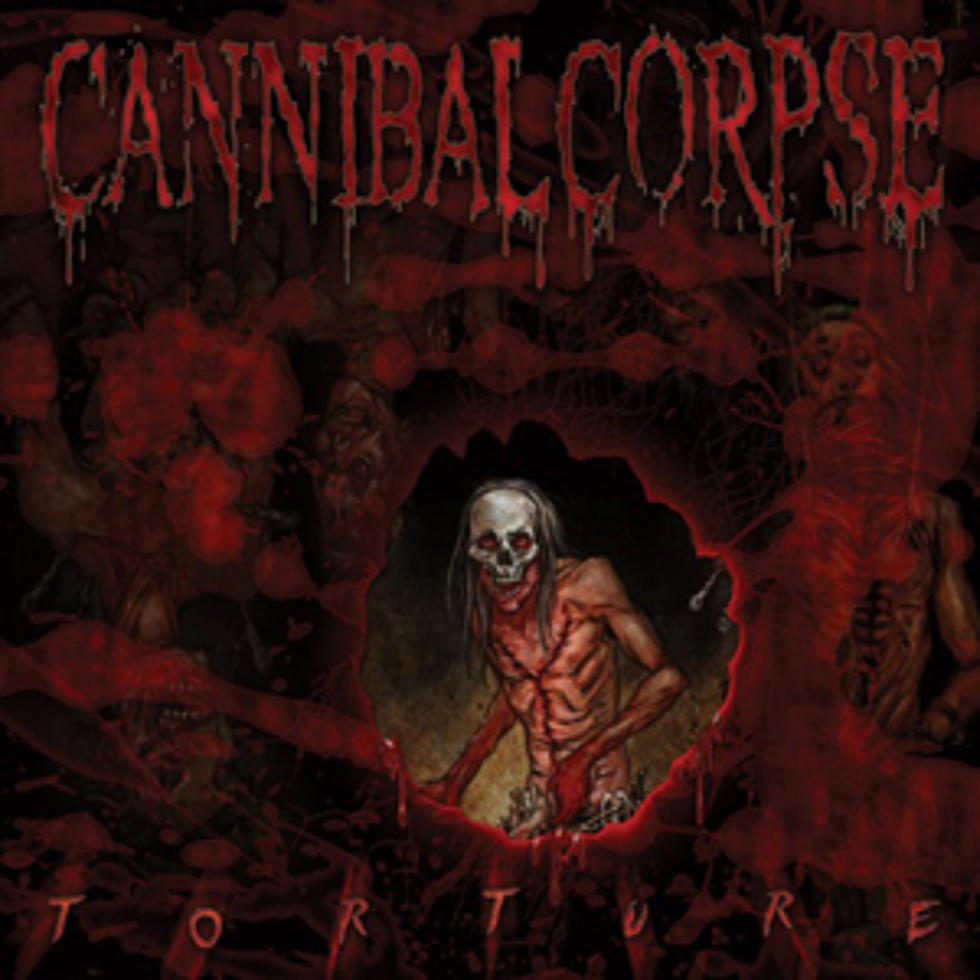
Torture came about in my life when I needed it most. With headphones on, I absorbed this album hard when it was released. Whether it was the crisp production, the insane riffs, or the cacophonous bellowing of Corpsegrinder, I really needed the album in those moments. Since then, I’ve regularly returned to the album with great interest. I also truly appreciate songs like Scourge of Iron which aren’t as fast as traditional death metal, yet come with a brilliant guitar tone and lead.

38. Amorphis – Skyforger (2009)
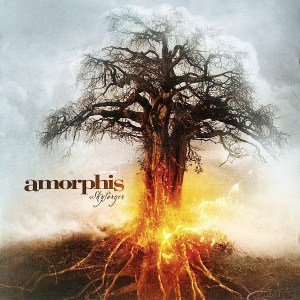
Becoming more and more melodic, Skyforger was a treat for me. While I have appreciated Amorphis’ music from past to present, Skyforger was yet another one of those albums that were right for me at the right time. With songs like Sampo, From Earth I Rose, and one of my favourite bonus tracks, Godlike Machine, Skyforger is a great mix of heavy and light songs which I absolutely appreciate.

37. Esoteric – A Pyrrhic Existence (2019)
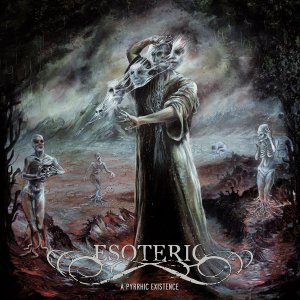
Admittedly, I’ve only been a few years on the Esoteric bandwagon, but A Pyrrhic Existence is simply gorgeous. The funeral doom band created ebbs and flows of emotions – a slow build and a slow burn. It’s dark, bleak, and exhausting, with the music becoming more philosophical than engaging. This two-disc album is chock full of density and suffering, making it a powerful album in its own right.

36. Arcturus – The Sham Mirrors (2002)
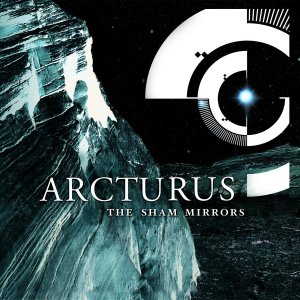
Trying to nail down Arcturus is nearly impossible. They’re whatever they want to be – and The Sham Mirrors is an unapologetic testament to that. Compressed to all hell, it’s avant-garde, black metal, progressive, and at times, lo-fi. The album cohesively swings in various directions, constantly engaging the listener with something wild and new. I find myself regularly absorbed to the strange tones it offers – tones which I can only find on this album.

35. Damon Albarn & Michael Nyman – Ravenous (1999)
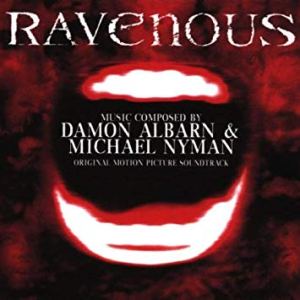
Featuring Blur (and Gorillaz) leader Damon Albarn, my all-time favourite soundtrack – I swear I could write a full-blown essay about each song. After watching the movie, I had to grab this album. From the bizarre time signature banjo-twang in Boyd’s Journey to its orchestral reprise in the End Titles, Ravenous has some of the best music I have ever heard in my entire life. No doubt.

34. Strapping Young Lad – City (1997)
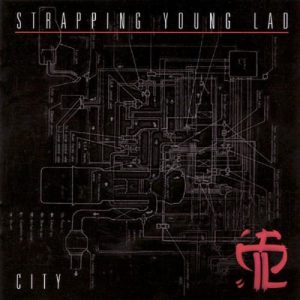
While they’d later coin a song called Shitshow, SYL’s City first came across as that. The aggressive, overwhelming nature of the band’s extremity is eye-opening and an absolute shock to the uninitiated. Powerful is an understatement when explaining City. With the Atomic Clock himself, Gene Hoglan on drums, Devin Townsend’s first real foray into aggression made a statement to the heavy metal world which still resonates to this day.

33. Judas Priest – Sad Wings of Destiny (1976)
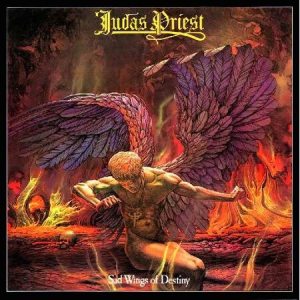
What a classic. For their second album, Judas Priest cemented themselves into heavy metal. With bluesy guitar riffs and Rob Halford’s now-famous wail, Sad Wings is a joy to jump into time and time again. With so many great tracks, everything stands out. I’ll give it to Island of Domination for that wonderful, raspy growl by Halford though.

32. The Tangent – A Place in the Queue (2006)
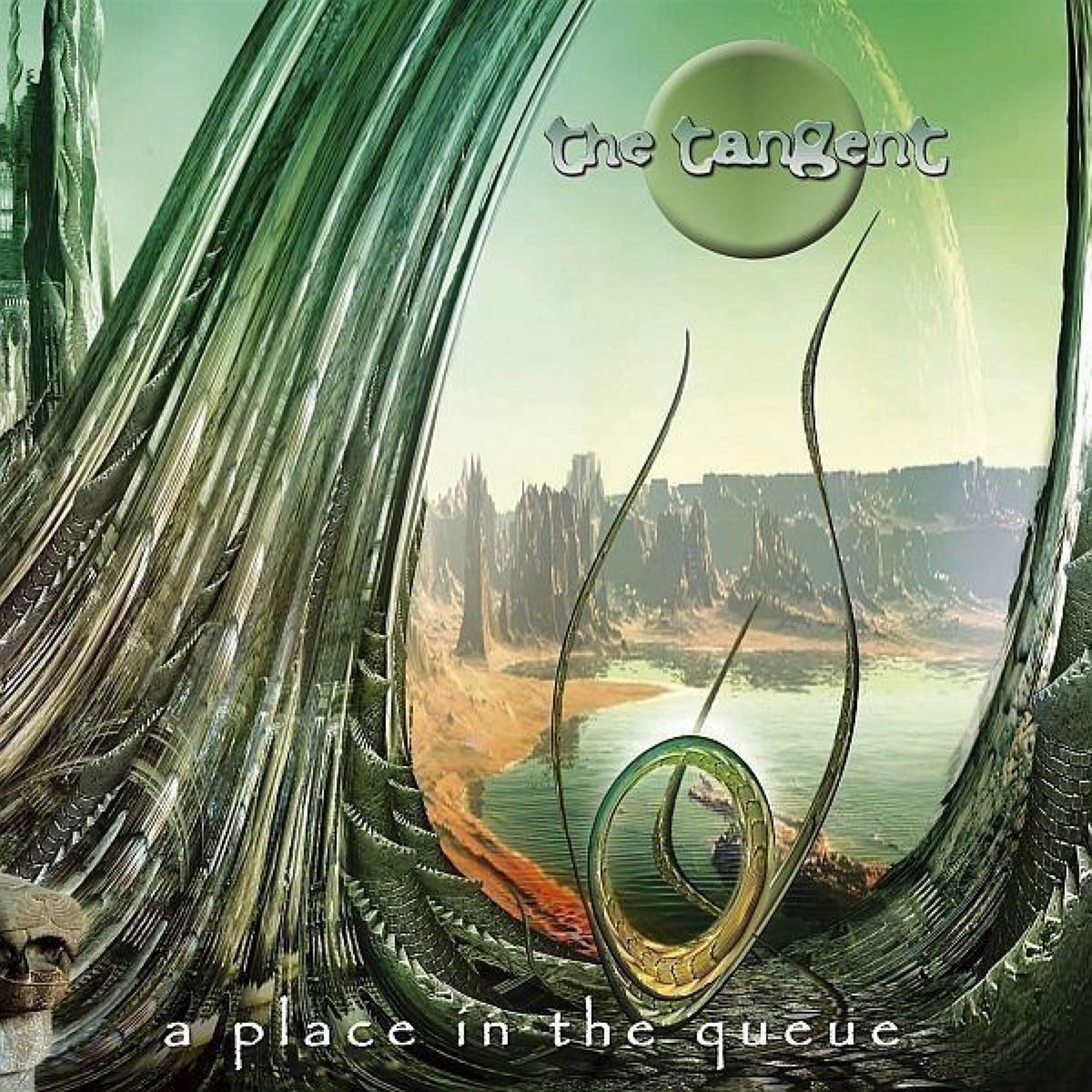
Bright and cheery – The Tangent’s A Place in the Queue has always had a soft spot in my heart. Not overly embellishing the progressive rock label, APitQ still manages to feature quite a bit without ever going “too prog.” Tastefully written and enjoyably produced, APitQ takes me on a wonderous progressive journey and brings a smile to my face each time.

31. Agalloch – Marrow of the Spirit (2010)
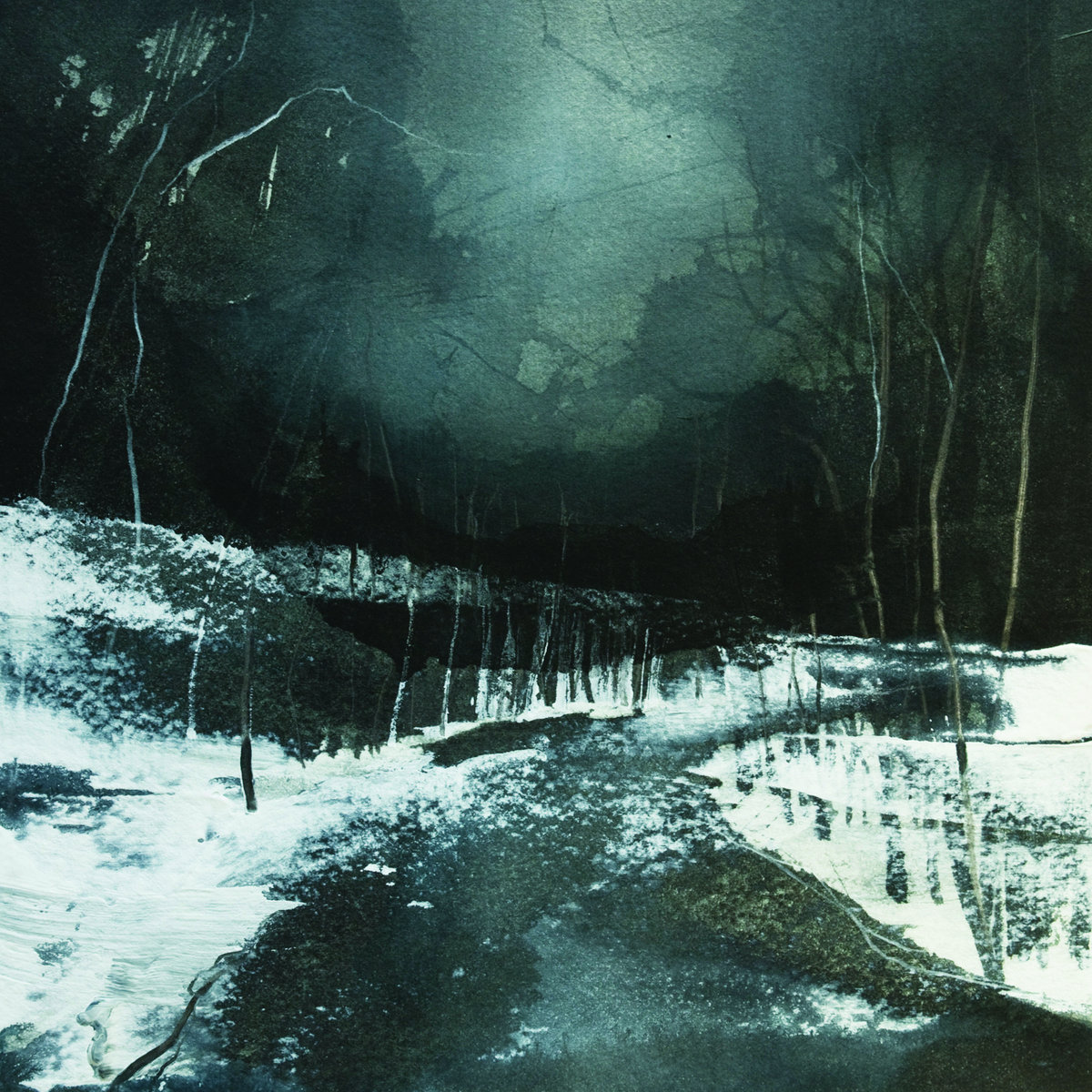
I’ll just say it now: this is the only Agalloch album on my list, folks. I appreciate The Mantle, Pale Folklore, and Of Stone, Wind, and Pillor, but Marrow of the Spirit has to be my favourite Agalloch album. If I went for “best album” list, yeah, maybe the three I listed would be ahead. Alas, Marrow of the Spirit is a favourite of mine due to its heavier shift into black and doom metal. More aggressive than previous releases, the more “natural” sound of the album, as well as the higher production, makes this album really stand out for me. That, and Black Lake Niðstång, of course.

30. Ozric Tentacles – Jurassic Shift (1993)
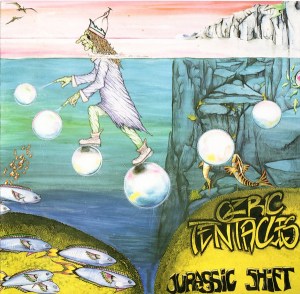
For their fourth album, Ozric Tentacles gave me what the album title actually was: a Jurassic Shift. Strange, almost-prehistoric feelings are captured on the album. There’s a lot of emotion with the instrumentation and the thought process behind the music is surely acknowledged. Songs like Pteranodon actually feel like the word, while Feng Shui is a brilliantly moody journey I love to go on. This album would be a trip on mind-altering substances.

29. Pain of Salvation – The Perfect Element Pt. 1 (2000)
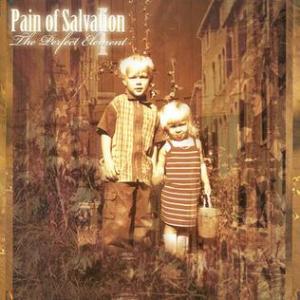
In their third concept album, Pain of Salvation’s TPE is a progressive metal journey exploring emotional landscapes and struggles of one’s self. While a lot of progressive concept albums seemed to focus on a particular story – and usually science-fiction – TPE is brought back to Earth and delved into the two individuals and their emotions. With musical crescendos and emotional weight, TPE came at a time for me when I was still developing my understanding for music. This album helped me get where I am today.

28. Gorguts – Obscura (1998)
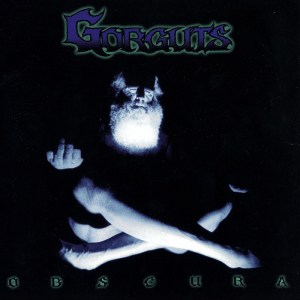
Obscura was one of my first forays into death metal. It’s muddy, dissonant guitars – the howling from LeMay – admittedly, this was a tough album to absorb at first. Nowadays, I spin it regularly. Technical achievements aside, every song feels like a movement: an orchestral piece that just happens to be using death metal as the backdrop. Obscura is just a very engaging album.

27. Anathema – A Fine Day to Exit (2001)
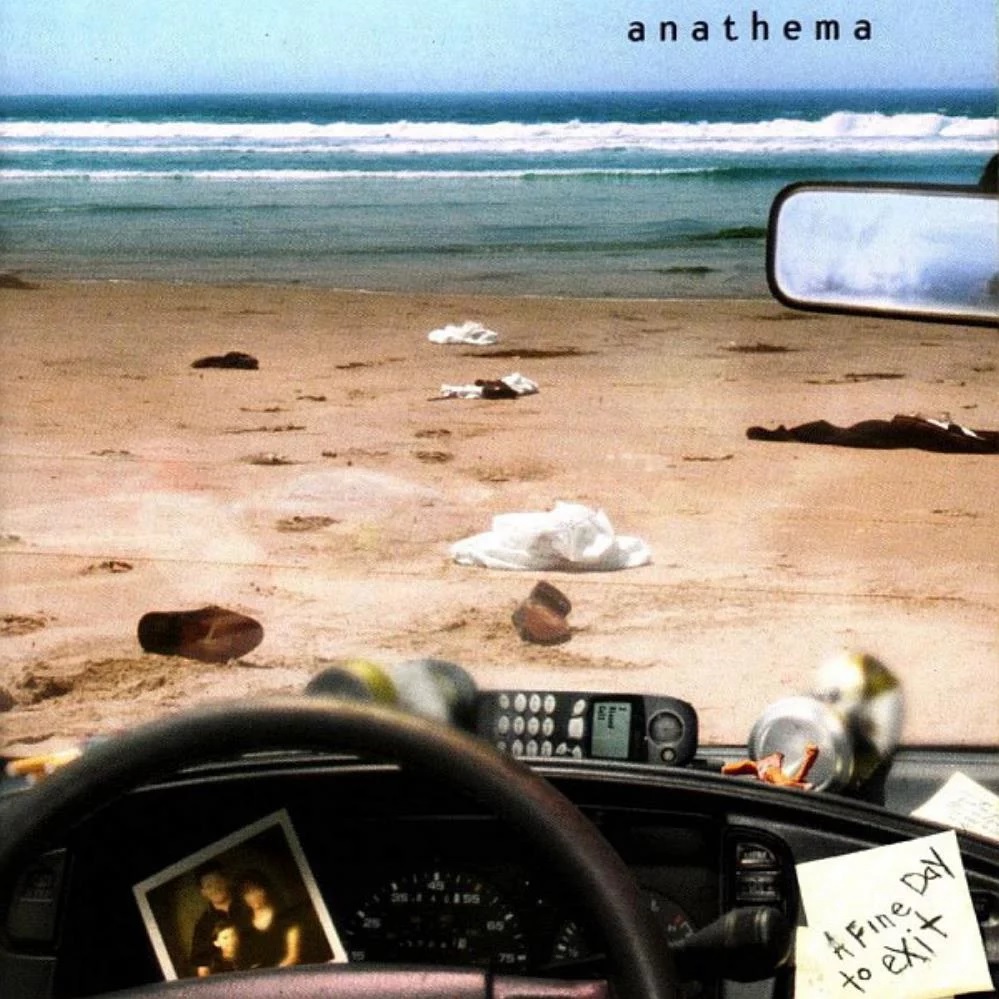
I could easily have every Anathema album in this list, but I had to keep myself from going overboard. A Fine Day to Exit resonates with me for many reasons – but primarily for its lyrical content. It strikes so close to home for me, every album spin is as if I’m having a friend over for a visit. With many songwriting credits going to drummer John Douglas, the stand-out song on the album has to go to Daniel Cavanagh with a personal favourite of mine, Temporary Peace.

26. Savatage – Hall of the Mountain King (1987)

Easily one of the most underrated heavy metal bands in existence, before Trans-Siberian Orchestra, there was Savatage. Hall of the Mountain King was, and still is, a master lesson in guitar technique and operatic song writing. With each song having their own unique feel to them, the album is still cohesive and ultimately one of the most powerful heavy metal albums on Earth. Each song is a blast to listen and sing along to, and quite frankly, this album always puts me in a great mood. Madness reigns, my friends.

25. Iron Maiden – The Number of the Beast (1982)
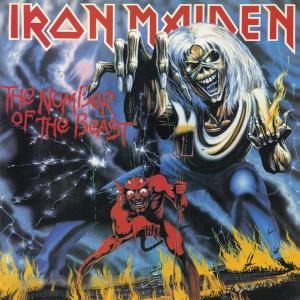
If there’s one quintessential heavy metal album on everyone’s list as “most important,” I’m sure Number of the Beast is in everyone’s top 10, if not 20. With so much literal power and strength behind this release, I literally can feel myself fill with adrenaline on each spin. For singer Bruce Dickinson’s debut – he comes out smashing. With major singles, Run to the Hills and The Number of the Beast, this album is always a good time.

24. The Gathering – Nighttime Birds (1997)
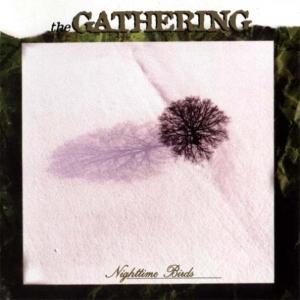
Dark. Moody. Gothic. All used to describe Nighttime Birds, but also to describe the massive presence of lead singer, Anneke van Giersbergen. From the haunting vocal harmonies in the title track, to the incredibly passionate The Earth is My Witness – The Gathering absolutely blow me away with this album. While I debated having both Mandylion and How to Measure a Planet? on this list, I felt Nighttime Birds was the strongest album for me on an emotional level. It needed to be singled out.

23. Frank Zappa – Roxy & Elsewhere (1974)
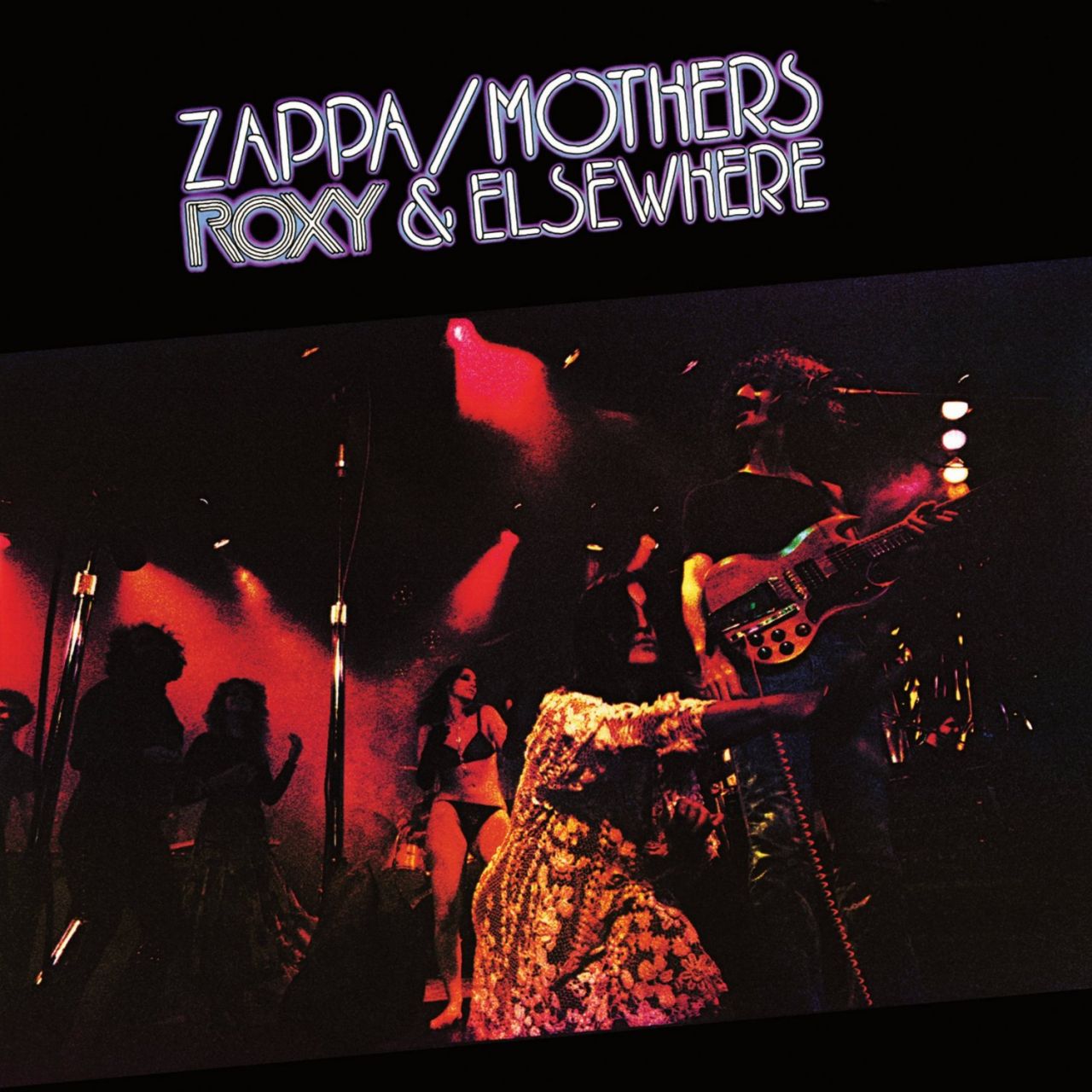
I honestly had always said this was my favourite Zappa album. Then I placed it on here versus the other album on my list, and quite frankly(!), I surprised myself. Roxy, however, is one of the most insane live albums I have ever heard. Recorded over four nights, the musicianship of The Mothers and Frank is astonishing. I listen to this regularly just to feel the music – to enjoy what was written – and to have a great time. You should do yourself a favour and grab a Blu-ray copy of the concert.

22. Wormrot – Hiss (2022)

In a league of its own – Wormrot’s Hiss is not only one of the best grindcore albums I’ve ever heard, but one of the best albums that’s ever been graced to my ears. I still regularly spin this album. It’s agressive and digestible myriad of genres brings auditory joy to my ears while still making me feel something. And if one is looking to feel, this album is chock-full of feelings – good, bad, happy, sad, and mad. It wouldn’t surprise me to see this album move up my list over time.

21. Triptykon – Melana Chasmata (2014)
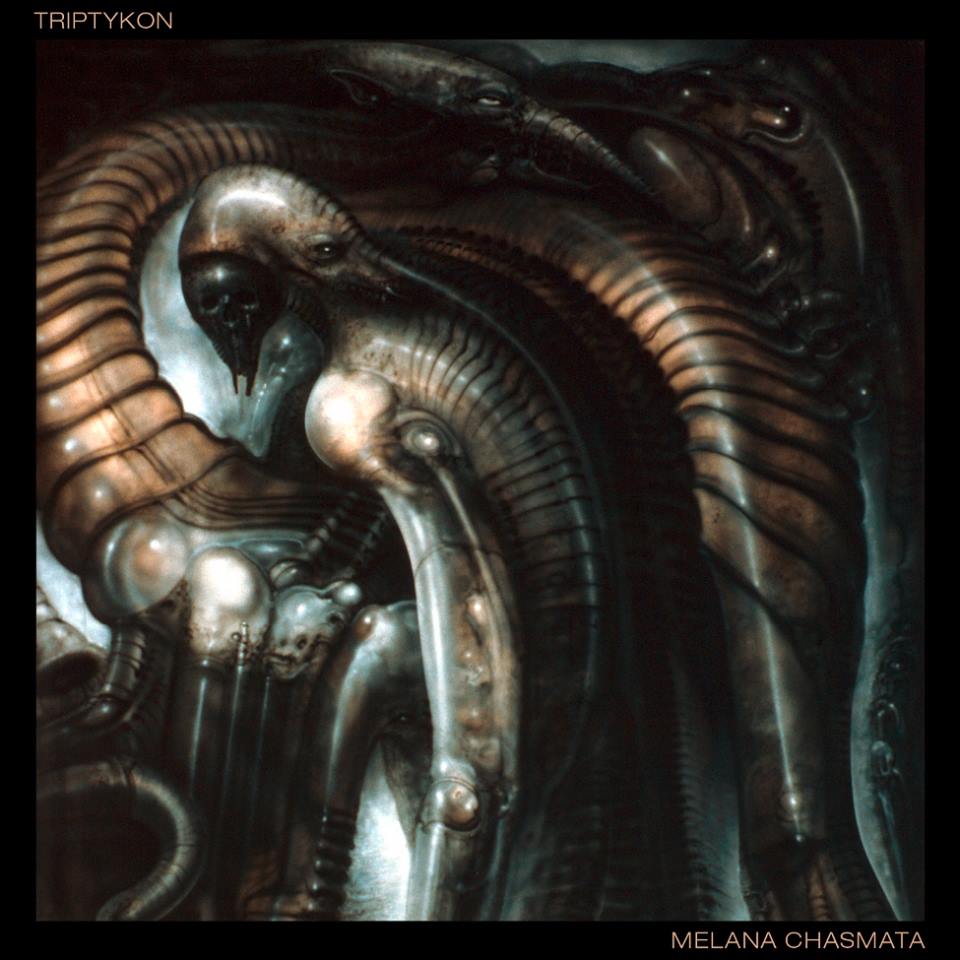
Like Celtic Frost, I appreciate Triptykon because of the raw ambition and emotion Tom G. Warrior brings to the band. Each song is a journey into both the extreme and despair; crushing and squeezing the feelings from your chest. From the brutality of the Tree of Suffocating Souls to the slow burning, haunting track Aurorae, Melana Chasmata is an extreme trip to go on.

20. Judas Priest – Painkiller (1990)
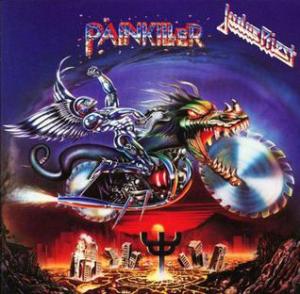
An overwhelmingly positive experience, Judas Priest’s twelfth album is easily one of the most aggressive ones the band had ever released. Still to this day, I spin this album and wonder how the band pulled Painkiller off after a series of lackluster albums. From front to back, Painkiller is ferocious with its screaming guitars and battering double kicks. Halford’s simply on another level on this album.

19. Camel – Mirage (1974)
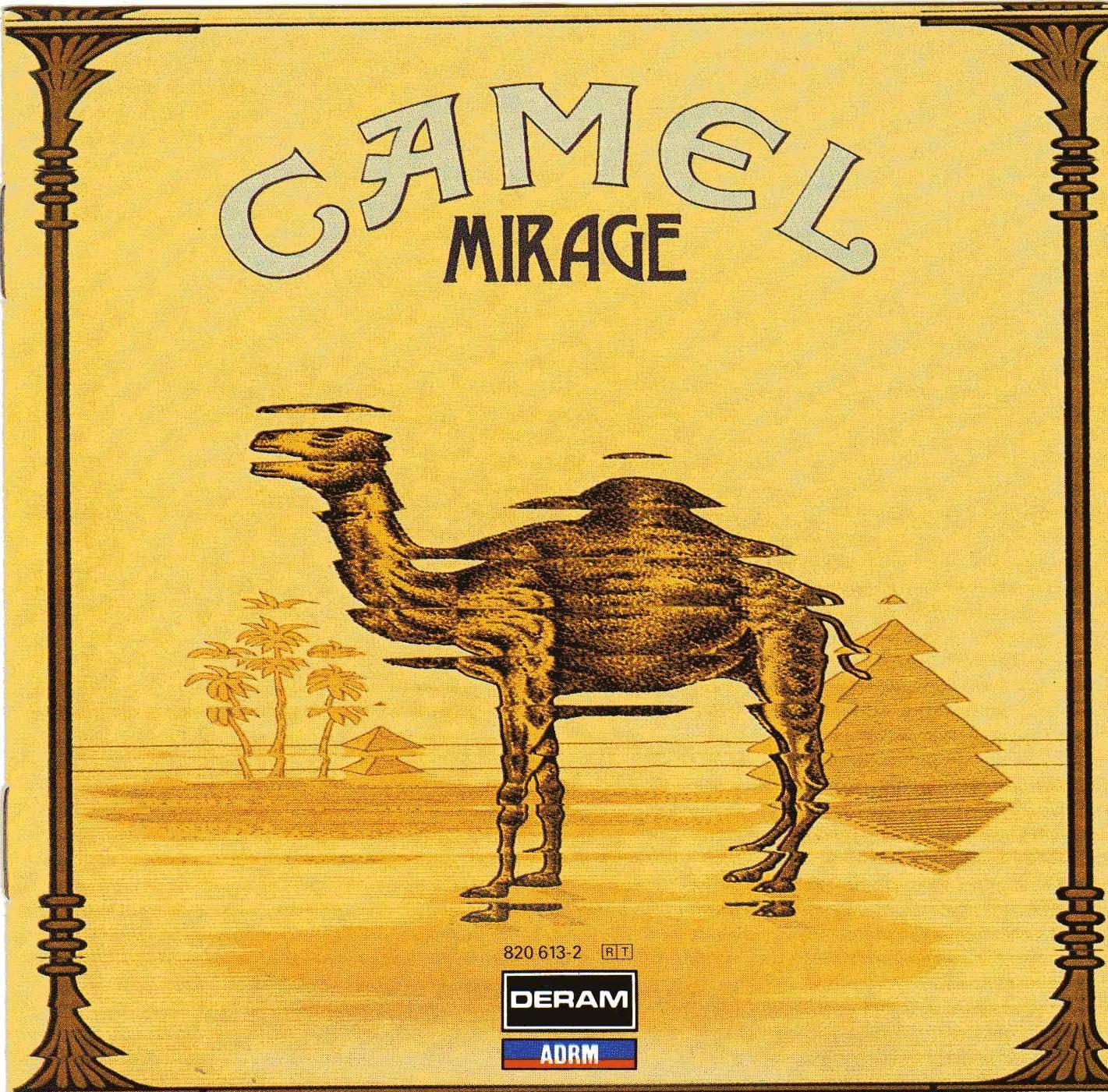
I hate how criminally underrated Camel are. With such a strong discography, especially with their 70s output, it boggles my mind. Both Camel and Yes were dramatically important to me in my early music years. Songs like Freefall and The Doors-inspired Lady Fantasy are awesome in their own right. But the meat and potatoes of this album are sandwiched in-between. Supertwister, The White Rider, and Earthrise are all entrancing tracks and a prog fan’s delight.

18. Green Carnation – The Acoustic Verses (2006)
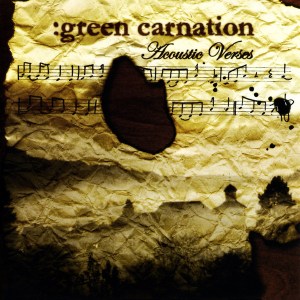
If there’s one album I’ve listened to the most, it’s Green Carnation’s The Acoustic Verses. The dark, progressive-acoustic tendencies are still something I haven’t heard on any other album. I listen to this album to feel “at home.” It’s simply a beautifully haunting album I that I love.

17. Steven Wilson – Hand. Cannot. Erase. (2015)
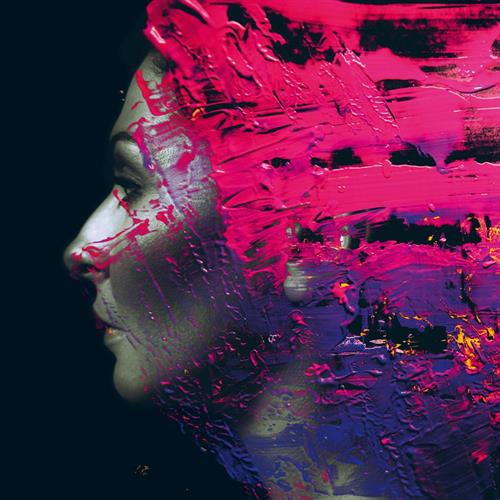
This touching, emotionally driven concept album blends both pop music and progressive rock together into a remarkably thought-provoking and honest piece of art. With guest vocalist Ninet Tayeb, Wilson evokes a wide assortment of feelings from the world he created. I appreciate the album for Wilson’s drive to not only to create it but for the new ground he broke with its release.

16. Iron Maiden – Powerslave (1984)
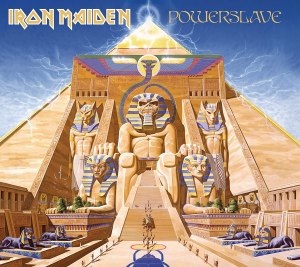
With some of the most memorable singles in the band’s catalogue (and arguably one of their worst songs from their 80s output – looking at you, Back in the Village), Powerslave is a monumental triumph. Featuring one of the band’s longest songs, Rime of the Ancient Mariner, the album has everything in the heavy metal genre one would want: flashy solos, incredible riffs, imaginative lyrics, powerful choruses – the list goes on and on. Powerslave is just so much fun and Iron Maiden makes sure you feel it.

15. Frank Zappa – Waka/Jawaka (1972)
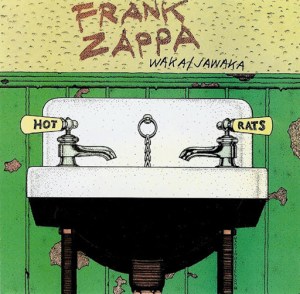
After getting pushed off the stage at a show in Germany, Zappa was confined to a wheelchair and couldn’t tour with a band. Instead, he went into writing orchestral arrangements, and holy smokes, I guess I love it more than Roxy & Elsewhere. With Waka/Jawaka, Zappa blends jazz fusion, progressive rock, and big band into some of the most elaborately strange, yet imaginative music of the man’s 70s output. Bookended with two awesome instrumentals, Waka/Jawaka is my go-to Zappa album because, well, I don’t know why! I just love it.

14. Porcupine Tree – Fear of a Blank Planet (2007)
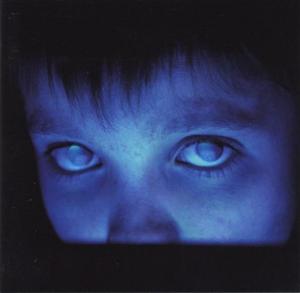
As one of the more modern concept albums on my list, Fear of a Blank Planet touches upon subjects which are still talked about today: society’s influence, drug use, mind-control, pharmaceuticals, depression, ADHD, and more. With the awesome musicians behind him, Steven Wilson knocks it out of the park with one of the most distinguished prog rock albums of the new millennium.

13. Celtic Frost – Monotheist (2006)
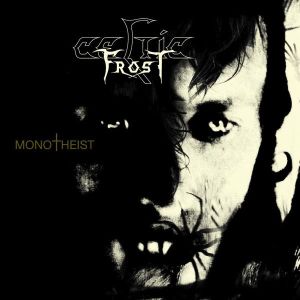
A widely celebrated return, Celtic Frost’s Monotheist was the band’s first album with Tom G. Warrior and Martin Eric Ain together since 1987’s Into the Pandemonium. The end result is not only one of the greatest returns in music, but one of the greatest extreme metal albums I’ve ever heard. There’s so much offered in this album, I could write about every track in great detail. Just listen to A Dying God Coming into Human Flesh and Domain of Decay.

12. Sólstafir – Svartir Sandar (2011)
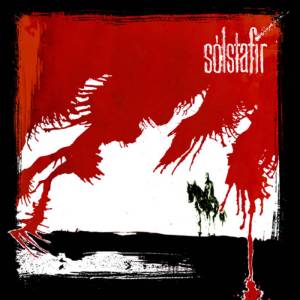
I cannot explain how Sólstafir’s fourth album, Svartir Sandar got to be so impactful in my life, but it did, and I don’t even understand the lyrics! Featuring an intriguing mix of metal and rock music, the Icelandic band managed to impress me with their double-disc release. Perhaps it’s the sounds the band creates with e-bows, or the fact that each song somehow feels like I’m outside in an open field in Iceland – Svartir Sandar is just a raw show of talent with an arguably minimalistic approach.

11. Megadeth – Rust in Peace (1990)
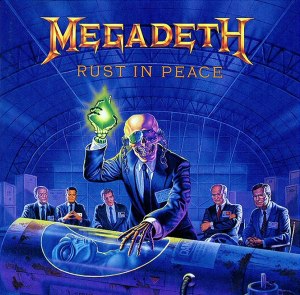
Hands-down one of the most important thrash metal albums in existence, Rust in Peace was on repeat for a good three to four years of my life. Featuring some of the greatest guitar work imaginable, Megadeth absolutely took the world by storm with this unrelenting thrash-fest. Both Dave Mustaine and Marty Friedman are mind-blowing on this album – especially in tracks Hangar 18, and a personal favourite, Tornado of Souls. Each spin of this album is like hearing it for the first time for me.

10. Savatage – Gutter Ballet (1989)

I didn’t know heavy metal could be so dramatic until Gutter Ballet graced my ears. With the raspy vocals of Jon Oliva and his brother, the untouchable Criss Oliva on guitar, Gutter Ballet is truly a masterpiece. The title track alone is worth the price of admission, but the album offers so much more. Catchy tunes like She’s in Love and Mentally Yours are standouts for Jon, but tracks like Of Rage and War and Silk and Steel show the awesome guitar work of Criss, a man still greatly missed in the world of music.

9/8. Anathema – Weather Systems (2012)
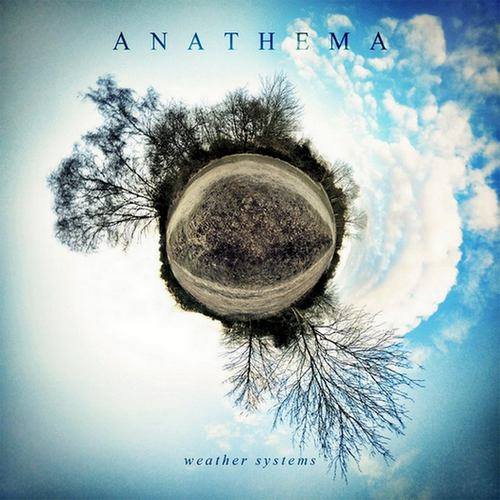
I’ve always said Weather Systems is a beautifully sad album. It’s uplifting, poetic, and sincere. It tugs at your heart-strings while giving you a giant hug. The wonderful emotional journey Anathema takes you on with Weather Systems is unparalleled to any other band out there. Sonically stunning, the band performs out of this world. An outstanding triumph, it’s one of the most comforting albums I have ever come across and I’m glad to have it in my life.

8/9. Triptykon – Eparistera Daimones (2010)
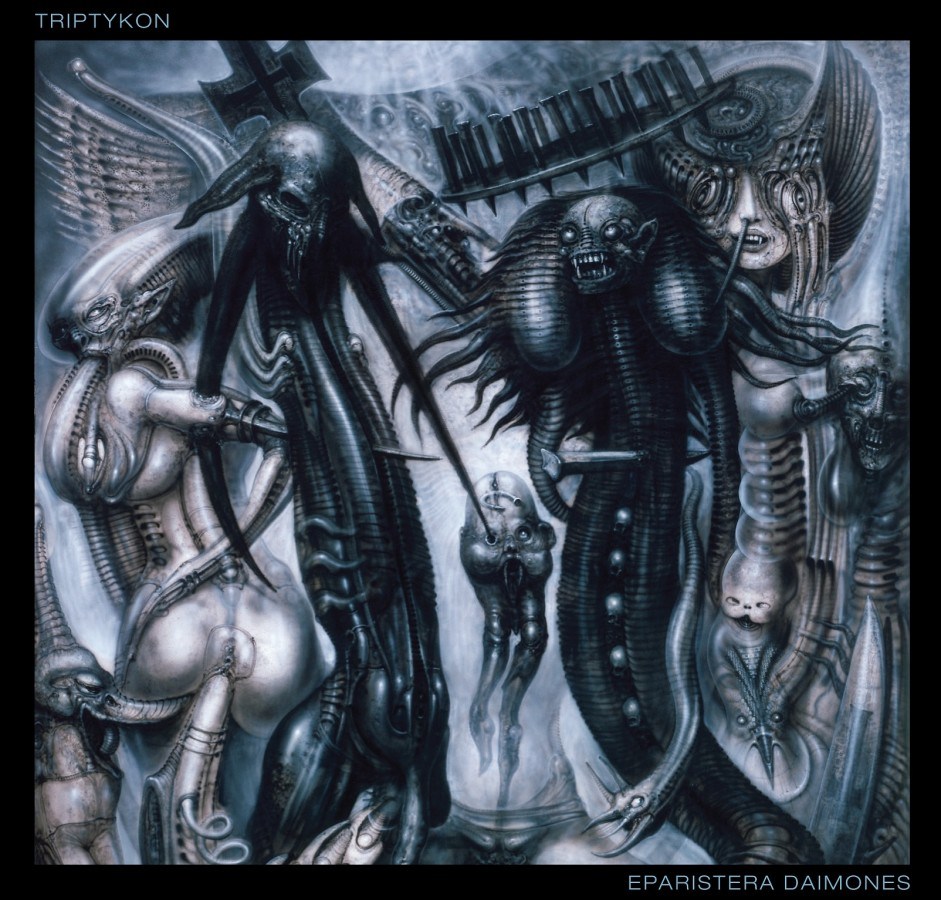
In contrast, there’s Eparistera Daimones, a beautifully angry album. It’s bleak, dark, and aggressive. It tugs at your heart-strings while keeping you at a distance. The brutally honest journey Triptykon takes you on with Eparistera Daimones is unparalleled to any other band out there. Unapologetically doused in pain, the band suffocates you with their lyrics. Purposefully damaged, it’s one of the most candid albums I have ever come across and I’m glad to have it in my life.

7. Kyuss – Blues for the Red Sun (1992)
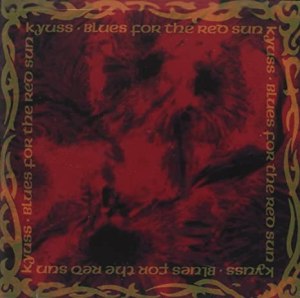
If you were to listen to any music I recorded from high school (which regrettably does exist), all of my bass guitar lines will sound like something out of a Kyuss album. To state how influential this album was to my music playing could never be emphasized enough. This metal/stoner rock blend is mixed with straight-forward tunes and some strangeness. Apothecaries Weight and Writhe stand out as exceptional songs, while other tracks like Caterpillar March and Freedom Run strike the stoner rock mantel. It’s an incredibly solid album which I would gladly take with me on any deserted island.

6. Yes – Close to the Edge (1972)
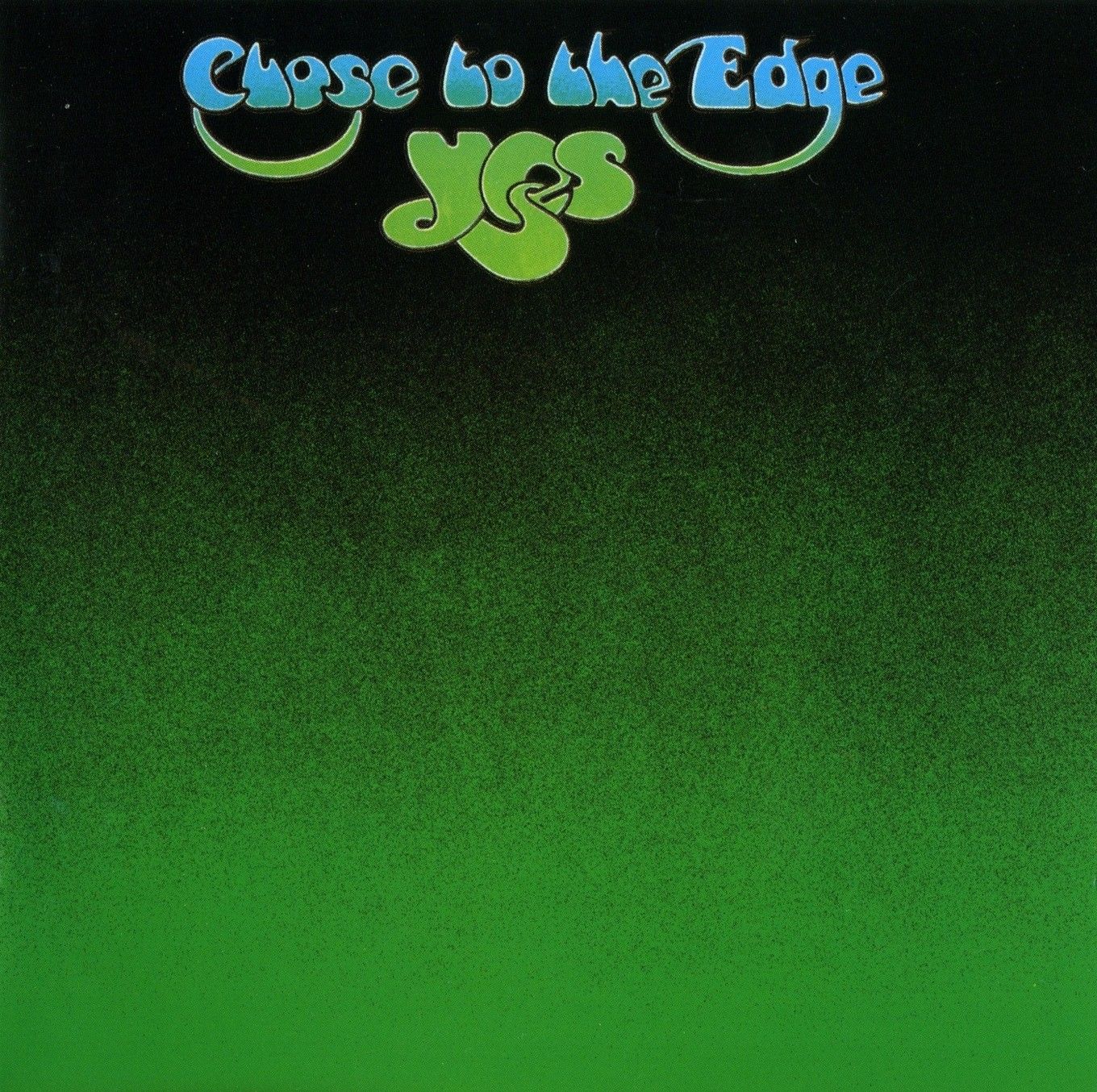
After the commercial success of Fragile with Roundabout, Yes released one of the most daunting albums in their career: Close to the Edge. With only three songs, this near-39-minute album solidified the band as progressive rock legends. All three songs have different meanings in my life and all three are some of the most uplifting songs I have ever heard. While the title track is most notable for its variations in music, it’s And You and I and Siberian Khatru which take the cake as personal favourites of mine.

5. King Crimson – Red (1974)
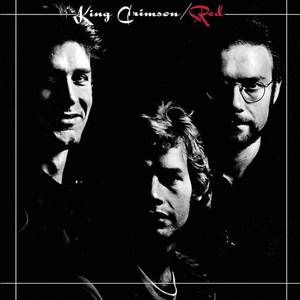
After Yes’ Close to the Edge, drummer Bill Bruford left the band to join King Crimson. On Red, King Crimson changed my life. Robert Fripp, John Wetton, and Bill Bruford completely altered my perspective of musical understanding with this album. The final track, Starless, is guaranteed to have me in goose bumps and shedding tears at its climax. Quick story: when I was in a recording studio back in 2007, I told the producer Red was one of my favourite albums. He told me he remembered it coming out when he was young. He said he was smoking weed and listening to the album – and he felt like he wanted to kill himself and he hadn’t listened to it since that day. His loss.

4. Carcass – Heartwork (1993)
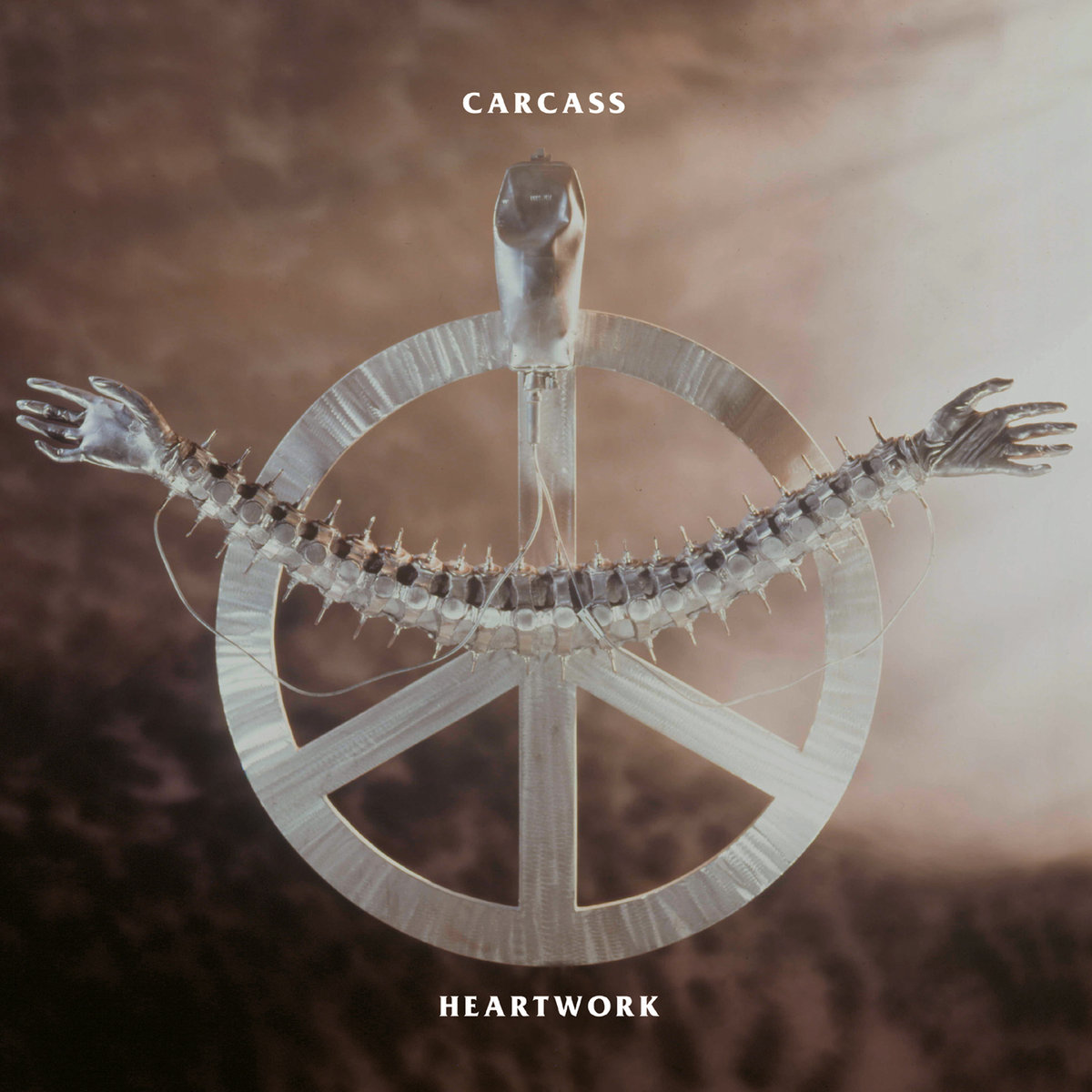
I didn’t realize heavy metal, let alone death metal, could be this melodic. Heartwork is an album I know from front to back and will blast in my car on a regular basis. It’s groovy, powerful, and drenched in brilliance. It’s arguably one of the best metal albums of all-time. For me, however, it impacted how I approach music – detuned guitars were suddenly possible; death metal could be polished and sound ferociously beautiful. The title track is a testament to that. However, other songs like the snare variations in No Love Lost, or the crunching guitars in the intro of Death Certificate showcase some of the more intricate ideas the album has to offer. Next to The Acoustic Verses, I think I’ve listened to Heartwork the most.

3. Yes – Fragile (1971)
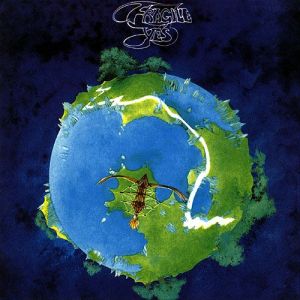
There’s a kind of magic captured on Fragile which makes it one of my favourite albums of all-time. The focus on strong songwriting and storytelling is nearly unmatched with Yes’ classic line up. The hit single Roundabout aside, proggy songs like South Side of the Sky, Long Distance Runaround, and Heart of the Sunrise showcase some of the best Yes has to offer in their whole catalogue. Yet Fragile also showcases the band members themselves – with five dedicated songs to each one of the musicians in the band. Mood for a Day continues to teach young guitarists fundamentals, while the vocally harmonious We Have Heaven has a reprise in the band’s 1999 album, The Ladder.

The thing about Fragile is that it flows in waves, being bright and cheery, down to moody, then back up again – all the while featuring awesome transitions between songs. South Side of the Sky and Heart of the Sunrise are two of Yes’ best tracks with incredible atmosphere created by their newly acquired keyboardist Rick Wakeman.

I’ve defaulted to Fragile more than once for a solid pick-me-up. Any time this album performs, I’m suddenly a different person – excited as if I’m hearing this album again for the first time. There’s nothing else quite like Yes, and there’s certainly nothing else similar to Fragile.

2. Green Carnation – Light of Day, Day of Darkness (2001)
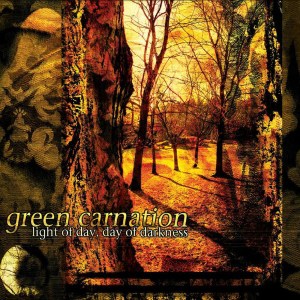
At just over one hour long, LoDDoD can be considered as a religious experience. I’ve been fortunate to see it performed in its entirety – and it is stunningly awesome. A mix of both doom and progressive metal, LoDDoD has been with me since the beginning of me delving into heavy metal music. There have been many bus trips in my youth where I would listen to this album on repeat; my go-to catharsis.

Although daunting to listen to, there’s much variation in the song. Powerful arrangements featuring stringed instruments, saxophone, and different vocalists, LoDDoD goes through so many powerful emotions to draw the listener in.

The album’s momentous effect on my life rarely gets talked about as I completely understand most people won’t give their time to absorb the intensity the album brings – it requires your complete attention and then asks for your thoughts when it’s done. This is an album that you either get, or you don’t. I’m happy it is a part of my life.

1. Devin Townsend – Terria (2001)
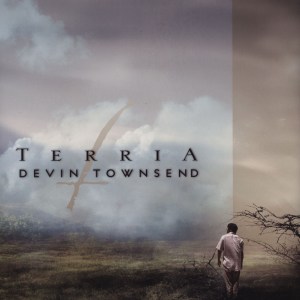
Simply put, Terria is my mind on paper. While I may not share the same personal experiences and hardships as Devin Townsend, I relate to every single one of the songs on the album – front to back. There’s a lot Terria offers, and I could easily write multiple essays on each song, but words could never truly express the connection I have with it.

Terria’s the album I’ve laughed along with the most, thought about the most, and cried along with the most. It’s the album which inspires me to write and perform. With Townsend’s signature “wall of sound” ever so present on the album, I regularly find myself hearing new things on an album I’ve listened to for nearly twenty years.

While the music is not nearly as polished compared to Townsend’s later work, he wore his heart on his sleeve with it. With the semi-goofiness of Earth Day, to the tongue-in-cheek Canada, or the deeply honest Nobody’s Here and Tiny Tears, Terria is both Devin’s and my emotions translated into musical form.

To the uninitiated, the album starts off as very jarring to take on. However, by Deep Peace, the album levels out. By the end, the album comes around full-circle and the jarring feeling is gone. It’s gone because it is understood by the end of the story. In that story, Townsend takes the listener’s hand and carries them along his mental journey. I offered this album my hand years ago and haven’t let go.
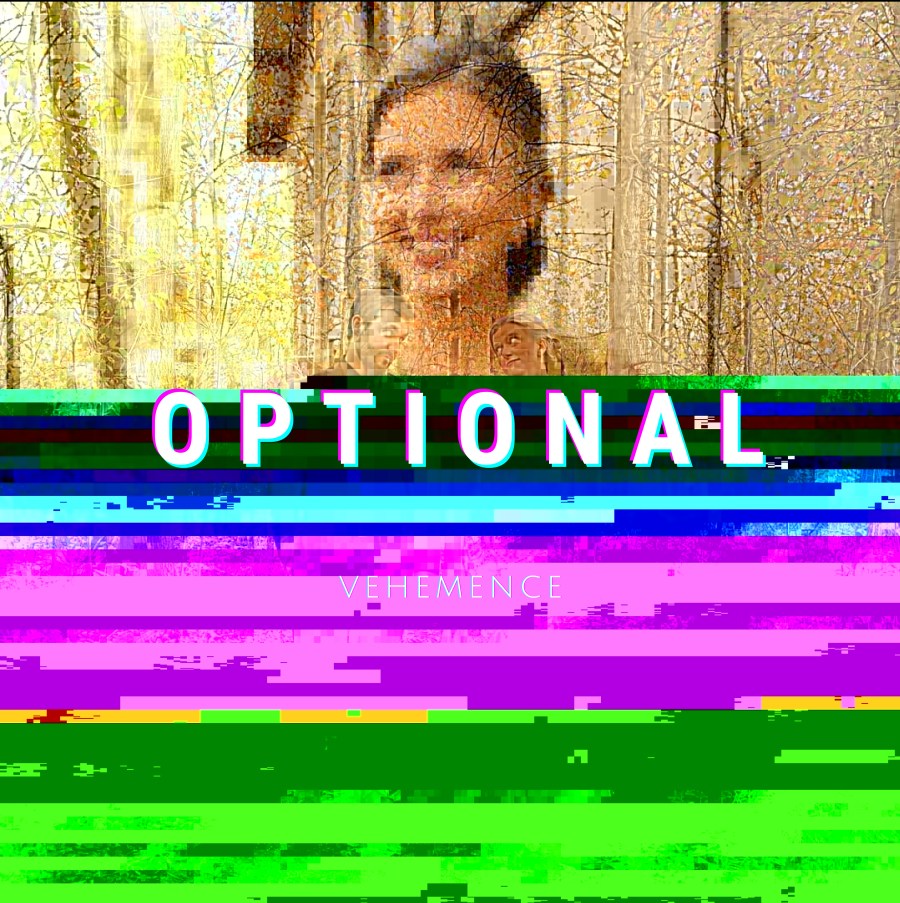
Optional – Vehemence EP

My debut EP, Vehemence, is now available on all of these fine platforms!

Spotify

Bandcamp

iTunes

Apple Music

Amazon

An audible experience is what I wanted to do with Vehemence. With varied approaches, the songs are hopefully able to really encapsulate the listener with the mood and atmosphere. The song titles, especially with the final track, Exhaustion, I hope, personifies what I was trying to accomplish.

The goal is to ultimately have you throw on your headphones and enjoy the 35-minute excursion.

From Bandcamp:

“With looming shutdowns in February 2020 due to the Coronavirus pandemic, the final few recordings for Optional’s debut LP could not be completed. Shuttered inside, Vehemence was born.

Named after the desire to produce more music, Vehemence is a teaser of things to come: ideas which could not be fully realized in the upcoming LP.

Put some headphones on, increase the bass, sit back and relax. You’re going on a journey.”

The Best Video Game Songs

Video games have been permanently ingrained into culture. I’m sure everyone can recite the first seven notes from Nintendo’s 1985 Super Mario Bros. or can remember the creepy yet hastily descending “doots” from Space Invaders.

While those songs are certainly memorable, I personally do not consider them to be “great.” What defines great? That’s a matter of personal preference. Do not let me tell you what to enjoy. However, this is my personal list of the Best Video Game Songs – NOT soundtracks – that I could come up with. In no particular order:

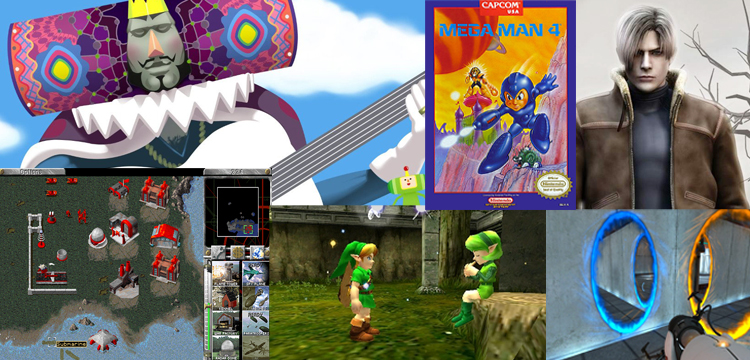
The Legend of Zelda: Ocarina of Time – Hyrule Field Main Theme (Nintendo 64 – 1998)

There’s two games that “blew me away” when it came to their open world. One game was The Elder Scrolls IV: Oblivion when you leave the prison (you folks know what I’m talking about). But the first game that really impressed me was The Legend of Zelda: Ocarina of Time. One reason was because I had never played a video game like it before. The other reason was because of the incredible theme that accompanied the first appearance of this “open world.” The field of Hyrule was my playground, filled with places to explore and had danger afoot. The music manages to encapsulate the feelings of wonder and excitement of exploring.

Mega Man 4 – Dive Man (NES – 1991)

With such a wide arrangement of Mega Man games to choose from, why Dive Man’s stage? Dive Man’s underwater level hits a few points home: the low bass tones emphasize the deep water within the level. The lead MIDI has a bit of a strange ring to it when it peaks, suggesting to me the villainy behind the level. The song also builds up and builds down both flawlessly and seamlessly. I could hear the song play for hours and not expect an “ending” per se, from it. It’s one of the few Mega Man songs that will pop into my head from time to time and really make me want to hop back onto my NES and lose an hour in the game.

Command & Conquer: Red Alert – Hell March (PC – 1996)

Some people may say Metallica was their first encounter with heavy metal music. But if you lived in a shell like I did, you either first heard it from Doom or Command & Conquer: Red Alert. The Hell March is a literal staple in video gaming. The sluggish, hefty bass riff leads the charge (or march) with a steady 4/4 drum beat and distorted guitars. Verses, while mostly simple chugging riffs, evoke thoughts of the battles between a Mammoth Tank vs. a Tesla Coil, or attack dogs mauling down an enemy spy. The theme was updated in both sequels of the game, but there’s a simplistic nostalgia from the original theme that cannot be replicated.

Homeworld – The Beginning and the End (PC – 1999)

Homeworld is widely regarded as having one of the greatest soundtracks for a video game. As one of the first songs in the game, The Beginning and the End, brings me sheer bliss. This real-time space strategy game introduced a full X, Y, and Z axis to gaming – a feat for its time. Composer Paul Ruskay managed to create a brilliant track to get the user familiar with the gameplay mechanics. The peaceful song not only keeps the player cool during the tutorial, but also establishes the true vastness the game brought – you’re in space after all! This song has been on repeat at my home for years as its calming effects are trance-like. It is hands-down one of my favourite songs ever.

Stardew Valley – A Flicker in the Deep (PC, Switch, PS4, Android – 2016)

It’s short, it’s sweet, and it’s my favourite song the soundtrack has to offer. In its wide variety of moods, from seasonal themes, to battles, A Flicker in the Deep brings a sort of joy which I feel isn’t captured in any other song in the game. While it may be one of the shortest songs on my list, it’s certainly one of the most impactful ones.

Pokemon Red/Blue – Viridian City (Game Boy – 1998 US)

If there’s one song that always stood out for me, it’s the Viridian City theme from the original Pokemon games. Why? It kind of has a double meaning: at first, you enter Viridian City to get started on your journey. It’s the first major place you visit and get a feel for the game. It’s your established “base” until you make your way to the next city. However, Viridian City is also your LAST city in the game. You beat Team Rocket there and you make your way to the Pokemon League. The music, somehow, is nostalgic even while you’re in the game for the first time. It’s the first song to see you off, and the last song to see you go. With it’s peaks and relatively calming presence, it’s always cheering for you.

Terminal Velocity – Ymir Theme (PC – 1995)

3D Realms, folks. The original Duke Nukem, Blake Stone, Wacky Wheels, and more came from this company. Yet most people haven’t heard of the 3D flight simulation shooter, Terminal Velocity – which is okay! Let me bring you up to speed: you’re a ship and you shoot things. Now that we’ve got that out of the way, Ymir’s Theme, from level one, somehow made the gameplay feel a lot more epic than it actually was. With the heavy synth rising and falling over the industrial beats, you ended up listening to the loop multiple times in the level as you struggled to find where to go. To this day, the synths will make their appearance into my mind and I’ll just want to drop everything and shoot some tanks.

FTL: Faster Than Light – Milky Way (PC – 2012)

Whether you’re battling the rebels or making your next jump through space, FTL’s music is all something to awe over. However, Milky Way has a very calming, yet action-packed feel to it. The revving arpeggios from the beginning of the song continue throughout and end up becoming the background as lead instruments take over. The song is eerily simplistic, but rich with depth and lots of layers. A beautiful song.

Left 4 Dead – Tank Theme (PC, Xbox 360 – 2008)

I’ve spent many hours (days, even) playing L4D (Hi, Cherish and Andrew!) While it’s a short theme, you don’t even need to see the Tank coming to feel a sense of dread. The music does it for you. Operatic and booming, the Tank theme from Left 4 Dead, a “zombie” shooting game, absolutely strikes fear into the players. The main reason being: no one knows where the Tank, a super-strong Hulk-like “zombie,” is coming from. Valve built L4D as a game with no real “script,” meaning things don’t happen in an order – everything is randomized. A Tank can appear wherever. As such, it’s the music which really triggers the anxiety in the player – beginning you let the player fear what they cannot see.

Silent Hill – Silent Hill Theme (PlayStation – 1999)

Can anyone name me a song that’s both creepier and beautiful at the same time? I don’t think I need to say much about this one. It’s a classic. With traditional instrumentation and 90s synth, it’s an absolute wonder.

Resident Evil 4 – Echo in the Night (GameCube – 2005)

I may be biased, but Resident Evil 4 my favourite game in the series (I know, right? Please don’t fight me on it). As the game got drearier and darker, this theme played and wow. What a treat. The eerie, echoing howl right off the bat. The moody, dark tones in the background. Is that talking in the background or are my ears playing tricks on me? It’s an incredibly sinister song that is riddled with atmosphere.

Kirby’s Dream Land – Green Greens (Game Boy – 1992)

Kirby, man. What a guy (thing?) The song, Green Greens from the first stage is somehow playful, yet action-packed. It features a memorable lead that has an interesting twinge with it – enough to make it unique and stand out from other songs in the game.

https://www.youtube.com/watch?v=OCH6nQYflwY&list=PLC654C8FD7FC89851&index=2

Doom – At Doom’s Gate (PC – 1993)

Doom. Level One. You already know the song. Forget the Metallica influence. What can be said about At Doom’s Gate that hasn’t already been said? It perfectly captures the intensity, violence, gore, and speed which Doom is known for. A great heavy metal thrill ride, the loop of the song doesn’t feel exhausting nor does it begin to sound boring. As long as there’s bad guys to shoot, give me hell.

Portal – Still Alive (PC, PS3, Xbox 360 – 2007)

The end theme to Portal, the triumphant and hilarious song both wraps up the game and teases a future. It’s a painfully simplistic song, but it’s the lyrics and singing which certainly makes it standout – and original.

Katamari Damacy – Katamari on the Rocks (PS2 – 2004)

If someone were to ask me “What’s Katamari about?” I’d tell them, “You roll stuff up” and then play this track and walk away. That’s because I feel this song perfectly summarizes the enjoyment and amazement of the game. A joyful theme, it has enough strange in it to intrigue the listener to want to play. Great instrumentation, percussion, and singing, the song – and the soundtrack – puts a smile on my face. “La la la la la Katamari Damacy.”

https://www.youtube.com/watch?v=EhKMDjfToEc

Gunstar Heroes – Opening Theme (SEGA – 1993)

A triumphant opening to an arcade classic. Gunstar Heroes’ opening theme quickly fades into a grandiose anthem. With the spinning logo, the amount of sheer excitement one feels before pressing “start” cannot be ignored. The rest of the game’s music is great too, but the intro certainly takes the cake.

https://www.youtube.com/watch?v=L8Azf_48jew&list=PLC6F6CE303E8E336D&index=1

X-Men 2: Clone Wars – Sentinel Complex (SEGA – 1995)

The crushing bass groove, technological babble in the background, and screeching metal throughout makes this song both original and powerful. When matched with the hefty bass sounds from the attacks in the game, it almost feels as if it’s part of the action. While this beast of a game was memorable for being a challenge for a lot of kids, I’m certain this song is memorable for the riffs within it.

https://www.youtube.com/watch?v=FZ5BNxcQpqQ

Honorable mentions:

Sable Theme (PC – TBD)

There’s not much to be said yet about Sable. It’s an adventure game which is heavily influenced by the artist Mœbius. The song, Glider, is an original song written by Japanese Breakfast for the trailer. While there’s still no release date for the game, the song seems to at least capture the feeling of it.

Fallout 3 – Bob Crosby and the Bobcats – Way Back Home (PC, PS3, Xbox 360 – 2008, Bob Crosby – 1951)

While technically not a song from a game, the folks at Bethesda wanted to really make this post-apocalyptic world feel apocalyptic. How so? Digital music didn’t survive the nuclear fallout, only vinyl did. Crosby’s song somehow, ironically, manages to summarize the Fallout game perfectly.

Chrono Cross – Time’s Scar (PlayStation – 2000 US)

I asked my brother what he felt were some of the best songs. He gave me this from Chrono Cross. Holy smokes, it’s great. The peaceful and calming music picks up after a minute and absolutely rocks. Taking advantage of the PlayStation’s higher audio capability, composer Yasunori Mitsuda knocks it out of the park. What a treat.

https://www.youtube.com/watch?v=J46RY4PU8a8

And that’s it!

Thoughts? Questions? Concerns? Did I miss a game? Is there something I should reconsider? Let me know in the comments below, or follow me on social media.

Poking Holes at Star Wars: The Rise of Skywalker

The trilogy no one necessarily wanted finally came to its conclusion last weekend, finally wrapping up something that was “42 years in the making.” If that were truly the case, certainly they could have figured out the glaring plot holes over that length of time.

Alas. We have been given Star Wars: The Rise of Skywalker (TRoS). It should be noted that director JJ Abrams, who also co-wrote the film, didn’t have Lawrence Kasdan on board – one of the OG Star Wars writers who helped him with The Force Awakens. I should also just note Kasdan didn’t co-write The Last Jedi either. Not like any of that matters because – spoiler alert – The Last Jedi was essentially retconned TRoS.

If you don’t want to be spoiled, stop reading now.

I’m not entirely sure where to start. On one hand, I did enjoy TRoS because it had a story: a beginning, middle, and end. Unlike The Last Jedi, I disliked it predominately because the status quo didn’t change – nothing happened. There wasn’t so much a story as it was a visually stunning film. TRoS does take the story, ultimately the one from The Force Awakens (minus Snoke) and replaces it with Emperor Palpatine. Aside from that, nothing much else has changed from The Force Awakens, save for Han Solo being dead and no one was looking for Luke Skywalker anymore (also dead).

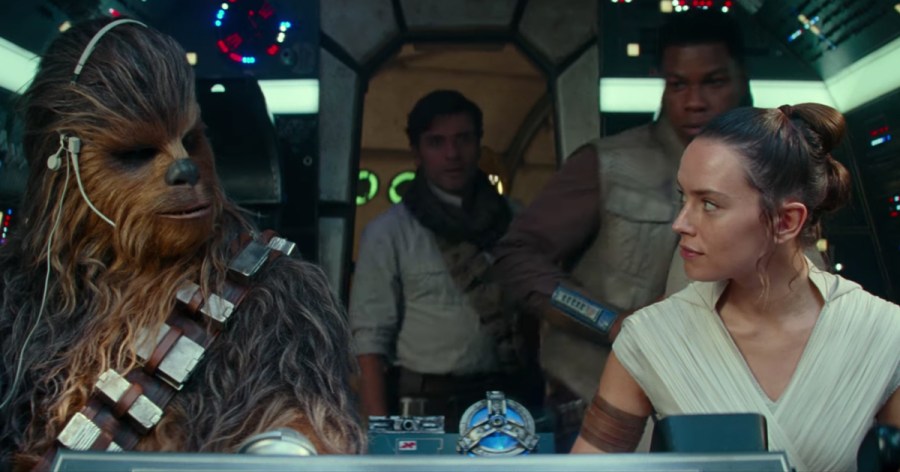
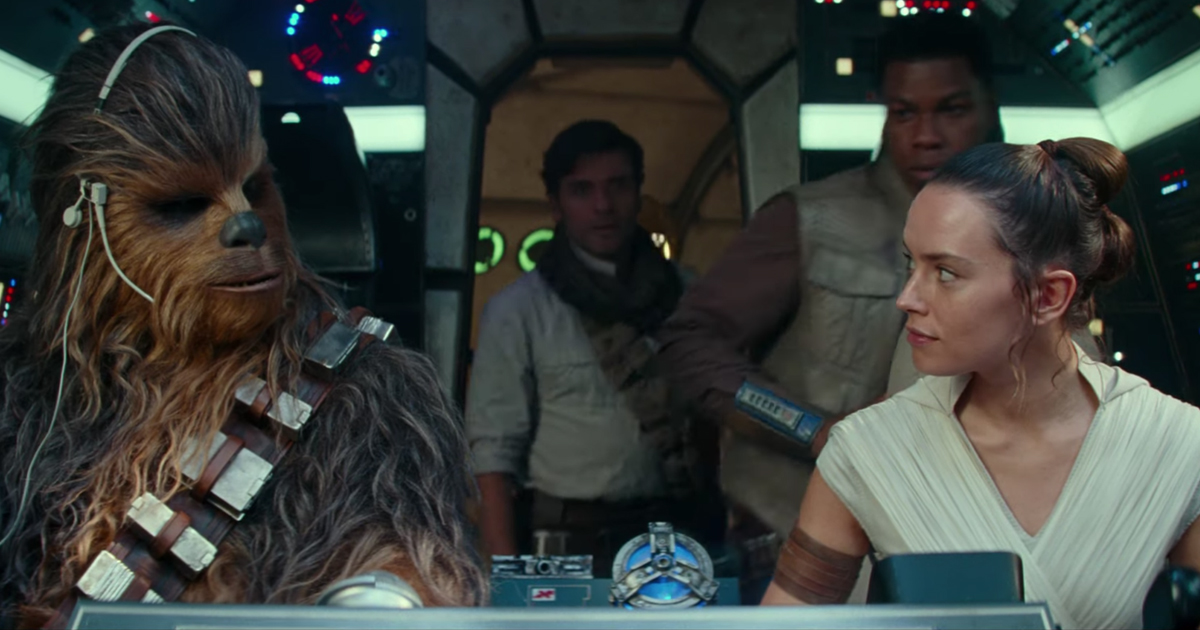
Our heroes: together again. . . for the first time.

There’s a lot of stuff going on in TRoS. A lot of the film does wrap up the overall story quite well: we learn the history of Rey’s parents, we learn where Snoke came from. . . and that’s about it. Maybe some part of it was my own failed expectations, or some of it was people setting bar too high, but TRoS’s “reveals” were all pretty lack-luster. For example, I feel my argument for Rey being a clone, while I would have expected it, would have also been far better than what was provided (in my opinion, of course).

So let’s take apart what happened in the film and critique it to death – because hot-damn, that’s what us fans of Star Wars do, no? I’ll break these up into four sections: The Bad, The Strange, The Good, and The Borrowed.

The Bad

When the trailer dropped and Emperor Palpatine laughed at the end, I’ll admit I got chills. I was excited because Palps was back! It was a kind of confirmation that he was still “pulling the strings.” Lots of theories kicked around such as Snoke being a failed clone of Palpatine and that Palp’s spirit was living on a la the style of Exar Kun. But a physical body? That was a surprise.

Within moments of the opening scroll of the film, “The dead speak!” is read. Palpatine was inexplicably back, according to the opening scroll. We see Kylo Ren inevitably finding Palp within the first five minutes and then exposition central begins. Palpatine was hooked up to a machine and. . . he did survive the Death Star explosion somehow. Somehow, because we don’t really know anything nor is it explained fully. It is somewhat implied he’s a cloned body (with the cloning stuff around him), or that he was revived learning from his teachings of Darth Plagueis, but it really makes little sense. It’s a bad reveal as it’s never truly explained. To top it off, there were really no explanation for how he built his army, who was building it, and well, everything about him. It felt like a convoluted mess and we were only five minutes in.

In two lines, we finally get Snoke’s explanation: he was created by the Emperor through cloning and ancient Sith rituals on Exegol. But why? We don’t know. Why were there more Snokes? We don’t know. Why not have Snoke come back again after he died the first time? Who knows! Why didn’t the Emperor come back himself and rally his troops? None of it is explained. While I’m sure one could theory-craft an explanation together, at face-value there’s nothing but questions.

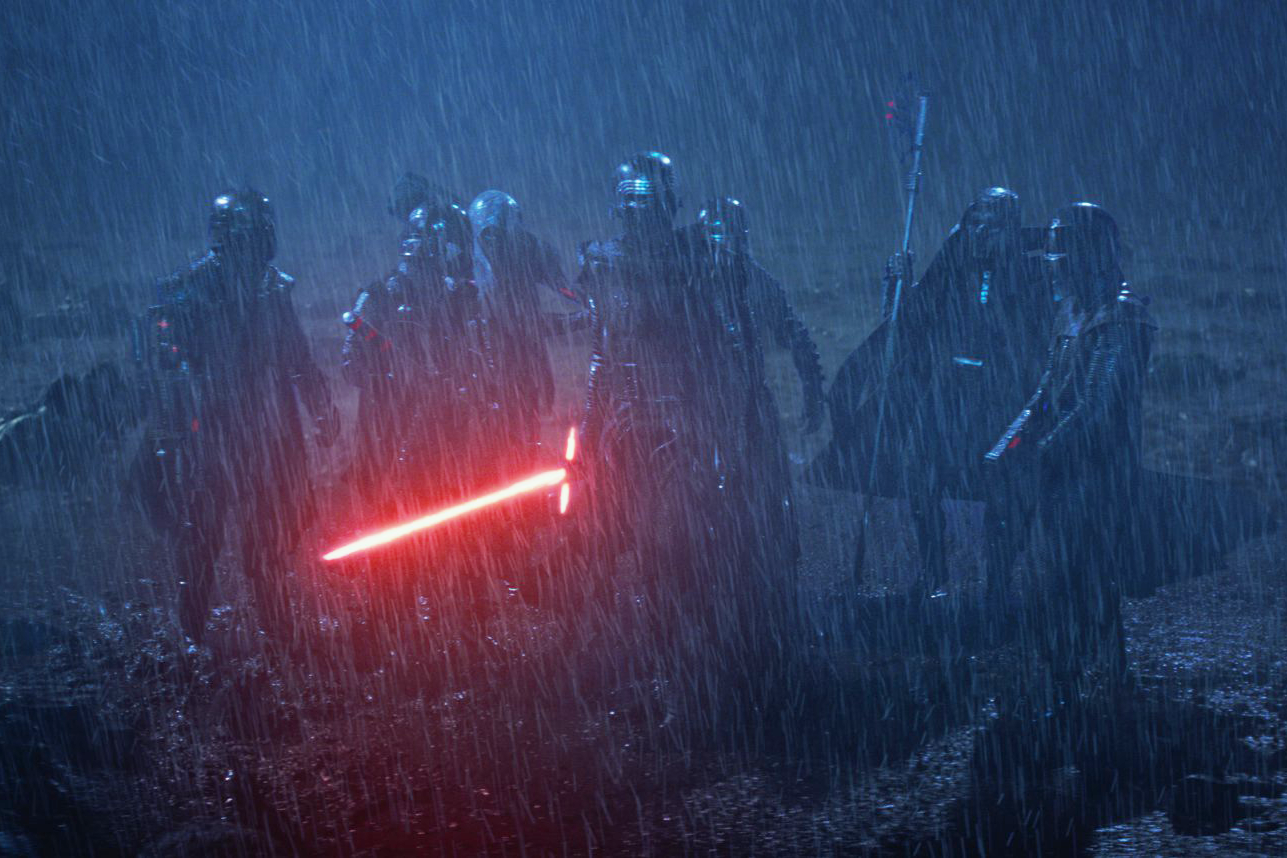
In line with that, the rise of the First Order is still never explained. Neither are the Knights of Ren, who were utterly useless in the film. They consistently lose track of the heroes and had no purpose the film. It’s as if they were invented in The Force Awakens then suddenly were forgotten until TRoS. Who were they? Why were they at Luke’s Jedi temple? Were they old students of Lukes? If they were ex-Jedi, why didn’t they use Force powers or lightsabers? Why were they so incompetent? What was their purpose in the film outside of selling more action figures?

From The Force Awakens until now, the Knights of Ren are still inexplicable.

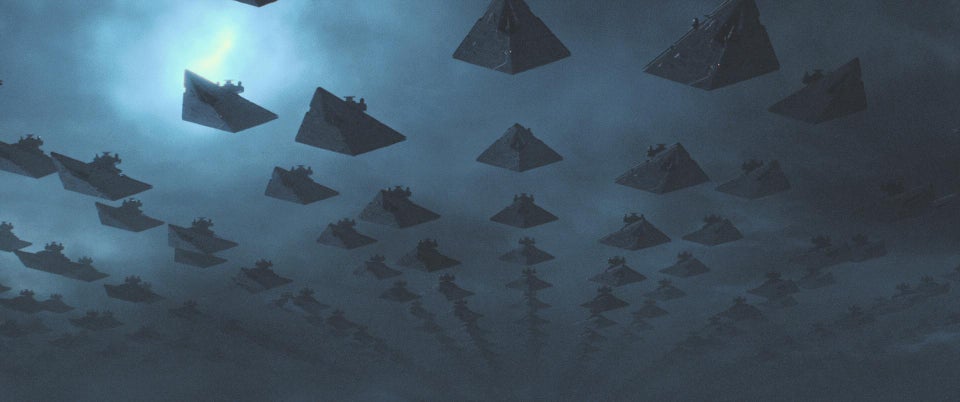
Speaking of inexplicable things, let’s talk about super weapons: A New Hope had the Death Star. Return of the Jedi had a bigger Death Star. The Force Awakens was criticized for having an even BIGGER Death Star. So where can one go from there? Why, a fleet of Star Destroyers that have Death Star weapons on them, of course! Silly concepts like that happen when story ideas get written into a corner: they had already done the “biggest baddest thing” two movies ago and had to up the ante, a la Return of the Jedi. Logic (for a fantasy film) be damned, the threat has to feel higher or else there would be no dilemma for the heroes. As if a fleet of Star Destroyers wasn’t enough, of course they had to have planet killing weapons added because where else could they go after The Force Awakens? Like the Knights of Ren, it was unfortunate what happened in TRoS because the film had to ultimately try and deal with its impossible expectations and build an even bigger threat. The Emperor’s return as an old man simply wasn’t enough. The idea was so far fetched that a lot of my friends and folks on the internet even felt the appearance of the large Star Destroyer army in the movie trailer “had to be a dream.” Nope. They were legit in the movie.

Taking a step away from the Empire/First Order for a moment, General Leia died, yet Poe was second in command? Where on Earth did this come from? In The Last Jedi he was such a complete douche. His rise in rank seemed not only improbable, but didn’t make any sense. There was no character building for Poe in the film – he went from being a cocky sonuvagun to becoming the one in charge. Poe’s promotion wasn’t earned or deserved. The last time we saw him try a mutiny in The Last Jedi, he had to do it solo because no one else could trust him, nor he anyone else. Then, because TRoS only had one other character to work with, Poe made Finn a General as well. Suddenly the two young kids who have had little development in The Last Jedi are running the Resistance (and it is still not explained why the Resistance exists in the first place). The kicker about Poe and Finn’s promotion? General Lando Calrissian was with them the whole time. Why did the young blood get to take over instead of someone who had experience? Also, why was Poe being a spice runner bad? Nothing is properly established.

All three main characters: Rey, Poe, and Finn, act as if they are best friends. They act like they all have some sort of history together, like Luke, Han, and Leia. In reality, Finn and Poe know each other, but Rey never really met Poe until the END of The Last Jedi. It’s undetermined how much time is between The Last Jedi and TRoS, but we can assume not much has passed since the Resistance still believes they’re on their own against the First Order. Their first outing to the desert planet of Pasaana is the first time we see all three of them together and doing something rather than moping around like at the end of The Last Jedi. Unlike in the original trilogy, or even in the prequel trilogy, the character building in this series failed the viewers. I didn’t care about their relationships, where they came from, or what they did, because I had been given no connection to them. Hell, even Johnny Rico, Carmen Ibanez, and Carl Jenkins from the Starship Troopers film have a richer history than the three heroes in this film.

What’s bigger than one big gun? Hundreds of big guns!

I must ask: why did this trilogy have to happen? I mean, if everything was being conducted by Emperor Palpatine, why did he do what he did? Why let the First Order rise without him as he hid in the shadows? Why let Rey run free for so many years when you were entirely capable of finding her yourself? I’m sure the easy answer would be because of Palpatine’s pride and ego: Luke once did say to him, “Your overconfidence is your weakness,” yet his overconfidence didn’t make any sense. He literally had everything and decided to bide his time rather than take everything back. Patience does not equate to overconfidence. If I try to think any deeper about it, it makes my head spin. However, it just feels that the last two films were a almost unnecessary because TRoS sort of tosses each of them aside to create a “new world” for itself. It’s both frustrating and strange.

The Strange

Emperor Palpatine had a son! (or daughter?) His kid had a kid! It was Rey! Rey is Palpatine’s granddaughter! Yet no one knew about this? Who was the mother? Was his son normal then? Did he not have Force powers? I don’t understand why something as important as Palpatine’s son could just get brushed aside without any explanation. When they were revealing Rey’s backstory in the film, I couldn’t stop thinking about, “WHO IS HIS SON THEN?” Yet the film leaves us with another unanswered question. If Palpatine was alive, why didn’t he go after his son or his granddaughter sooner? Even worse, it is later revealed both Luke and Leia knew Rey was a Palpatine! Like. What.

Speaking of Palpatine, why didn’t his soul go into Rey’s body after he died like he said it would? Was it because she didn’t kill him in revenge or anger? Or was it because he technically killed himself with Force lightning? And speaking of Force lightning, did Palpatine not learn from the first time against Mace Windu? One can argue he purposefully let Mace Windu wreck his face so he could have a case against the Jedi in the Galactic Senate – that makes sense. Is Force lightning like peeing though? Once you start, you can’t stop?

Also to sort out: Finns relationship with Rey, Rose, and Jannah. Finn wanted to tell Rey he had the Force. Cool. They somewhat leave Finn’s feeling for Rey ambigious too. That’s fine. Whatever. But were he and Rose a thing? Because it certainly felt like he was hitting on Jannah a lot and brushing Rose aside. A lot. For the little screen time she got, Rose seemed written to be the emotional anchor to Finn’s danger – we knew how much danger Finn was in through Rose’s reactions. Yet I can’t confirm if they were a couple or not. The Last Jedi seemed to establish them as a pair, yet this film makes it heavily ambiguous. When Jannah comes into the picture, TRoS throws us a curve ball. Finn and her bond over being ex-Stormtroopers and quitting for the same reasons. They both go into battle together. They both almost sacrifice themselves together. That was more screen time together than Finn and Rose. Yet Rose was the one who kept caring about Finn’s well-being. Was she just being strung along? The whole thing was just strange.

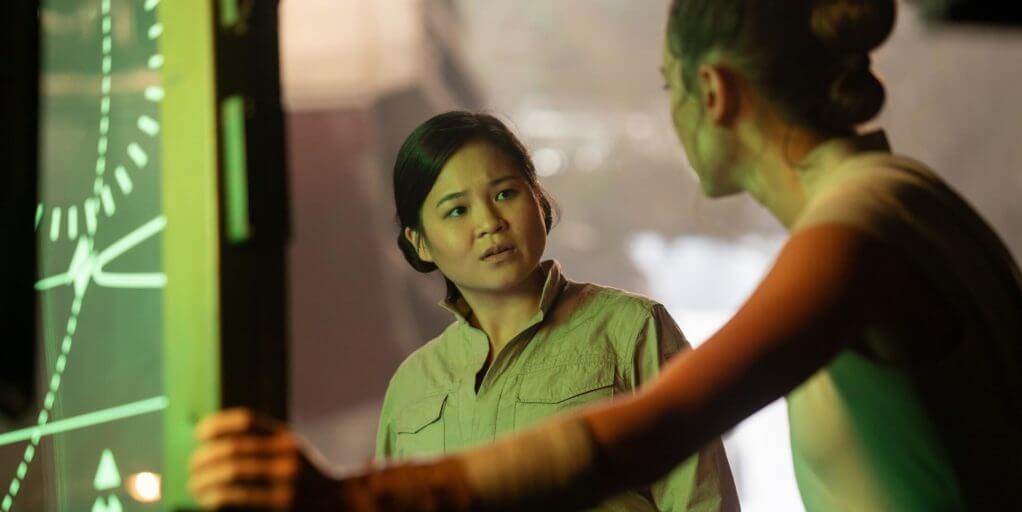
Kelly Marie Tran was incredible and unfortunately underutilized in The Rise of Skywalker

And with Rose, a really strange decision was to cater to the haters and toss her aside in the film. Rose, while her character was unlikable in The Last Jedi, had a complete 180 and ROCKED it in TRoS. In fact, Kelly Marie Tran absolutely rocked it (not that she was a bad actress in The Last Jedi. Her character was just “meh”). Rose’s character begged for more screen time as they made her act and seem a lot more bad ass than in The Last Jedi. Does she still love Finn? Does Finn love her? We don’t know these things still. All I know is that it was abundantly clear they downplayed her character in the film when, in fact, I felt Kelly knocked it out of the park. I was both surprised and disappointed in Disney’s decision.

Speaking of decisions, Kylo Ren and Rey kiss. Then Kylo died immediately and I thought, “Oh. Okay.” That was it. No emotions were had, because I didn’t feel any sort of emotional weight between the two. If anything, the bad guys were dead! Hooray! And apparently overdoing it with the Force kills more people than lightsabers (see: Luke Skywalker in The Last Jedi, Leia in this film, for reference). And sure, Ren gave his “life” to save Rey – whatever. Apparently no one needs training to use Force powers anymore either, right? Yeesh.

Let’s also point out Threepio and being unable to talk Sith – it’s understandable that he couldn’t as he couldn’t “impersonate a deity,” in Return of the Jedi. Programs come with limitations – that’s fine. However, the lack of impersonating a deity didn’t bog down Return of the Jedi with planet-searching hunt for a black market droid mechanic – slowing down the story which ultimately brought nothing to the table: Threepio lost his memory only to regain it 20 minutes later. Was the point of the whole thing to introduce Poe’s faceless ex-girlfriend? If so, what was her point in the film? Did she only exist to prove to the audience he was not gay? Sure, she gave the team a Captains Medallion to land on the Star Destroyer – but they could’ve easily found that in Ochi’s ship with the droid D-O and save us a lot of unnecessary babbling and screen time. I mean, I’m not a screenwriter, but c’mon. It could’ve saved heavily the on the budget. Disney, hire me.

Another strange moment was Hux’s betrayal. Not only was it obvious, but it was lame. Admittedly, if anything, his and Kylo’s characterizations were the only two things that survived from The Last Jedi – Hux was upset and disappointed because whiny man-child Kylo Ren became the Supreme Leader. But of his obvious feelings from The Last Jedi, of course it would have been Hux betraying Kylo. There was nowhere else for Hux to go as a character except die as an wasted Imperial officer at the end (poor Captain Phasma). I felt he didn’t even need to justify why he was the spy – I already was comfortable with him doing it. The reveal was disappointing and his character, ultimately, was too.

The other strange development from The Last Jedi was how Luke’s X-Wing was stranded on Ahch-To. Apparently it could fly just fine! So that meant Luke could’ve left the planet at any time, right? Doesn’t that kind of cheapen the entire reason of why he was in The Last Jedi? Doesn’t that kind of undo everything about Luke? Wha? The simple scene opened up a whole can of worms which makes me question whether or not the writers even cared about continuity.

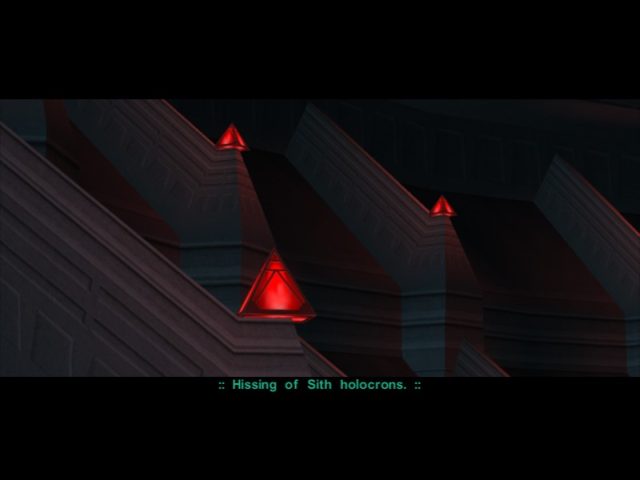
If it was so difficult to find the Sith Wayfinder (and who are we kidding here, they’re holocrons), how did Kylo Ren find the first map at the beginning of the movie? How did he even know of the existence of Wayfinders? The movie just hit the ground running and didn’t explain a thing.

The weirdest and arguably most awkward conversation goes to Lando with Jannah at the end of the film – “We’ll see where you’re from” – whaaaaaaaat? What the heck does that all mean? Way to end the film on a strange note.

Not to nitpick (lol) but even though First Order TIE Fighters were established to have light speed at the beginning of TRoS, the original TIE Fighters were established to NOT have light speed – HOW LONG did it take Kylo Ren to fly to Exegol at the end of the film? Yeesh.

Back to my Rey is a Clone theory, why did Luke’s lightsaber call to her in The Force Awakens? It makes even less sense now. It’s also still not explained how Maz Kanata got Luke’s lightsaber to begin with. Also, didn’t Luke’s lightsaber get destroyed in The Last Jedi? What crazy inconsistencies are going on here?

The Good

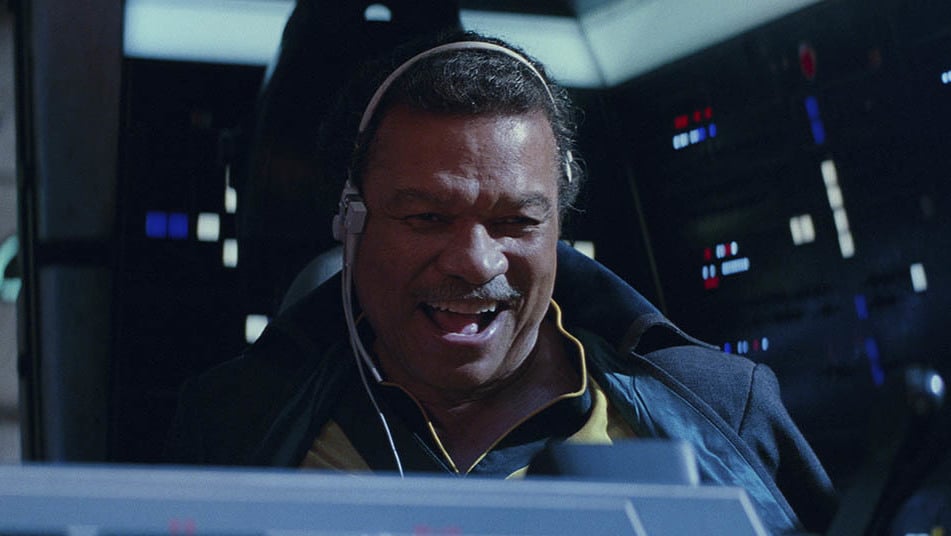
Lando Calrissian was the best thing about the movie, despite not being really in it. Nostalgia aside, because he was still the same ‘ol Lando, he made the film feel grounded. As JJ Abrams directed a chaotic movie with quick edits and snarky dialogue, Lando kept it cool and brought everyone together. He was the rock of the film and made everything seem. . . calmer. He was the veteran on set and I think because he was still part of the “old guard,” he stood out brighter than the rest of the characters in the movie.

As I mentioned earlier, Rose got the short end of the stick in this film. However, Kelly Marie Tran absolutely crushed it with great acting and an actual feel for the character. While it wasn’t properly established in the movie, I could feel she had a rich history and fighting fire within her. That’s a part of great acting. Just about everyone else felt bland, but Kelly Marie Tran was a gem in this film.

Thank goodness for Lando (for many reasons)

You know who else wasn’t bland? Kylo Ren! And he had a story arc! They wrapped him up nicely, and the character matured greatly from the last film. I appreciate how much he evolved as a character throughout the film and how his changes felt natural. It was a surprise to be sure, but a welcome one.

Carrie Fisher was fantastic. Knowing they had stock footage was certainly a challenge for the film crew, but I believe they did her right – including her death in the film.

WEDGE ANTILLES CAMEO. YEE.

The droids were great – BB-8, Threepio, and the aesthetics of D-O. D-O wasn’t really a great character, but the physical droid itself was fantastic. It felt like an old droid. I also enjoyed Threepio becoming relevant as it always felt that the droids were just side characters in these films. Finally some justice. And I’m still wondering what happened to his red arm between The Force Awakens and The Last Jedi.

The cameo filled with Jedi voices at end – Yoda, Mace Windu, Anakin Skywalker, Obi-Wan (both actors), Ashoka, and more, were a nice touch for the finale.

Chewie’s medal, while silly and unnecessary, was still cute. The “injustice” was finally served. In the film, it does seems stupid stupid however. Like, in her will, Leia would have, “When I die, give Chewie a medal” as if it bothered him for all of these years and she would’ve just held on to it because of reasons. I mean, one touching thing to consider is you could say the medal was for Peter Mayhew, the original actor of Chewbacca. So arguably there is that sort of warm feeling to associate the medal with.

The Borrowed

As I’ve mentioned in my Rey is a Clone theory, a lot of this trilogy had been borrowed from previously established Star Wars lore. It used to be known as the Expanded Universe, but is now acknowledged as “Legends.”

The Expanded Universe incorporated everything from television to books, comics, and video games. The whole “lore” of the EU was traced back to well-before 10,000 years before A New Hope and hundreds of years after Return of the Jedi. Some of the earlier EU came from the video game known as Knights of the Old Republic (KOTOR), which is one of my favourite video games and Star Wars “movies” ever. It takes place around 4000 years before A New Hope and established the Republic and Sith Empire with a rich backstory and legacy that spanned even further than you what you played in the game. The game’s story was so rich and incredibly it became canon within the EU.

After two games, Knights of the Old Republic turned into an MMO (massive multiplayer online) game, like World of Warcraft. This game was called, Star Wars: The Old Republic (SWTOR). It’s still thriving today, and I play it on and off from time to time. The MMO takes place around 300 years after KOTOR 2 and explores similar themes. These games, as they are so far away canonically from the films, have lore borrowed from them for the new films/TV shows. This is because there is little to no worry of anything being retconned.

Some of the lore included the Hammerhead class Republic cruiser in Rogue One, which originated from the KOTOR, a Sith planet called Korriban (turned Moraband in the TV show, which obviously inspired Exegol in the new film), yellow lightsabers (such as Rey’s at the end of the film), the Sith Wayfinder – which is without a doubt a holocron, and a massive, unlimited fleet created by dark energy known as the Star Forge.

Just quickly about holocrons (because why not?) They were first established in a comic book series from 1995 and were then featured in TV shows, video games, and books afterwards. They really took off after KOTOR as their colour and shape were really defined in the game.

A Sith Holocron from KOTOR in 2003

This is a Sith Holocron from the TV series.

This is a “Sith Wayfinder” from The Rise of Skywalker.

Imagine seeing and reading about something since 1995, then finally seeing it in film only to be told it’s something else. Weird, no?

Holocrons aside, one bit of lore that I felt was ripped right out of the Star Wars MMO, SWTOR was The Eternal Empire – the expansions to SWTOR known as Knights of the Fallen Empire and Knights of the Eternal Throne.

The story is very similar to TRoS, but began at the tail end of 2014: The Emperor was dead. With ancient powers of the Sith, he bore himself into a new body, named himself Emperor Valkorion and slowly built a new world called Zakuul (a la Palpatine on Exegol). This world created a massive fleet that could destroy planets (like Star Destroyers). Ultimately, the “outlander” – the person without a real definition about who they are (like Rey) – had to challenge the Emperor with the unlikeliest of allies – The Emperor’s son and daughter (similar to Kylo Ren). Both the Republic and the Empire team up together by slowly piecing together a team (like Lando’s fleet) to defeat the Zakuul army – called the Eternal Empire and wipe out the Emperor permanently.

Watching the movie play out, I was floored by the similarities. Certain lines felt familiar, and the overall feel of Palpatine reeked of Emperor Valkorion. I had a friend reinforce my opinion when he mentioned the similarities to the Eternal Empire without me prompting him. It’s a bit too coincidental.

It was all very interesting.

My Overall Feeling

The Rise of Skywalker, unfortunately, ended on a whimper. With years of being teased by Disney and theory-crafting with friends, the film ending was ho-hum. While it certainly wrapped up the story, albeit poorly, I find myself asking: did this trilogy need to happen? Upon quick reflection, I’d have to say no. The new trilogy didn’t bring anything new to the table and felt like it just tried to cash in on nostalgia – which props to Disney for it.

The ending concluded similarly to both Revenge of the Sith and Return of the Jedi – showing planets being freed, Palpatine showing “your friends are dying” as a space battle happens far away from his chamber, and of course ending with Rey setting foot at the Lars’ homestead on Tatooine (for some reason) and staring off at the twin suns (and how did she know where the homestead was anyway – and why was there an old lady just wandering the desert?). Even still, the film left me with a more questions than answers. Apparently a lot of the story can be filled in with companion reading material – but as a film that’s where it falls short. Unfortunately, that also seems to be the nature of entertainment today: you have to be committed to the franchise in order to enjoy it.

As you can probably tell from what you’ve read, I’ve been committed to the Star Wars franchise since I was a wee one. I’ve read the Expanded Universe, played the games, and was really involved in all the fandom that the franchise had to offer. Disney came around and wiped the slate clean – which they had every right to. However, back then the films and EU were separated. Nowadays, it feels – like the companion reading material – that it’s all one in the same. It’s as if Disney is trying to get you into eating up the new lore by intentionally leaving plot points and backstory out from the films. It’s unfortunate, but it feels like the way it’s going now.

Leaving the theatre, I was baffled at the decision making in the film, but was also relieved: I don’t need to see anymore Star Wars films (arguably I didn’t need to to begin with) and I don’t have to be committed to anything after this. This new entertainment model of TV crossing over with film and books is still relatively new and certainly feels a bit overwhelming at times. The Rise of Skywalker felt like it required a lot of explanation that will be done outside of the film through various means.

As a stand alone film, unfortunately, it leaves me disappointed and well. . . empty. The film did not give the characters or worlds enough justice for me to care to follow. It’s disappointing because I want to care about these characters. I was invested in the Star Wars universe. Throwing away the Expanded Universe to create new films was a bold move and I am fine with it. I enjoy watching Disney borrow from it and utilize other stories – but when the stories themselves are bad – I just can’t care enough. And apparently some fans are getting tired of it all, too.

As a whole, was The Rise of Skywalker better than other Star Wars films? Most certainly. But as a comprehensive story, I’m confused beyond belief.

For those who are interested, here are my Star Wars films ranked:

1. The Empire Strikes Back
2. A New Hope
3. Return of the Jedi
4. Revenge of the Sith
5. Rogue One
6. The Force Awakens
7. The Rise of Skywalker
8. The Phantom Menace
9. Solo
10. The Last Jedi
11. Attack of the Clones

Until next time, keep on Space Truckin’.

My The Rise of Skywalker Theory: Rey is a Clone

A new Star Wars: The Rise of Skywalker trailer dropped and well. . . I feel it’s time to share a theory I’ve had since The Force Awakens (Spoiler alert from here on out).

First, the trailer:

Since The Force Awakens (TFA), I’ve concluded Rey is a clone of Luke Skywalker’s hand from The Empire Strikes Back (TESB). These points have only been reinforced with more Star Wars films. Why? Let me quickly list my points then elaborate on them further:

1. Rey has no knowledge/vision of her parents
2. Rey speaks with a British accent
3. General Hux discussing cloning very briefly in TFA
4. Luke/Vader’s lightsaber “called” to her in TFA
5. Rey’s vision of Cloud City when when she first grabbed the lightsaber
6. Snoke’s non-existent backstory
7. A lot of things in the new films are previously established Star Wars canon, “the Expanded Universe” (EU), now known as “Legends.”
8. It doesn’t break the Jedi Code, keeping the Skywalker lineage clean
9. The new trailer

1. Rey has no knowledge/vision of her parents

In The Last Jedi (TLJ), Rey makes it to Ahch-To and trains with Luke to both try and recruit him and have him train her as a Jedi. Much like how Luke fought a faux Darth Vader in TESB, Rey falls into a cave and sees a silhouette of her “parents.” We get no information on what they look like or even if they’re human. They’re simply shadows. In TFA, all we get is a flashback of Rey’s “parents” flying away on a ship – as if she was left abandoned. As a child, surely one should be able to have any little glimpse of their parents. Heck, in Return of the Jedi (RotJ), Leia said about her mother, “She was, very beautiful, kind, but sad.” Even though Leia WAS A BABY, she still had an idea about her mother. What’s Rey got? Nothing. Why? Because there’s nothing there.

Rey’s parents or shadow puppets?

2. Rey speaks with a British accent

I hope this doesn’t come as a surprise to anyone, but the reasons why most Imperials speak with a British accent is for one of two reasons: One is that they’re imperialists much like how the British were – George Lucas wanted a direct correlation to the Empire and to real-world history. The second reason is because they’re from the central worlds like Coruscant, Corellia, Chandrila (lots of C’s there), and Alderaan. Obi-Wan Kenobi and Qui-Gon Jinn both had accents because they were on Coruscant with the Jedi and raised in central worlds. The Imperials had the accent because they were from main worlds. Mon Mothma and Bail Organa both had semi-British accents (as did Leia in A New Hope (ANH)). Jyn Erso from Rogue One had an accent because of her father raising her with Imperials around.

These accents are important to note because if Rey really did come from a poor world and family were really “filthy junk traders who sold [her] off for drinking money,” she wouldn’t have had the accent. She most definitely would not have picked it up on Jakku. She must have been raised in an Imperial world – or at least a central world. This is backed up further into my next point:

3. General Hux discussing cloning very briefly in TFA

Kylo Ren: How capable are your soldiers, General?
General Hux: I won’t have you question my methods.
Kylo Ren: They’re obviously skilled at committing high treason. Perhaps Leader Snoke should consider using a clone army.
General Hux: My men are exceptionally trained. Programmed from birth.
Kylo Ren: Then they should have no problem retrieving the droid.

This little discussion early in TFA subtly plants the suggestion into the reader’s mind that cloning IS A THING yet we don’t hear about it again.

In ANH, cloning was loosely talked about with Luke, Leia, and Obi-Wan, as the two Skywalker’s mentioned Obi-Wan serving with Anakin (or Bail) in the Clone Wars. Outside of that (and the prequels), we’re led to believe that’s all there is to cloning – only cloned Stormtroopers (but more with that on point 8). However, here we know that the bad guys, the First Order, are ACTIVELY using clones for the first time since the prequels (or in the Star Wars timeline, 60-80 years later). And like I said, that’s weird because cloning was not relevant in the original Star Wars trilogy, nor has cloning been relevant in the first two films of the new trilogy. So why bring it up at all? And I can’t help but feel that clones will probably have British accents like the rest of the First Order too. . .

4. Luke/Vader’s lightsaber “called” to her in TFA

A lot of this will be reinforced in point 7, however I think it’s important to let you know that in the Timothy Zahn book series, the Thrawn trilogy, Grand Admiral Thrawn has Luke Skywalker’s hand, cut off by Darth Vader in TESB, and clones it to create the cringe-worthy clone named “Luuke.” (I know, right?)

To make things really interesting, and to kind of sprinkle in point 5, with Rey’s vision of Cloud City, one could see how the blood of a Skywalker could want to “call out” to the lightsaber. To hit the point home even further, Rey touched the lightsaber and immediately found herself in Cloud City. Now most people would assume that it’s because “that’s where the lightsaber was last.” Perhaps it was Rey “remembering” when she was on Cloud City? A deja vu, if you may. However, it’s the Skywalker blood that’s having the deja vu. How can Rey not remember her parents, yet have a vision of some place she’s never been to?

♫”We built this Cloud City and Rey’s a clone.”♫

6. Snoke’s non-existent backstory

One thing I absolutely despise in storytelling is how the storyteller will purposefully leave out important information to make the “big reveal” feel stronger – films that loosely reveal information that helps develop a backstory – either with flashbacks or some sort of prophecy. With Snoke, it honestly feels more “hidden” than anything. There was tons of time to slip a line or two in about Snoke’s backstory. But what does the audience get? Nothing! Not a single damn thing. Films that purposefully hide plot points behind reveals is simply lazy storytelling. For a while, I was feeling frustration that there was lazy storytelling in TFA and TLJ. I really ripped into The Last Jedi over that one, actually.

However, I’ve come to the more comfortable conclusion that they’re purposefully not telling us because this “clone” reveal is going to be so huge that any glimpse into Snoke’s past would have said too much. If anything, since we know Emperor Palpatine is back, I’ll bet you Snoke was a failed clone of Emperor Palpatine – hence the disfigured face and, well, everything.

Speaking of hiding plot points, and to reinforce point 3: I wonder why General Hux – or for that matter, director J.J. Abrams – had cloning mentioned in TFA at all if cloning hadn’t been necessary to any plot point in the new films yet? . . . hmm.

7. A lot of things in the new films are previously established from the Star Wars EU, now known as “Legends.”

A lot has been borrowed from the original Star Wars EU, previously established in earlier books, video games, and comics. I mentioned in my review of The Last Jedi, that “Leia’s use of the Force bubble is something pulled from the EU/Legends in the book, The Courtship of Princess Leia.”

We also have lots of other tidbits from the EU, such as:
– The Hammerhead class Republic cruiser in Rogue One, which originated from the Knights of the Old Republic video game
– Kylo Ren being named “Ben,” which is what Luke and Mara Jade call their son
– The Sun Crusher and Starkiller Base both have the ability to wipe out systems, not just planets
– Exar Kun was an evil force that helped wreck Luke’s New Jedi Order. Look at what Kylo Ren did.
– Kylo Ren, a Solo, turned to the dark side. Just like Han and Leia’s son, Jacen Solo, turning to the dark side and becoming Darth Caedus
– Death Troopers looking like Shadowtroopers from Jedi Knight II: Jedi Outcast
– In Solo: A Star Wars Story, L3-37 (ugh) is very similar named and looking like LE-BO2D9, or “Leebo,” Dash Rendar’s droid from Shadows of the Empire
– Swoop bikes and Dash Rendar’s Outrider from Shadows of the Empire were added into the Special Edition of ANH
– Darth Maul’s double-bladed lightsaber was originally created with Exar Kun
– Kylo Ren’s crossguard lightsaber first originated out of the Star Wars comic books
– Grand Admiral Thrawn from the Star Wars TV series is originally from the EU books
– I’ll admit I’m speculating here, but in the Thrawn trilogy by Zahn, Leia feels the presence of Palpatine where he died in space over Endor. In a later book by Zahn, the Emperor returns as a clone. From the first teaser trailer, we hear the Emperor laugh over the destroyed Death Star on Endor. . .

Believe me, there’s more. But what I’m trying to get at, is that the Star Wars films aren’t without influence from things considered “non-canon.” The idea of Rey being a clone isn’t too far fetched when cloning characters is literally within the confines of the fantasy world Star Wars has built. We hear the Emperor laughing in the first teaser trailer for The Rise of Skywalker (TRoS). Is it that wrong to assume he’s back as a clone?

8. It doesn’t break the Jedi Code, keeping the Skywalker lineage clean

This is my big one: Anakin Skywalker falls in love with Padmé Amidala and marries her. That is forbidden by the Jedi Order because jealousy, temptation, and fear of loss could ultimately turn one to the dark side. Anakin breaks the Jedi Order, falls in love, and turns to the dark side. He becomes Darth Vader, the ultimate bad guy.

Padmé, however, gives birth to Luke and Leia. Leia is not a Jedi technically, so she’s in clear. Also, because Star Wars borrows from the real world, Ben is a Solo, not a Skywalker, because of his dad.

The clone of Rey, however, would be the perfect way to wipe the slate clean for the Skywalker lineage. Not only would Rey be a Skywalker, but she would be a way for Luke to “have a child” without ever having to break the Jedi Order. This Rey clone would keep the Skywalker lineage in check, and thus keep the Jedi, or even a neutral “Jedi” path, safe (that link/idea is also from the EU and has been heavily suggested from fans). It’s also called, “The Rise of Skywalker,” not “The Rise of Solo,” so it can’t be talking about Ben. What a better way to keep Luke’s lineage/nobility to the Jedi Order than to just clone him than have him “break the rules.”

9. The new trailer

Ah. The face of someone who has complete control of their mind. Definitely not a clone. . . ?

And finally we come to the new trailer that has dropped. We see Rey with a double-bladed lightsaber (which I’ve already established came from the Expanded Universe). Doesn’t she look a bit. . . stoic? Seems familiar to one Luuke Skywalker.

Mentally, he was little more than a mindless drone, an extension of Joruus C’baoth’s will. The clone was created for C’baoth’s use as a tool, and he obeyed the insane Jedi Master’s every command instantly. The clone was devoid of any sense of individuality and showed no recognizable sign of emotion until the end of his bout with [Luke] Skywalker, when he shrieked and attacked Mara Jade in fury after a viewscreen blew up in his face. Skywalker considered the clone to be thoroughly evil, a twisted perversion of himself.

While I’m not suggesting that there’s going to be TWO Rey’s in TRoS, it wouldn’t surprise me if she became the Luuke in this example – the extension of the Emperor’s mind to fight Kylo Ren or something. I’m not sure, of course. However, when you think of a mindless drone, that certainly is the face of one, no? From that short clip, Rey’s mind is gone, and I’m suggesting, is under Palpatine’s will.

I have to say, the more information that comes out about the film, unless it explicitly shows “these are Rey’s parents!” I have to continue my rationale that Rey, is indeed, a clone of Luke Skywalker’s hand. Not to mention the film’s called “The Rise of Skywalker” and (spoiler!) there’s no other Skywalkers left save for Kylo Ren – but he’s never really been considered a Skywalker and I feel his inclusion to becoming one would be lame and not well-received by fans. That being said, those fears didn’t stop them from making The Last Jedi, so what do I know?

Thoughts, concerns, or arguments to be had? Let’s go! If you’d like, you can also follow me on Twitter and Instagram!

Until next time, keep on Space Truckin’.

Why I Disliked Star Wars: The Last Jedi

I love me some bad movies. I can watch a film like The Room or Birdemic: Shock and Terror with ease. Give me a bad, campy movie and I’ll eat it right up.

Give me a movie that’s supposed to be good but ends up bad; I’ll struggle to watch it again.

Herein lies my problem with The Last Jedi: a movie that’s supposed to be good (currently sitting with a 93% on Rotten Tomatoes) but ends up being bad. Why is that? Let me count the ways.

I feel the need to express my thoughts over this film because most people I’ve talked to are shocked I disliked the movie. As both a lover of film (especially Rian Johnsons’s Looper) and an even bigger lover of Star Wars (R.I.P. Expanded Universe), I have a strange case of wanting to love this movie. However. . . I didn’t. Obviously, spoilers are ahead.

Why I disliked The Last Jedi as a fan of film:

Where to begin? Let’s start with the plot:

Ex-Marvel Comics Editor-in-chief Jim Shooter, once wrote a storytelling lecture on his blog. There, he covers the basic fundamentals of storytelling using the poem of Little Miss Muffet. He writes,

Little Miss Muffet–introduce the character. Sat on a tuffet eating her curds and whey–establish the status quo. Along came a spider–introduce the disruptive element. Sat down beside her–build suspense. Scared poor Miss Muffet–climax. Away–resolution. Now you know the basic building block of entertainment. Is that all you need? No. Little Miss Muffet is a story, it fits the basic building block, it is however a lousy story. You don’t know anything about this girl, you don’t know anything about the spider. It gets old pretty quick. But we can make it better.

Now let’s look at The Last Jedi: At the beginning of the film, Rey has the Force and she’s learning to use it. We also have The Resistance defeated by the First Order. We also have Kylo Ren who’s the big baddie and is angry all of the time.

By the end of The Last Jedi, we have Rey who is learning to use her Force powers, The Resistance is defeated, and Kylo Ren who as the big baddie and is angry all of the time. The rest of the movie is filler. Without a status quo change, arguably the movie really didn’t need to happen, did it? Let’s go deeper:

At the end of The Force Awakens, Rey learns she has the Force. She goes to Luke to learn how to use the Force. She syncs up with Kylo Ren a handful of times to add some mystery to the story. She even dabbles with the dark side, according to Luke. She then leaves Luke and meets up with Kylo Ren. Snoke dies and she refuses to join Kylo. She re-joins the Resistance, despite being not that much further ahead in her training than she was before. Sure, she’s learned to control her Force powers a bit better, but essentially, that’s Rey’s arc. She went from learning how to use the Force to still learning how to use the Force. Yes, it’s filled with her arguing between Kylo and Snoke – refusing the dark side and all that fun stuff – but ultimately, she’s left unchanged in the film. We kinda sorta don’t learn her history regarding her parents either, so her motives are still somewhat unchanged. She’s really not that much better off than what we started with. The audience knew she was a good person because it was established in the first film. Even as she spoke with Luke, we saw her still fighting for good, despite temptations. Ultimately, Rey’s status quo didn’t change at all.

Even these little things didn’t bother me as much as the movie itself.

Looking at The Resistance, they didn’t change much at all. If anything, they just got smaller. We know they are the good guys who got beat down (which they definitely did in this film), but they were already the underdogs. They went from being underdogs to staying underdogs. They lost Admiral Ackbar, Admiral Holdo, Rose’s sister Paige at the beginning of the film (they’re all heroes, don’t cha know?), and hundreds more. And so? They weren’t relevant to the film anyway. Their loss didn’t change anything, actually. The status quo of the Resistance didn’t change.

Then we have Kylo Ren – an angry defeated boy at the end of The Force Awakens who turns against his master in The Last Jedi. And that’s about it. Like I said earlier, he goes from being angry to staying angry. He was technically second-in-command of the First Order anyway so the “shift” in his character really wasn’t all that dramatic. Sure, he saved Rey from Snoke showing he has some light in him, but shortly after he wanted to kill her. Mood swing. The status quo for Ren changed in the film but was ultimately reset back to the beginning of the movie when The Last Jedi ended. That’s pretty lame.

Finn and Rose we’re something irrelevant. You could literally rip their storyline straight out of the movie and nothing would change outside of Captain Phasma still being alive (but she was irrelevant anyway). To recap: Finn wakes up, runs into Rose (who got over her sister’s death pretty quickly) and they take off to the Casino to pad out the movie. They find the Slicer DJ, end up getting caught by Phasma, getting saved by BB-8, go to the planet Crait, get both of their speeders wrecked, they both escape, and then the movie ends. They literally did nothing in the film and as such, their existence in the The Last Jedi was irrelevant.

Lesser characters, Poe, General Hux, Captain Phasma, Luke, and Leia, ultimately didn’t have much effect on the film either. Their storyline could’ve all been left out.

Poe went from being a rebellious jerk to being a rebellious jerk. General Hux didn’t change at all. Captain Phasma goes from being completely irrelevant in the first film to being completely irrelevant in the second. It was if neither director knew what to do with her. We learn Luke’s story over the past forty years, but ultimately we go from not having Luke Skywalker in The Force Awakens to not having Luke Skywalker by the end of The Last Jedi. Leia was the voice and leader of the Resistance and continued to be so. She was left unchanged.

“I’m in this movie for all of the wrong reasons.”

Looking back at Little Miss Muffet with The Last Jedi – we have our characters on their tuffet and a status quo of their curds and whey. The First Order is the disruptive element and well. . . that’s as far as we get. We’re back to everyone on their tuffets eating their curds and whey.

So my biggest problem with The Last Jedi? In 152 minutes, our characters physically fly from Point A to Point B. The rest is filler. No ones character evolved in the movie and as such, the status quo did not change.

Character Development

Snoke dies. Luke dies. Rey lives. Kylo Ren lives.

Why didn’t I care what happened to these characters, living or dead? The answer is motives. The audience isn’t given any – and if they are – they’re not strong enough to care about.

Let’s take a look at Snoke: what’s his motive? How did he create the First Order? Did he create it? We have no back story to him, despite his few moments of spewing out exposition when talking to Rey. We really don’t know what his character is about outside of him being big and bad. That’s it. He dies and that’s the end for him. Not only was he a lame character, but without a back story, we’re unfortunately victims to lazy screen writing and character development. R.I.P. Snoke, we hardly knew ye.

“I’m irrelevant.”

Luke’s death, while a bit of a surprise, upset me for the wrong reasons. He didn’t need to die (let alone however he died which I’ll get into below). But his motives still weren’t entirely clear. He trained Rey out of guilt, I guess. But it wasn’t much training at all. By the time we learn his back story, Rey’s already buggered off and we’re left with Luke’s final moments straining to delay Kylo Ren from killing the rest of The Resistance. Did Luke get closure because of this? Rey and Leia confirmed Luke felt “at peace” but did he really? The characters had to tell us that in the film because I certainly didn’t understand or feel it.

With Rey, we have her wanting to learn her origin but we’re still left ambiguous about it. Kylo Ren tells her something about her parents, but hey – he could be lying! We’re given vague answers to her throughout the whole movie – what her power set is, where’s she’s from, and most importantly – why we should care about her. She only became “the last Jedi” by the end of the film. Her status quo didn’t change outside of a title, so my care for her is the same as it was at the end of The Force Awakens: I really don’t know how to feel.

And with Kylo Ren, he’s still a moody, angry teenager. He killed his master, which was probably the most development we received about him in the film, but that’s about it. He lives to fight on and kill the Resistance, but I mean, how’s that any different than what he was in the first movie? It’s really not.

Consistencies

I’ll try to keep these to bullet points as I’ve already whined too much:

– Rey goes to Ahch-To to find Luke. Given the night and day cycles, we can assume she’s there for at least a week. We also know that the Resistance only has a little amoutn of fuel left from the start of the movie (we’re told around eighteen hours then down to six hours). By the end of the film, Rey and the Resistance meet up at the same time. Nice. The only explanation is if Ahch-To has significantly shorter day cycles, which obviously isn’t discussed.

– For plot convenience, I’m glad BB-8 can become an X-Wing conductor to help destroy a Dreadnought, can talk to a prisoner who fortunately happens to be a Slicer and steal a ship for our characters to escape, and can suddenly pilot a First Order walker (conveniently destroying its hull from the inside to reveal it’s him to the audience) to save his friends. BB-8 became the most convenient deus ex machina in cinematic history.

– I guess Threepio doesn’t need a red arm anymore? Between escaping the secret Resistance base and getting onto the Resistance capital ship, they swapped his arms?

– Yoda is cool with lying to Luke about the Jedi books and burning trees down (in case you missed it, the books were on the Millennium Falcon at the end of the film).

– The First Order has hundreds of TIE fighters at their disposal and can easily destroy the hull of the Republic cruiser (R.I.P. Admiral Ackbar). Why drag the movie out for two hours when a handful of TIE’s could’ve ended the film? We know TIE fighters can destroy the bridge easily so. . .

– From the previous point: so the Resistance exited hyperspace to a random place only to be followed by The First Order. Whose idea was that? Even IF it was with plans to fly to Crait all along (which conveniently showed up for the Resistance to escape to if it wasn’t), why would only Leia and Admiral Holdo know of the plans? There’s probably an argument that the rest of the people “in the know” died on the bridge, but in reality, the audience was left out of the information to add some drama to the story. It was unnecessary.

– What camera was following Maz around? That’s one helluva cool selfie stick.

– DJ was a slicer who helped Finn and Rose, then back stabbed Finn and Rose. What happens to him? Who cares.

– Where’s the rest of the Knights of Ren Luke spoke about?

A showdown with little build up, tension, or history behind it. Finn is undefeated with Phasma. The score’s 2-0 now.

– Nit-picking as a Star Wars fan, Luke’s death bothered me because of how he died. In Revenge of the Sith, we learn Qui Gon Jinn discovered the “path to immortality” which is why Obi Wan and Yoda disappear and become one with the Force after they die in A New Hope and Return of the Jedi. This is also why Anakin Skywalker’s body doesn’t disappear in Vader’s suit, or why all of the Jedi in Revenge of the Sith do not disappear after their deaths. However, we see Yoda come to Luke presumably for the first time (as per his reaction) since Return of the Jedi. Unless Yoda explained Qui Gon’s discovery to Luke off-screen, I can’t see how Luke could’ve disappeared at the end of The Last Jedi without that specific knowledge that Yoda didn’t even seem to have known some-eighty years prior.

General Questions

– It bothered me in The Force Awakens and it still bothers me now: WHO ARE THE RESISTANCE?! We have the Republic in The Force Awakens. They were the five planets that were destroyed by the Starkiller Base. The Republic and its fleet were wiped out.

But why did the Resistance exist to begin with? Wasn’t the Republic in control? Was there a civil war? What was going on? Why is General Leia against The Republic? Was she against the Republic? To that extent, why did the Republic only exist on five planets? More so, at the end of The Last Jedi, if the Resistance had “other friendlies” to contact, why are they such wussies and refuse to help the Resistance on Crait? Are they even relevant? To that extent (and to reinforce what I’ve said earlier), if the Empire was defeated in Return of the Jedi, who let The First Order rise to be the size that they were? How is The First Order funded? What’s Snoke’s back story? Answer: it’s lazy screen writing.

– If we assume The Last Jedi takes place right after The Force Awakens, can we also assume enormous grief is what’s going to kill General Leia off in the final installment? We can assume that in a span of maybe, twenty-four to forty-eight hours(?) she loses Han Solo, Luke Skywalker, Admiral Ackbar, Admiral Holdo, most of the Resistance/her friends, and admits her son cannot be saved. That’s arguably a bigger loss than Alderaan’s destruction. However, Leia seems to handle that all in-stride. Classy.

– I’m all for jumping into lightspeed to split Star Destroyers in half, but how did it manage to destroy ALL of the Star Destroyers? Convenient.

– More of a comment: this movie isn’t Fern Gully. I can’t remember a Star Wars movie where the film goes full-stop and suggests cruelty to animals and the wealthy are bad. There’s obviously social messages in prior movies, but Star Wars was never the kind to make it so apparent. That bothered me because scenes at the Casino planet made Star Wars feel more like a Disney product than a Star Wars film.

Despite all of what I’ve said, I liked some things in The Last Jedi. Here’s what I liked:

– Leia’s use of the Force bubble is something pulled from the Expanded Universe/Legends in the book, The Courtship of Princess Leia. In there, Luke and Isolder fall from orbit safely onto a planet because Luke wraps them in a Force bubble. It was neat to see that used in the film.

– While I pointed out issues with some character development above, there was one character who had tons of back story given to her with very little screen time. Admiral Holdo’s arc and development stood out – especially when Leia and her share a scene together. We get a lot of history with Holdo with very little exposition and it completely works for the character. We have her full arc, going from a emotionally shut off Admiral to someone who had a plan unfolding all along. She has a rich history and ends up saving the Resistance due to her commitment to the cause. A true martyr. The Little Miss Muffet poem, Admiral Holdo is.

One of the few decent things to come out of The Last Jedi.

– Yoda’s cameo was great – not for nostalgic reasons, but because Yoda had some ridiculously good words of wisdom to share to Luke. While I snickered at Yoda’s CGI appearance at first (’cause he looked like a baby), they switched him over to a puppet for close-up shots and he looked fantastic.

– I loved some of the directorial artistry in the film. Some scenes I wished I could take a picture of because they were so beautiful. Those scenes are: Luke and Yoda sitting in front of the burning tree, Luke vs. Kylo Ren and their standoff on Crait, Admiral Holdo ripping through the Star Destroyers, and of course, the First Order walkers on Crait.

While I’m not petitioning to remove The Last Jedi from canon, I do feel like this’ll be the end for me and Star Wars post-Episode Nine. I’m two movies into a new trilogy and the only characters I’ve cared about died already, with Carrie Fisher unable to reprise her role in the third. I’m disappointed how the new trilogy has presented itself and have minor hopes it can turn around for Episode Nine. However, I’m cautiously optimistic and will find out in a few more years.

What do you folks think? Did you love The Last Jedi? Hate it? Was I wrong with anything I’ve said? Sound off below and let’s start a discussion.

Until next time, keep on Space Truckin’!