My Top Albums of 2016

And starting off at number fifteen. . .

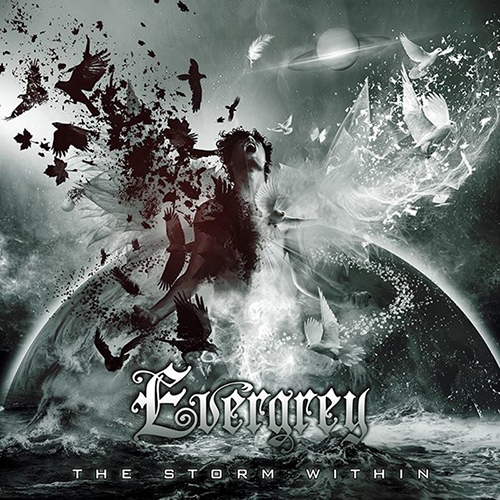
15. Evergrey – The Storm Within
evergrey

While it has only been two years since Evergrey was last featured on my Top 15 list, they knocked it out of the park with this album. What I feel to be their best album since 2004’s The Inner Circle, Evergrey takes it up a notch with The Storm Within; showcasing some of the most aggressive song writing, grand choruses, and dark lyrics.

Watch the music video for “In Orbit” featuring Floor Jansen:

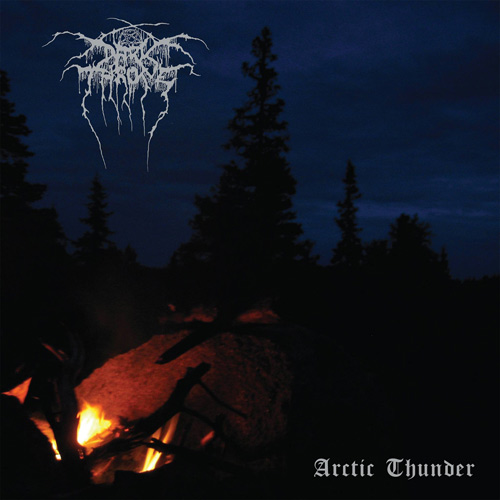
14. Darkthrone – Arctic Thunder
darkthrone-arctic-thunder

Yet almost redefining their sound again, Darkthrone somewhat goes back on their black metal roots but now taking shape with some bits of crunchy doom metal. Coming at the listener with thundering beats and punishing riffs, Darkthrone really impresses with this surprisingly straight-forward album that, despite being their sixteenth studio album, still comes as a breath of fresh air.

Listen to the first track, “Tundra Leech”:

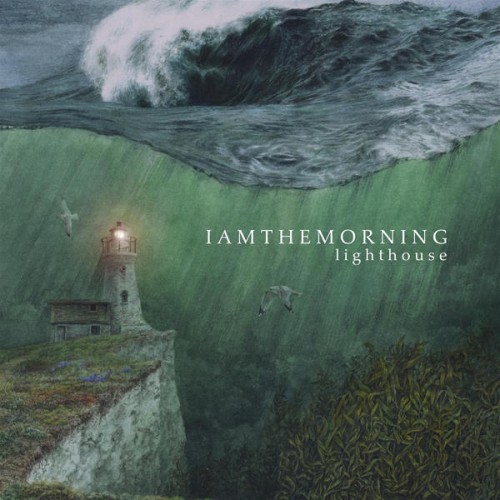
13. iamthemorning – Lighthouse
iamthemorning

One part chamber pop, another part progressive rock, iamthemorning have always been a bit different. With beautifully haunting music and vocals, Lighthouse stands out as a daring take on making something complicated sound so beautiful and elegant.

Check out the entire album streaming here:
https://iamthemorningband.bandcamp.com/

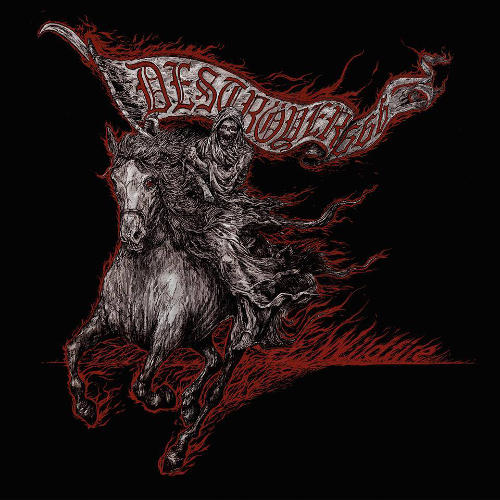
12. Deströyer 666 – Wildfire
destroyer-666

As far as blackened thrash metal goes, Deströyer 666 create a solid album with gripping choruses and challenging aspects to their listeners. It’s not just your run-of-the-mill thrash album. There’s lots going on. The production is solid, the songs are great, and the riffs are crunchy. Putting this album on makes for one helluva fun ride.

Listen to the single, “Wildfire”:

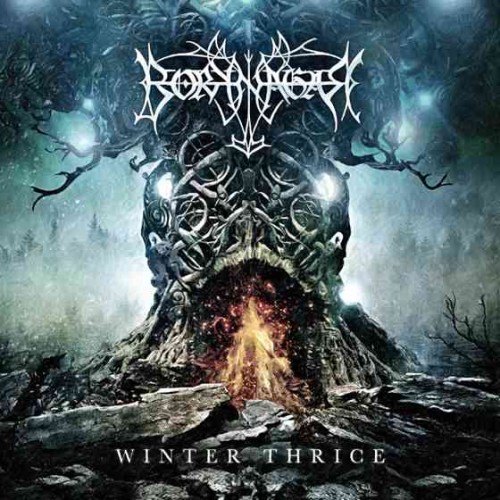
11. Borknagar – Winter Thrice
borknagar

Even into their tenth studio album, Borknagar still shows the skill and comfort in their songwriting capabilities as Winter Thrice can take you over a variety of genres while still being Borknagar. Thrash, black, viking, progressive – thematic elements and bombastic choruses make for a audibly exciting album that anyone could really get into. Borknagar has always been a band that delivers quality – and with Winter Thrice – they still do.

Watch the lyric video to the first track, “The Rhymes of the Mountain”:

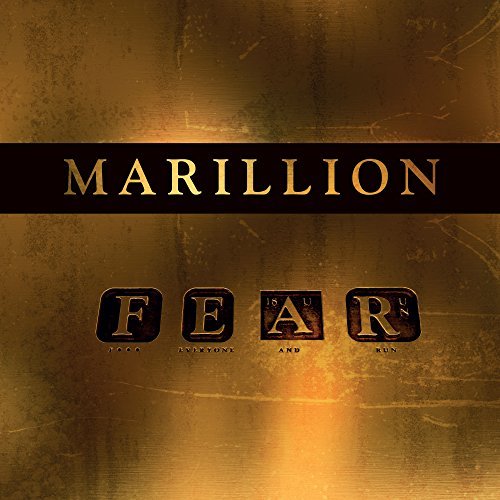
10. Marillion – Fuck Everyone and Run (FEAR)
marillionfear

This was a surprise to me. Hands-down to be one of their greatest albums, Marillion’s FEAR truly harkens back to classical progressive rock times. Lyrically speaking, the album mirrors the title as it reflects upon the changes in England and people left behind; between the have and have-nots. Sometimes feeling like a gloomy, slow burn, the music is emotionally driven and if anything makes the listener realize that they are not alone with their thoughts.

Listen to “The New Kings” here:

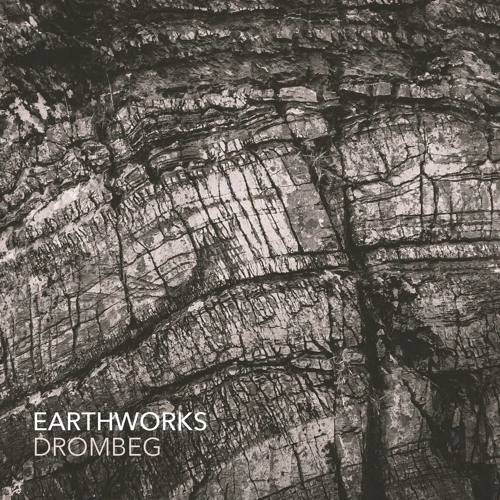
9. Drombeg – Earthworks
drombeg

I stumbled onto Drombeg by sheer luck. Listening to the first few songs of this debut album, I was sold. His publisher’s description of the album describes it best: “A soundtrack for the middle-of-nowhere, the wild landscapes of Brookes’ native Southern Ireland are littered with historic, and geological structures hardened under the relentless elements. Sinuous string melodies, and tender piano phrases reach like sunlight breaking through heavy clouds, blended with electronics and field recordings in careful balance to produce a rich cinematic sound.”

Check out the entire album here:
https://futuresequence.bandcamp.com/album/earthworks

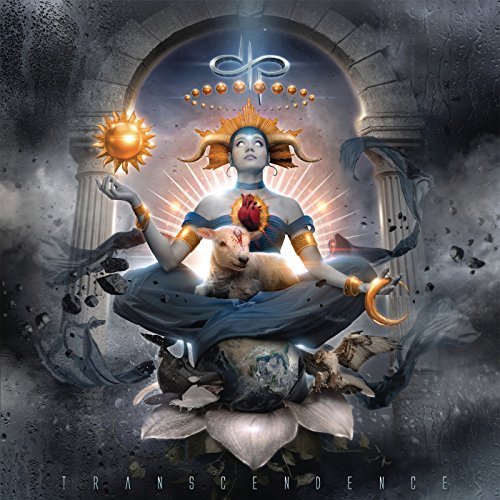
8. Devin Townsend – Transcendence
devintownsendtranscendence

I wasn’t sure if I liked this album at first. As a biased Dev fanboy, I felt like I was simply getting another version of Epicloud. After a few spins, it hit me, and I fell in love with Transcendence. Truly showcasing how much Devin has progressed as a musician over the years, his songwriting skills have tightened and makes for an engrossing album that sonically delivers. Not to mention this is the first album that features song writing credits to the rest of the band – being Dev’s first real collaboration with them. A true treat for the ears.

Watch the music video for “Stormbending”:

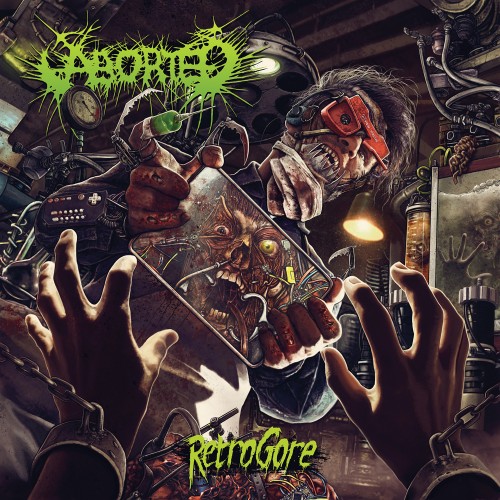
7. Aborted – Retrogore
abortedretrogore

Absolutely devastating death metal, Retrogore is a feast to the ears for those into horror films and, well, gore. It’s vile to the point of hilarity, and the band is fully-aware of that. With song titles like “Whoremageddon” and “Forged for Decrepitude” (which also features classic lines from Re-Animator), Aborted makes a much improved effort from their previous release and excites me to see what will come next.

Listen to the title track here:

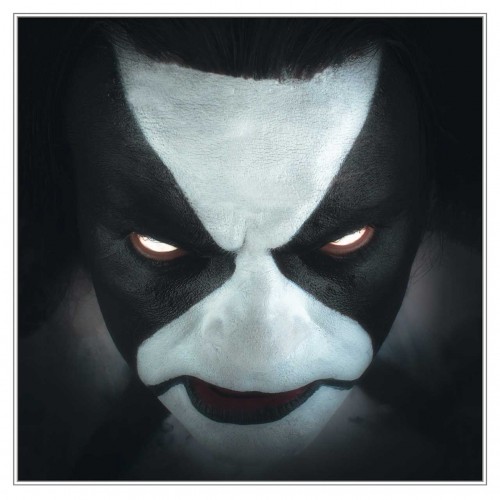
6. Abbath – Abbath
abbathst

Immortal’s ex-frontman Abbath debuted his first album earlier this year to great success. Never would I have found black metal to be this damn catchy (which I suppose goes against the grain of what tr00 kvlt black metal is), but damn it’s catchy! Beat after beat, this album comes at you with stellar force.

Check out the video for “Winterbane”:

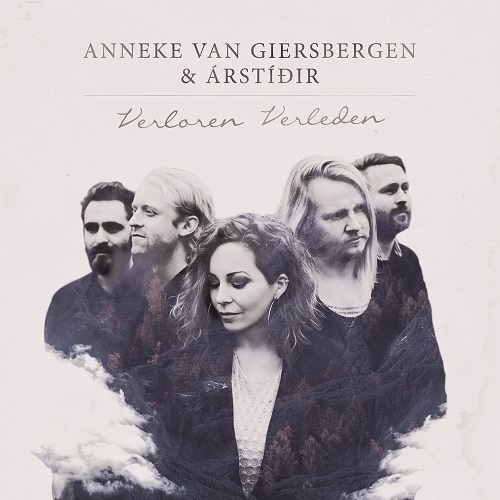
5. Anneke & Árstíðir – Verloren Verleden
annekearstidir

Icelandic folk band Árstíðir teamed up with one of my favourite vocalists, Anneke van Giersbergen, to showcase a variety of traditional and classical songs. It’s a wonderfully peaceful album with great resonance naturally showcased within the albums’ production. I found myself spinning this album a surprisingly large amount of times this year. Absolutely beautiful.

Listen to the wonderful cover of “Bist Du Bei Mir”:

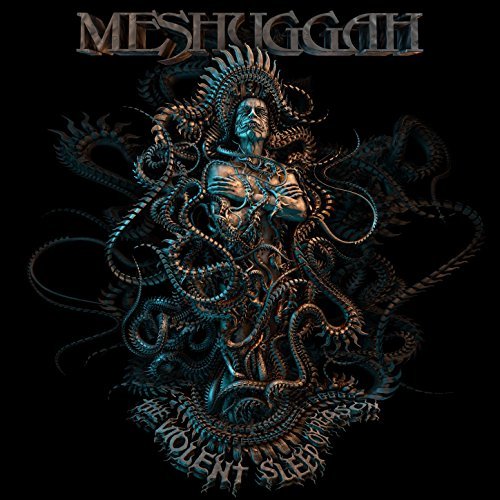
4. Meshuggah – The Violent Sleep of Reason
meshuggah

What’s not to like about Meshuggah? This band is always pushing the listener to something that rhythmically uncomfortable yet familiar. Always a great band to divulge into, if not a bit challenging to fully comprehend, The Violent Sleep of Reason is a crushingly great listen with riffs that will still have your head spinning to understand.

Check out the music video for “Clockworks”:

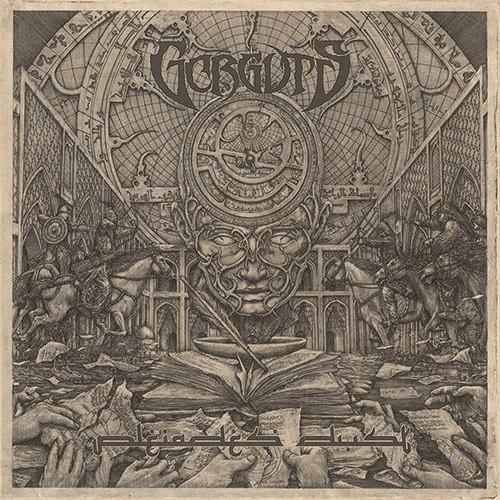
3. Gorguts – Pleiades’ Dust
gorguts

Gorguts was last seen in my Top Albums of 2013 with their full-length, Coloured Sands – reaching the number two slot on my list. While I often don’t like to count EP’s as an album, Pleiades’ Dust stands out for being such a work of art I’d hate myself for not giving it proper recognition. The album forms a historical experience about the House of Wisdom and its destruction within a thirty-three minute song that is broken up into several movements. While Gorguts still stick with their technical death metal roots, the experimentation – and the overall experience – is an absolute joy.

Listen to the full song/album here:
https://gorguts.bandcamp.com/album/pleiades-dust

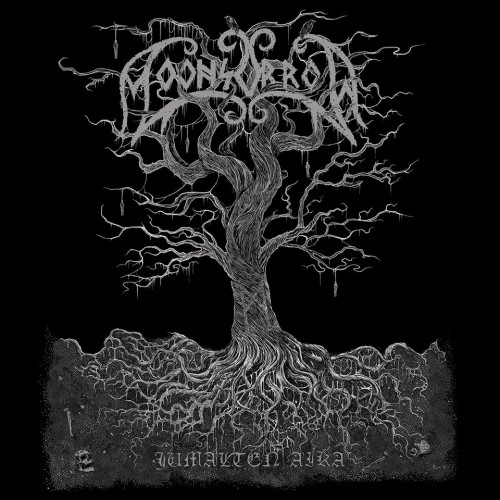
2. Moonsorrow – Jumalten aika
moonsorrow

I first got into Moonsorrow when I first got into metal. In fact, I learned about them when they were first starting out. I dug their first three albums (I started with Kivenkantaja) and fell in love with the band. And they’ve only become better over time. With their seventh album in place, these pagan black metallers have created another success. “Mimisbrunn” may just be one of the best songs they’ve ever written.

Check out the music video for “Suden Tunti”:

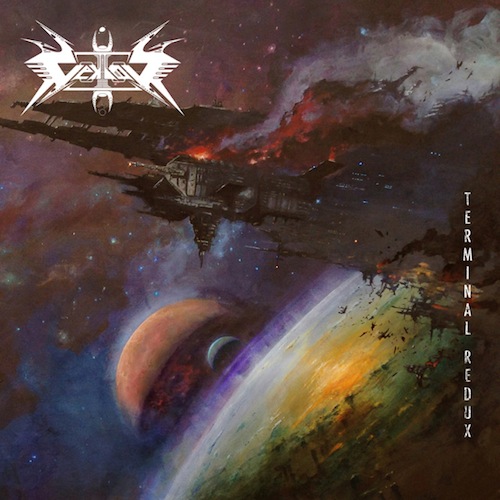
1. Vektor – Terminal Redux
vektorterminalredux

The gap between my second place album and this spot is gigantic. I don’t think there has been an album deserving a number one slot as much as Vektor’s Terminal Redux. I cannot say enough good things about this stunningly brilliant, progressive thrash album. I’ve been gushing over it since its release in May and am still excited listening to it.

The concept is grand, if not surprisingly ambitious for the thrash genre, but these guys make it right. While the lyrics are deep, intellectual, and well-written, the music is on a league of its own.

Lightning-fast riffs with tremendous variety makes the album refreshing to listen to on each spin; vocals representing the agony of the traveler and his yearning to learn more – as does the music want the listener to do. Nothing is stale and everything is wonderful. With the addition of female soul singers during integral parts of the story, the album begins and concludes with such choral ferocity, I still get goose bumps when I’ve fully invested myself into the album.

From the first track, “Charging the Void” to the incredible finale with “Recharging the Void,” Vektor brings the listeners on a wild journey through the far reaches of space all in the span of nine pulse-pounding songs.

Vektor’s Terminal Redux. I simply cannot say enough good things about this album. It has easily become one of my favourite albums ever to have graced my ears. It is now one of my favourite albums of all-time. An epic masterpiece worth your attention.

The incredible opening track to my album of the year, here’s “Charging the Void”:

Honourable Mentions:

Testament – The Brotherhood Of The Snake

Opeth – Sorceress

The Neal Morse Band – The Similitude Of A Dream

Anderson/Stolt – The Invention of Knowledge

Fates Warning – Theories of Flight

Amon Amarth – Jomsviking

Most Disappointed:

Dark Funeral – Where Shadows Forever Reign

Radiohead – A Moon Shaped Pool

Megadeth – Dystopia

Riverside – Eye of the Soundscape

Redemption – The Art of Loss

Dream Theater – The Astonishing

Levin, Minneman, Rudess – From the Law Offices of Levin, Minnemann, Rudess

Questions? Comments? Agree? Disagree? What have you?

Poetry Overlords Mk III

This’ll probably be the last bout of words spewed out of my fingertips on this subject. I feel the discussion and philosophy could go on for ages. If you want to continue the discussion, leave a message here or follow me on the Twitter machine. Let’s recap:

The TL;DR from the first two blogs:
Poetry Overlords: Reading poetry out loud is a lot like performing music.
Poetry Overlords Mk II: Music is more universally accepted than poetry because of rules imposed on language.

And Now!

What else am I going to babble on about? A recent study by a McGill University neuroscientist suggests there’s a group of people out there who have the inability to enjoy music.

As I’ve stated previously, unlike poetry, I feel music is a universal language. However, as shown above, there are some people who are not moved by this universal language. It’s interesting to me because music is a great way to express oneself to someone who may struggle to understand what is being said.

For example, if I told you something positive and happy in Russian and you didn’t speak Russian, you would not understand me.

If I played something in a major scale, no matter what culture or background you have, you would feel the positive energy exerted from the music.

Unless you have an inability to.

You’re Not Making Sense

Well I’m trying, damn it!

With both poetry and music also considered forms of art, it can be understandable when someone does not “get” something. Not everyone would “get” classical music or “get” country music. However, one could still feel something from music. Whether or not you “get” classical music, you still get an grand, epic feeling when hearing Richard Wagner’s Ride of the Valkyries. Even with the music being written in the late 1800’s, it still feels grand and current. It does not feel dated.

Poetry, however, has a different hurdle when trying to feel it. Choosing particular words can make your work sound dated. Using a different language makes it non-universal. Sure, using cacophonous words or alliteration can help try and evoke some sort of audible sympathy for the listener. But if the message is not understood, then is that not a problem?

The Half-Assed Conclusion

As you can tell, there’s a lot of discussion to be had with these ideas. Performing poetry should just be as important as having the right words and language in the poem itself. The main problem I’m finding is that not everyone will “get” it because it is not properly understood.

Going back to the first blog on this subject, I had to explain why I was reading and performing Robert Herrick’s “To the Virgins, To Make Much of Time.” Will there ever be a time where I would not have to explain myself?

So I’m left to ask: where does poetry stand in the world of language? Will it never be truly understood?

Or am I just wasting my time on this?

Poetry Overlords Mk II

Since my last blog entry, I’ve been stuck exploring the intriguing comparisons between poetry and music. I don’t know why, but I just am! And if you haven’t jumped on the “Follow UncannyDerek on Twitter” bandwagon, you’re missing out. Sort of.

Here’s the TL;DR version from my last blog:

Reading poetry out loud is a lot like performing music.

New Thoughts. Little. Yellow. Different.

Now what?

This next part is going to stir some debate, I’m sure, but try to follow me here.

As a musician, I personally find that with music I could record absolutely anything and put it out to the public. I could guarantee it would be understood and appreciated by people.

Take for examples, Fantômas – Suspended Animation (2005) or Devin Townsend – Devlab (2004). Both albums are ambient noise and rather chaotic to the listener. But I really enjoy both albums. There’s no real “sense” to each album and they’re both dramatically different from one another. For the average listener though, there’s no real construct or sense to them. For the most part, I’d confidently say that many people would dislike those albums.

Breaking down the instruments and themes, sure, one could find the inspiration and technicalities built within the albums. That being said, both albums can be difficult to listen all of the way through.

So, Poetry?

Right! So, this is where things get debate-y.

As I said, with music, it could get published despite how normal or bizarre it sounds (as with my examples found above). There’s an audience for everything in music. But with poetry and literature? I think it’s a bit more complicated than that. Sure there’s an audience for everyone, but. . . well let me explain.

There is a certain “universal standard,” per se, that is set with literature in which I think music is removed from. Due to “rules” in literature, a missing period could make or break a sentence. Paragraphs can’t be scattered too far as it could confuse the reader. The lack of capitalization could misplace titles or nouns. I could go on.

Now hold on a second because I know you’re already beginning to think of counter-arguments to mine. That’s good, because I had them too.

Let me yank out a few popular lines from Gertrude Stein’s Sacred Emily which appeared in Geography and Plays (1922).

Color mahogany.
Color mahogany center.
Rose is a rose is a rose is a rose.
Loveliness extreme.
Extra gaiters.
Loveliness extreme.
Sweetest ice-cream.
Page ages page ages page ages.

So to start: this is a Canadian blog and she spelled “colour” wrong.

Okay, I’m kidding. But we can see – as readers – how some of the lines, when they are read individually, seem like incomplete thoughts. The final line, “Page ages,” is repetitive and has no commas. It looks strange to the reader and requires some attention when performing it out loud. Should “Color mahogany” have a colon to read “Color: mahogany”?

While Stein’s poem can fit under the same category as the Fantômas and Devin Townsend albums posted above, I feel it is much harder to cater to a literary audience than a musical one due to what some could say “universal standards” put in place with reading.

Someone listening to an album can (mostly) understand when they hear guitar, drums, saxophone, trumpets, piano, or vocals.
But when someone reads or performs poetry, grammar and understanding can get lost in translation.

To ALMOST Conclude

I can play a guitar solo – regardless how awful it would be – but people would still understand it as a guitar solo.

I can perform poetry – regardless how chaotic it would be – but people would have a difficult time understanding it.

With these “universal standards” put in place with reading, such as periods needing to come at the end of sentences, I feel many readers and listeners to poetry may just miss the point. As someone who goes to poetry readings, I often get scoffed at when telling people I’m going. Is it because they think poetry is pretentious, or is it because they simply don’t understand it? Would a “universal standard” to poetry help? Is there even a way to create such a thing?

There’s nothing really conclusive here. It’s more meant to stir the pot and flesh out more ideas.

What are your thoughts on the matter?

Poetry Overlords

Not too long ago, I attended a poetry reading in my city. I’ve attended many over the years, but one thing had always made me cringe: the way some poets read out loud.

Stopping Here

My feelings towards this are entirely subjective and based on the fact that I am completely insane.

There are a few poets who do drone on monotonously when they speak. I do enjoy that when droning is actually part of the poetry they are performing (more on that soon). But other times, it simply does not work and whittles me down to nothingness (I’m over-dramatic).

I’ll touch upon this image later. But first,

I Gotta Backtrack

In my first year of University, I attended and performed at a poetry reading. I remember “covering” Robert Herrick’s famous “To the Virgins, To Make Much of Time” (aka, “Gather ye rosebuds”), and gave it my own personal meaning. I had not known the poem was so popular (and to this day, I still haven’t seen Dead Poets Society).

Anyway, I explained to the audience what the poem meant to me. I read it how I felt it should have been heard given my explanation to why I chose the poem.

Fast Forwarding to the Now

When I attended the poetry reading the other day, as I said above – the way some poets read make me cringe.

I feel as if the words being read could have an entirely different presence or meaning had only the poet changed the tonality of their voice or had someone else read their story for them.

As some people may already know, I’m a musician. I enjoy lots of stuff, ranging from ambient noise, to death metal, to classical, to jazz. I’m all over the map, really.

While writing the other night, it occurred to me how writing poetry is similar to writing music. You need the right words or “notes” to make everything flow together properly. But it was the idea performing poetry which struck me. I ended up writing out something about jazz and poetry. As an aside, I should add there were no poets the other night that did drone on at all. My ideas just came to me as I wrote my own dribble.

Poetry & Jazz?

From my notes:

Performing poetry is much like performing jazz.

As with music written down on paper, there is no sound when reading poetry. The poet is left to be a slave to the words on the page in front of them. It is up to the poet – or musician – to emote what is on the page.

When read out loud, poets will interpret the sounds like how a jazz musician performs a song when they feel it out loud. It transcends the page.

Like jazz, poetry has an infinite amount of emotions and relies heavily on the performer.

In a way, one would not be reading poetry out loud, but rather singing it.

“Jazz isn’t dead. It just smells funny.” – Frank Zappa

Whoop-de-do

Big whoop, right? So what I’m saying is when reading poetry out loud, one should approach it like a jazz musician – add their own feel and emotions into it. When I read Herrick’s poem out loud many years ago, I gave a rationality to why I performed it the way I did. I made it more than just words.

While I said how monotonous droning does work for some poets, others just do it because it may just be “words” to them. Now that is one big assumption on my part (see image above), and poetry can be entirely subjective. But I’m sure it would not hurt for someone to add extra feel to their performance. After all, I, for one, do not welcome our new poetry overlords.

Don’t forget to yell at me over on Twitter.