Project Renegade – Order of the Minus Self-release
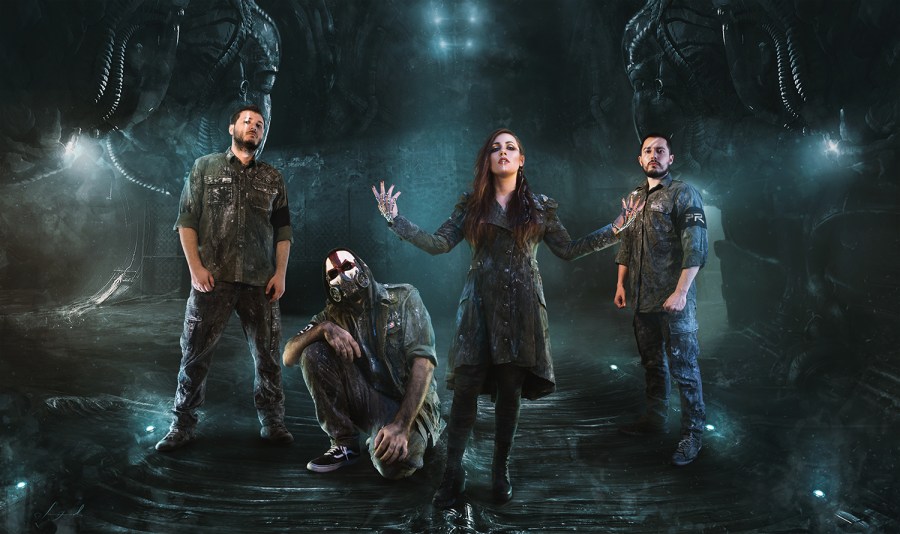
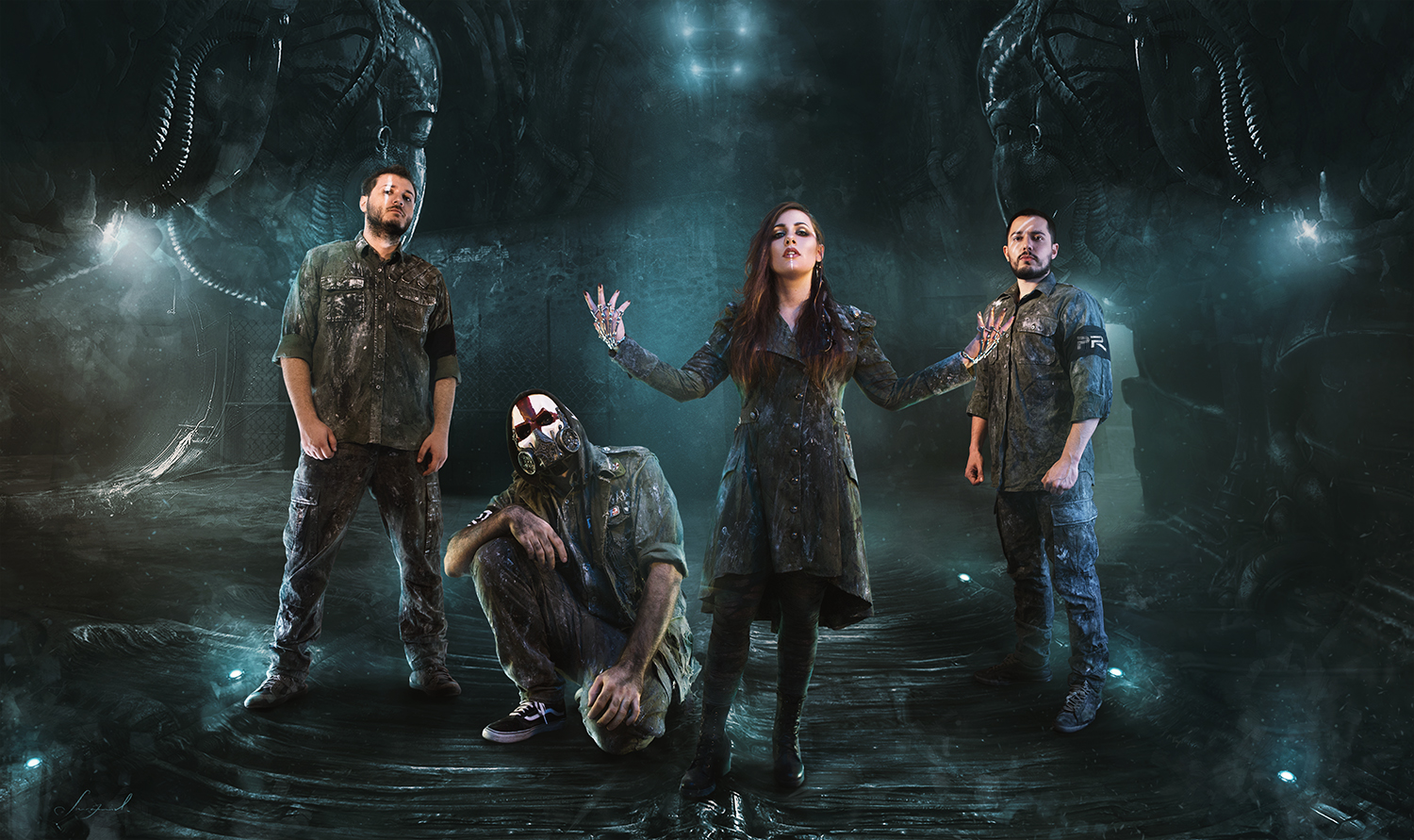
Out of Athens, Greece comes Project Renegade – a four-piece metal band which borrows from various genres and blends them into a cohesive sound. Released in the latter part of 2019, their first album, Order of the Minus, brings a mix of electronic, industrial, symphonic, and ambient elements to cement a pretty solid debut.
Order of the Minus opens with the electronic and ambient elements in The Big Boss then envelops the listener with one of their singles off of the album, Liber8. Vocalist, Maria Ioanna Florou, flourishes with a welcomed level of harmonies. The back and forth between samples in the song and Marianna’s singing balances well and feels natural. The feat in the first song continues throughout the rest of the album which surprisingly doesn’t begin to feel repetitive. There’s something going on there.
The album features some incredibly uplifting choruses which could almost confuse the band with power metal. Yet Project Renegade is anything but that. Both rock and heavy metal powers through each song and rarely gives the listener any down time. While songs like Sylar may showcase more restrictive guitar riffing from guitarist Nick K., it’s moments in songs like it which let both the guitar and electronic tones shine through – reminiscent of something off newer Evergrey albums.
Songs like The New Joker or the bridge in the song The Strain, offer some great variation within the album, showcasing drummer Odey and bassist Jay away from the vocals and guitar tones. That’s not to say there’s too much vocals and guitar. In fact, the mix of the album, given how electronic-like it began, does blend extremely well.
Nothing on Order of the Minus feels overproduced or exhaustive. The levels and balancing act in the mix are darn-near perfect. After a few spins, I still struggled to come across any faults with their sound.
If there was anything that came as a surprise to me was the flow of intensity from transitional songs: The Big Boss and A Demon Has Escaped the Triangle. Both transitions featured builds that I felt ended with a whimper. I had expected them to blow right into the next song with full force, but I felt they ended up taking the wind out of the sails. They’re not bad transitional songs – I just felt they didn’t transition well which is surprising given how well every song transitioned into the next, like The Strain into Respirator, or The New Joker into In Another Life.
That being said, the final and longest song, Black Mountain, features some of the coolest effects and transitions in the album. The slow, symphonic and harmonic build, “in search of a harmony,” finds itself as one of the strongest songs, ending the album on a high note.
With an extremely solid debut, Project Renegade’s Order of the Minus brings together a lot of varying musical styles together which can appeal to various listeners across multiple genres. Order of the Minus is a welcome surprise.
Black Sun Ωmega – The Sum of All Fears Self-release
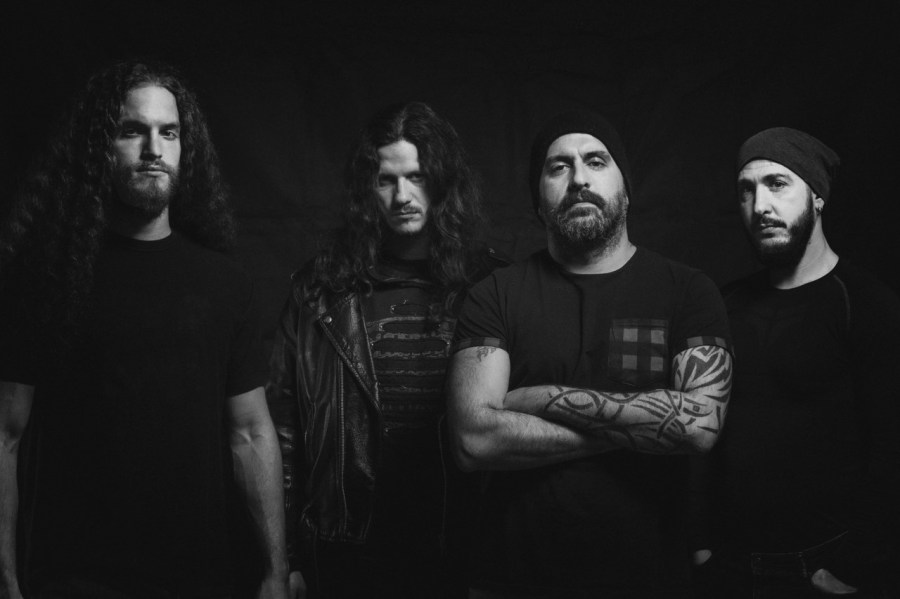
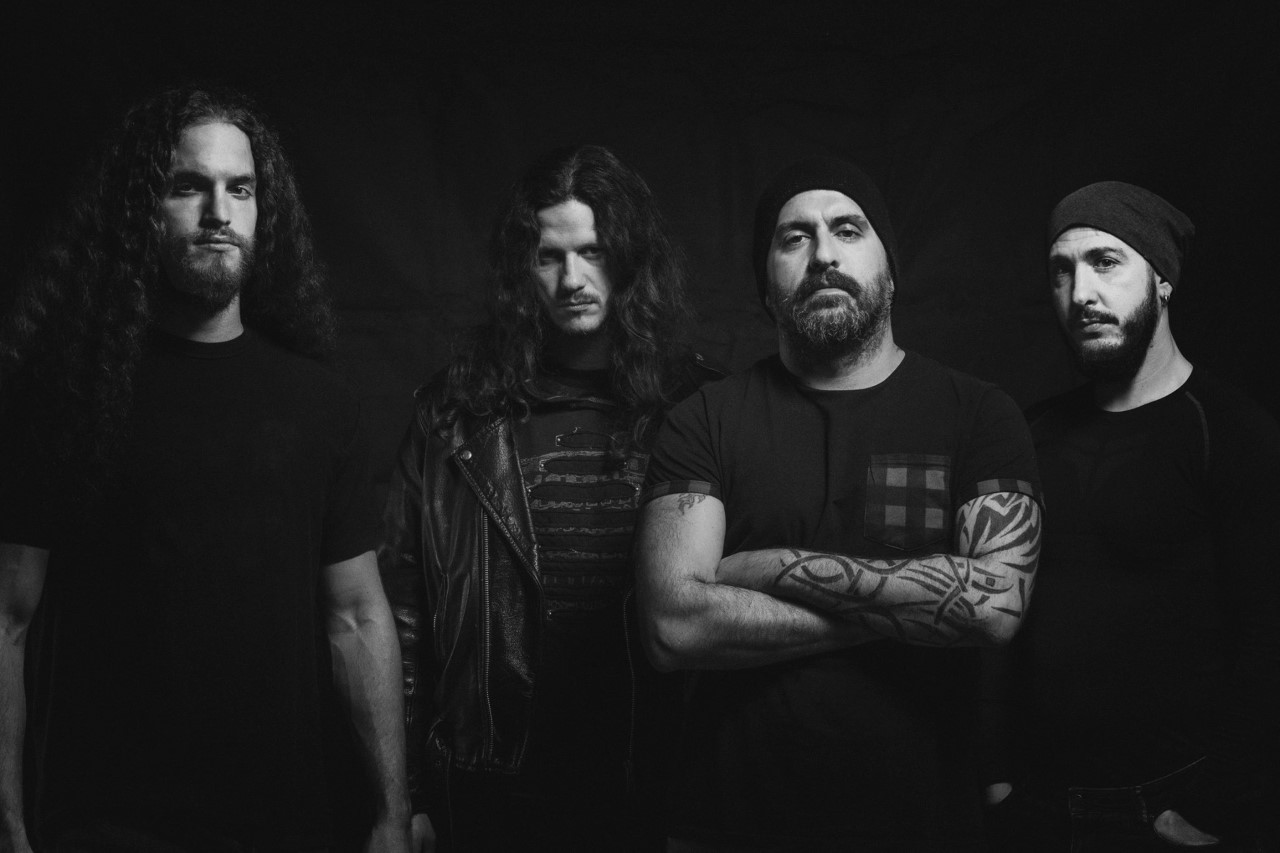
Released in December of 2019, Black Sun Ωmega’s debut album, The Sum of All Fears, is old-school thrash metal in a new age.
Mixing both thrash and death elements, Black Sun Ωmega crushes the listener with speedy riffs, pounding percussion, and dirty, raspy vocals.
Songs like Flowing Hate keep your head pounding for a near-six minutes. Hefty riffing and pull offs from both guitar and bass make for an incredible, pulse-pounding good time. Down My Sight is devastating right from the get-go. Like it, most songs evoke the listener to chant along, raise their fists, and run around. If an album can make the listener want to get moving like this one does – mission accomplished.
As for the mix, while I’m never expecting newer Overkill or Testament levels of production with a band’s debut album, The Sum of All Fears feels like a cross between Venom’s vocal styling and early-Voivod recordings, leaving a bit to be desired. As a baseline, the album does feel underground, but not as polished as thrash albums from underground bands like Power Trip, for whatever that’s worth.
However, Black Sun Ωmega’s songs rip. Hard. Ground of God, Arena of Souls, and World’s Demise stand out as what I feel to be the most powerful tracks – especially with World’s Demise guitar solo absolutely slaying. The musicianship is incredible and it certainly shines with each song – there was clear thought and care put into the written songs.
An incredible debut from this Greek band, Black Sun Ωmega’s debut The Sum of All Fears is something worth waking up in the morning to as it will kick your ass into high gear.
With a bit more polish in the back end, I can see these guys making waves.
Video games have been permanently ingrained into culture. I’m sure everyone can recite the first seven notes from Nintendo’s 1985 Super Mario Bros. or can remember the creepy yet hastily descending “doots” from Space Invaders.
While those songs are certainly memorable, I personally do not consider them to be “great.” What defines great? That’s a matter of personal preference. Do not let me tell you what to enjoy. However, this is my personal list of the Best Video Game Songs – NOT soundtracks – that I could come up with. In no particular order:
The Legend of Zelda: Ocarina of Time – Hyrule Field Main Theme (Nintendo 64 – 1998)
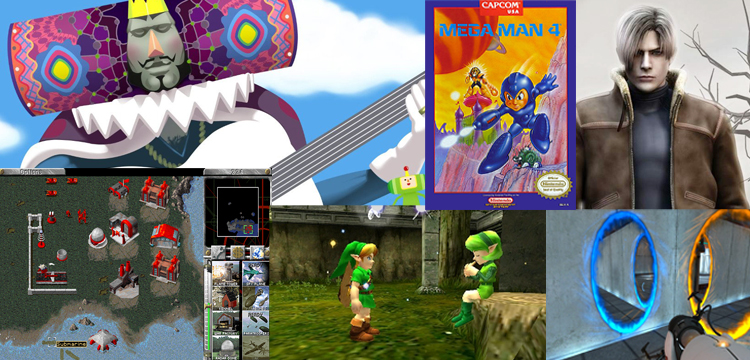
There’s two games that “blew me away” when it came to their open world. One game was The Elder Scrolls IV: Oblivion when you leave the prison (you folks know what I’m talking about). But the first game that really impressed me was The Legend of Zelda: Ocarina of Time. One reason was because I had never played a video game like it before. The other reason was because of the incredible theme that accompanied the first appearance of this “open world.” The field of Hyrule was my playground, filled with places to explore and had danger afoot. The music manages to encapsulate the feelings of wonder and excitement of exploring.
Mega Man 4 – Dive Man (NES – 1991)
With such a wide arrangement of Mega Man games to choose from, why Dive Man’s stage? Dive Man’s underwater level hits a few points home: the low bass tones emphasize the deep water within the level. The lead MIDI has a bit of a strange ring to it when it peaks, suggesting to me the villainy behind the level. The song also builds up and builds down both flawlessly and seamlessly. I could hear the song play for hours and not expect an “ending” per se, from it. It’s one of the few Mega Man songs that will pop into my head from time to time and really make me want to hop back onto my NES and lose an hour in the game.
Command & Conquer: Red Alert – Hell March (PC – 1996)
Some people may say Metallica was their first encounter with heavy metal music. But if you lived in a shell like I did, you either first heard it from Doom or Command & Conquer: Red Alert. The Hell March is a literal staple in video gaming. The sluggish, hefty bass riff leads the charge (or march) with a steady 4/4 drum beat and distorted guitars. Verses, while mostly simple chugging riffs, evoke thoughts of the battles between a Mammoth Tank vs. a Tesla Coil, or attack dogs mauling down an enemy spy. The theme was updated in both sequels of the game, but there’s a simplistic nostalgia from the original theme that cannot be replicated.
Homeworld – The Beginning and the End (PC – 1999)
Homeworld is widely regarded as having one of the greatest soundtracks for a video game. As one of the first songs in the game, The Beginning and the End, brings me sheer bliss. This real-time space strategy game introduced a full X, Y, and Z axis to gaming – a feat for its time. Composer Paul Ruskay managed to create a brilliant track to get the user familiar with the gameplay mechanics. The peaceful song not only keeps the player cool during the tutorial, but also establishes the true vastness the game brought – you’re in space after all! This song has been on repeat at my home for years as its calming effects are trance-like. It is hands-down one of my favourite songs ever.
Stardew Valley – A Flicker in the Deep (PC, Switch, PS4, Android – 2016)
It’s short, it’s sweet, and it’s my favourite song the soundtrack has to offer. In its wide variety of moods, from seasonal themes, to battles, A Flicker in the Deep brings a sort of joy which I feel isn’t captured in any other song in the game. While it may be one of the shortest songs on my list, it’s certainly one of the most impactful ones.
Pokemon Red/Blue – Viridian City (Game Boy – 1998 US)
If there’s one song that always stood out for me, it’s the Viridian City theme from the original Pokemon games. Why? It kind of has a double meaning: at first, you enter Viridian City to get started on your journey. It’s the first major place you visit and get a feel for the game. It’s your established “base” until you make your way to the next city. However, Viridian City is also your LAST city in the game. You beat Team Rocket there and you make your way to the Pokemon League. The music, somehow, is nostalgic even while you’re in the game for the first time. It’s the first song to see you off, and the last song to see you go. With it’s peaks and relatively calming presence, it’s always cheering for you.
Terminal Velocity – Ymir Theme (PC – 1995)
3D Realms, folks. The original Duke Nukem, Blake Stone, Wacky Wheels, and more came from this company. Yet most people haven’t heard of the 3D flight simulation shooter, Terminal Velocity – which is okay! Let me bring you up to speed: you’re a ship and you shoot things. Now that we’ve got that out of the way, Ymir’s Theme, from level one, somehow made the gameplay feel a lot more epic than it actually was. With the heavy synth rising and falling over the industrial beats, you ended up listening to the loop multiple times in the level as you struggled to find where to go. To this day, the synths will make their appearance into my mind and I’ll just want to drop everything and shoot some tanks.
FTL: Faster Than Light – Milky Way (PC – 2012)
Whether you’re battling the rebels or making your next jump through space, FTL’s music is all something to awe over. However, Milky Way has a very calming, yet action-packed feel to it. The revving arpeggios from the beginning of the song continue throughout and end up becoming the background as lead instruments take over. The song is eerily simplistic, but rich with depth and lots of layers. A beautiful song.
Left 4 Dead – Tank Theme (PC, Xbox 360 – 2008)
I’ve spent many hours (days, even) playing L4D (Hi, Cherish and Andrew!) While it’s a short theme, you don’t even need to see the Tank coming to feel a sense of dread. The music does it for you. Operatic and booming, the Tank theme from Left 4 Dead, a “zombie” shooting game, absolutely strikes fear into the players. The main reason being: no one knows where the Tank, a super-strong Hulk-like “zombie,” is coming from. Valve built L4D as a game with no real “script,” meaning things don’t happen in an order – everything is randomized. A Tank can appear wherever. As such, it’s the music which really triggers the anxiety in the player – beginning you let the player fear what they cannot see.
Silent Hill – Silent Hill Theme (PlayStation – 1999)
Can anyone name me a song that’s both creepier and beautiful at the same time? I don’t think I need to say much about this one. It’s a classic. With traditional instrumentation and 90s synth, it’s an absolute wonder.
Resident Evil 4 – Echo in the Night (GameCube – 2005)
I may be biased, but Resident Evil 4 my favourite game in the series (I know, right? Please don’t fight me on it). As the game got drearier and darker, this theme played and wow. What a treat. The eerie, echoing howl right off the bat. The moody, dark tones in the background. Is that talking in the background or are my ears playing tricks on me? It’s an incredibly sinister song that is riddled with atmosphere.
Kirby’s Dream Land – Green Greens (Game Boy – 1992)
Kirby, man. What a guy (thing?) The song, Green Greens from the first stage is somehow playful, yet action-packed. It features a memorable lead that has an interesting twinge with it – enough to make it unique and stand out from other songs in the game.
Doom – At Doom’s Gate (PC – 1993)
Doom. Level One. You already know the song. Forget the Metallica influence. What can be said about At Doom’s Gate that hasn’t already been said? It perfectly captures the intensity, violence, gore, and speed which Doom is known for. A great heavy metal thrill ride, the loop of the song doesn’t feel exhausting nor does it begin to sound boring. As long as there’s bad guys to shoot, give me hell.
Portal – Still Alive (PC, PS3, Xbox 360 – 2007)
The end theme to Portal, the triumphant and hilarious song both wraps up the game and teases a future. It’s a painfully simplistic song, but it’s the lyrics and singing which certainly makes it standout – and original.
Katamari Damacy – Katamari on the Rocks (PS2 – 2004)
If someone were to ask me “What’s Katamari about?” I’d tell them, “You roll stuff up” and then play this track and walk away. That’s because I feel this song perfectly summarizes the enjoyment and amazement of the game. A joyful theme, it has enough strange in it to intrigue the listener to want to play. Great instrumentation, percussion, and singing, the song – and the soundtrack – puts a smile on my face. “La la la la la Katamari Damacy.”
Gunstar Heroes – Opening Theme (SEGA – 1993)
A triumphant opening to an arcade classic. Gunstar Heroes’ opening theme quickly fades into a grandiose anthem. With the spinning logo, the amount of sheer excitement one feels before pressing “start” cannot be ignored. The rest of the game’s music is great too, but the intro certainly takes the cake.
The crushing bass groove, technological babble in the background, and screeching metal throughout makes this song both original and powerful. When matched with the hefty bass sounds from the attacks in the game, it almost feels as if it’s part of the action. While this beast of a game was memorable for being a challenge for a lot of kids, I’m certain this song is memorable for the riffs within it.
Honorable mentions:
Sable Theme (PC – TBD)
There’s not much to be said yet about Sable. It’s an adventure game which is heavily influenced by the artist Mœbius. The song, Glider, is an original song written by Japanese Breakfast for the trailer. While there’s still no release date for the game, the song seems to at least capture the feeling of it.
Fallout 3 – Bob Crosby and the Bobcats – Way Back Home (PC, PS3, Xbox 360 – 2008, Bob Crosby – 1951)
While technically not a song from a game, the folks at Bethesda wanted to really make this post-apocalyptic world feel apocalyptic. How so? Digital music didn’t survive the nuclear fallout, only vinyl did. Crosby’s song somehow, ironically, manages to summarize the Fallout game perfectly.
I asked my brother what he felt were some of the best songs. He gave me this from Chrono Cross. Holy smokes, it’s great. The peaceful and calming music picks up after a minute and absolutely rocks. Taking advantage of the PlayStation’s higher audio capability, composer Yasunori Mitsuda knocks it out of the park. What a treat.
And that’s it!
Thoughts? Questions? Concerns? Did I miss a game? Is there something I should reconsider? Let me know in the comments below, or follow me on social media.
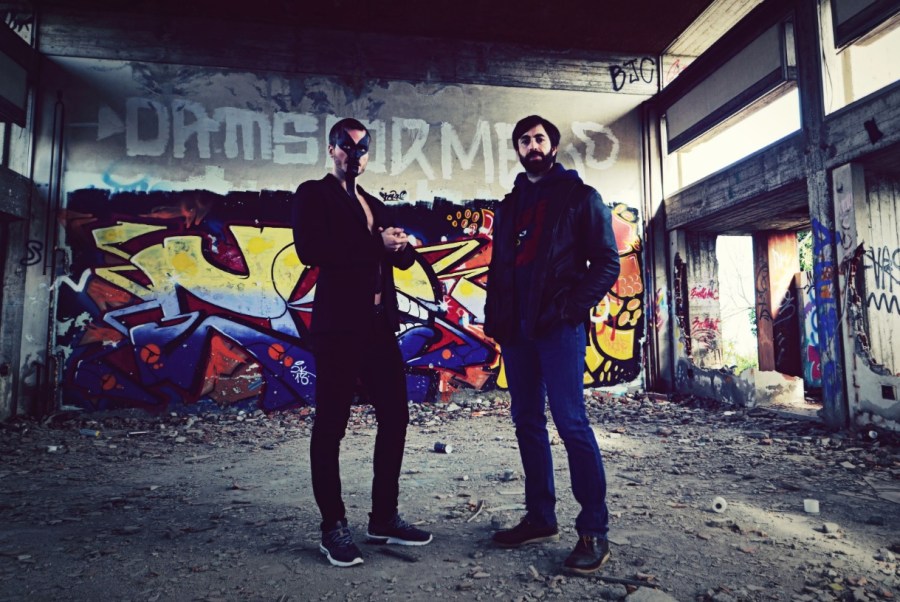
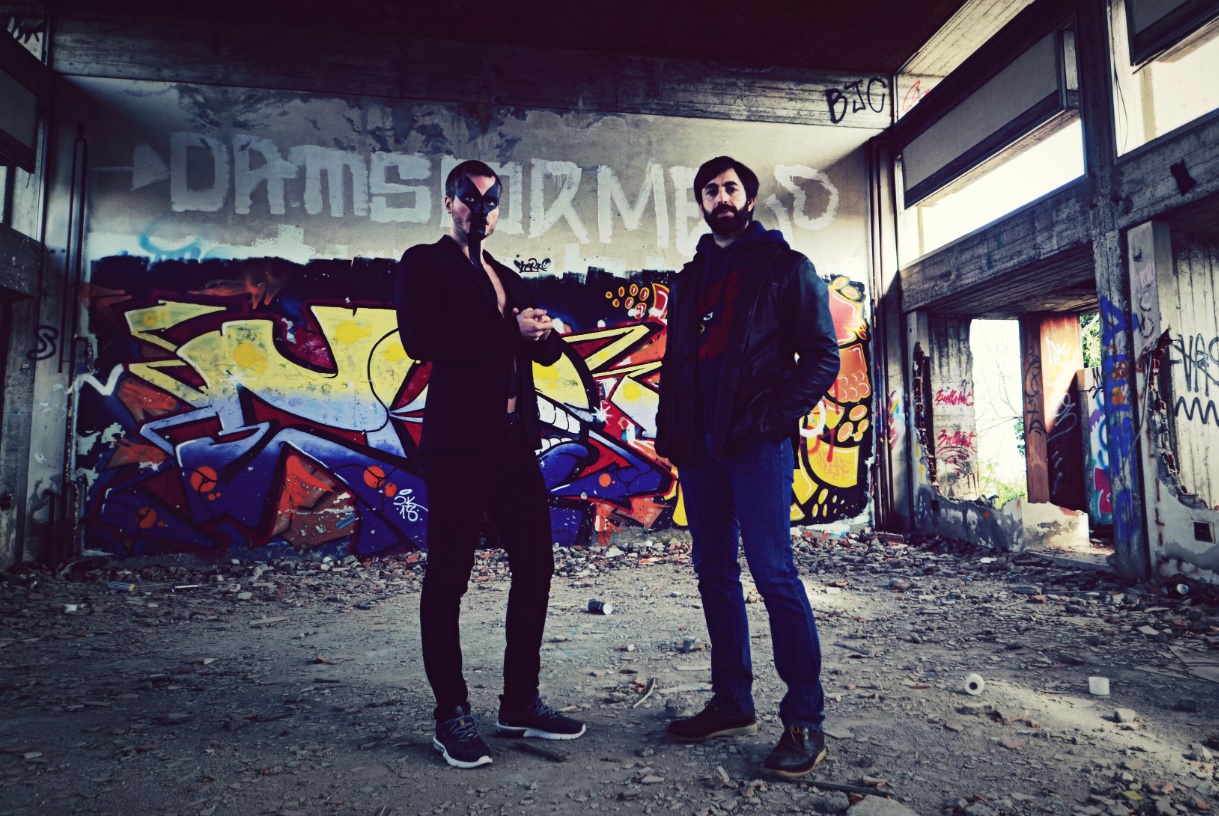
The duo of Sleepwait formed about four years ago after Filippo Bravi (vocals) and Mauro Chiulli (instruments) met on a webportal for musicians. Despite the 300km distance from each other, they dedicated themselves to producing an album close to their hearts. Clearly inspired from bands such as Tool and Alice in Chains, the alternative/grunge rock Sagittarius A* holds nothing back as it explores the influences between the two musicians.
Bookended by reflective The Left and Right Hand of Beauty, the real meat of the album lies within. Songs like the title track feel like a hybrid between Tool’s Lateralus and A Perfect Circle’s Mer de Noms. Yet further in, the album both expands and contracts between waves of emotions and anthems. The Doubt showcases both the rise and fall of those feelings, with production on the song somewhat distorted to add a feeling of unease to the listener.
A standout song for me was Istanbul, which pulled me back to the days of first listening to Kyuss’ Blues for the Red Sun. The grooves lead for steady head bobbing, followed by a great instrumental outro which hits me right in the nostalgia bone. Flowing into the samples of next song, The Prayer, the stoner rock groove continues for a great little trip until The Doubt brings up the tempo again.
Bravi’s vocals are an interesting blend between Maynard James Keenan from Tool and Serj Tankian from System of a Down. When emphasized, I hear Maynard; when calm, I hear Tankian. There’s a level of balance which Bravi manages to make work with the music. Most times, the vocal harmonies he provides offer different feelings, they hear like they are borderline on droning – which with certain guitar tones and riffs, almost puts the listener into a trance.
The album certainly feels thought-out and purposeful. Songs are placed in a particular order which makes the flow of the album a cohesive work. Nothing comes out as jarring, leaving the listener to sit back and actually be able to absorb the album as its presented. My first listen focused on nostalgia, while the later listens picked up on the smaller nuances the band wanted to achieve, such as the change of recording to the bass guitar in the track Constellations which I had missed before.
While Sagitarrius A* certainly doesn’t bring anything new to the musical table, Sleepwait, in my eyes, have established themselves as solid, competent songwriters and should be lauded for their admiration to their inspiration. While I feel the album does sound like it’s ripped right from the mid-2000s, so did Fear Inoculum. The difference is Sleepwait’s Sagitarrius A* is what I was expecting from Tool’s Fear Inoculum.
With a bit cleaner production and clearer definition of their own sound, I could see Sleepwait turning some heads in the prog rock/metal genre. Sagitarrius A* is just the beginning for this Italian duo.

 UncannyDerek