Review: Deathcraeft – On Human Devolution

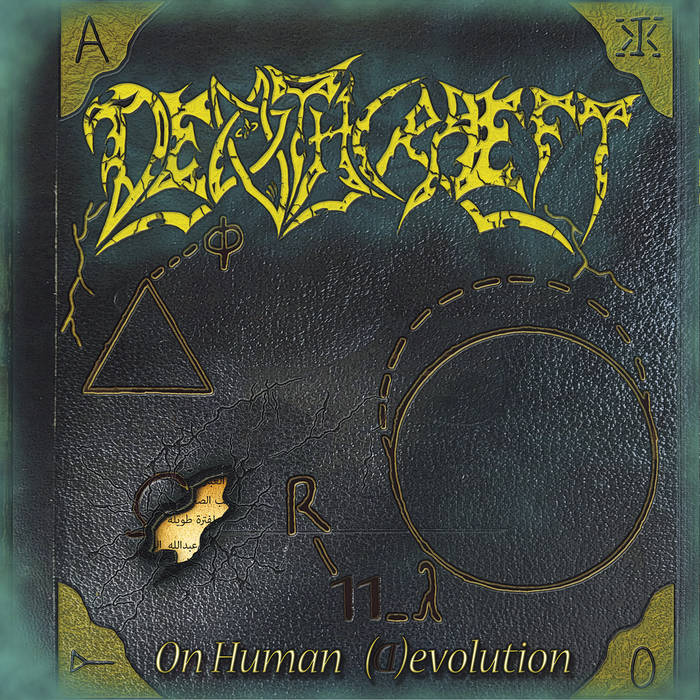
Deathcraeft – On Human Devolution
Self-release

Deathcraeft’s debut and concept album, On Human Devolution, features lots of juicy riffs and hefty blast beats with lyrics that explore the socio-political and self-destructing nature of humanity. With clear influences from Testament, Possessed, and Aborted come together, this Greek band offers a surprisingly genuine effort of great arrangements and solid songwriting.

While the The Ritual starts things off with lots of heft and thrash metal influence, The Beginning of the End really kick starts the album with brilliant riffs and chugging that are catchy as hell. The song also starts to showcase more death metal influences in the band while still holding its thrash-like feel – the guitar and bass sounds feel thick and heavy and filled with a groove that almost adds a Pantera-like influence to the song.

Spreading Lies fluctuates with tempos and provides a lot of different highlights throughout the song which feel naturally powerful with its upbeat, catchy chorus.

The fourth track, Welcome to Oblivion, features the closest resemblance to the Possessed/Testament-influence. The groovy descending riffs layered on top of the battering double kicks really strike the listener with intensity. The chorus has triumphant moments which do not detract from the brutality before it, and ripping solos compliment the chorus as it transitions back into the verses.

If there’s one major compliment to give, singer Nikonas Tsolakos offers a wide range with his vocal styles. Whether grunts, growls, screams, or gutteral whispers, there’s a versatile mix of singing provided on the album which keeps the album fresh and easily digestible for listeners who may shy away from the more lower range of death metal vocals.

While featuring one of the better solos on the album, Survival slows down the pace the album has been running with. As a six minute song, it becomes a bit of a fight to bring the album back up again with the next song, Daydreaming in the Abyss, which arguably could have been the slower song transitioning into Paving the Way. However, the slow down allows the listener a bit of breathing room to absorb what they’ve heard before and perhaps realize a lot of the riffs and songwriting had been thematic in many songs – something that can be overlooked and certainly is not common in the death/thrash genre.

With the longest song on the album, Free into the Void is the most climatic song on the album – fitting to conclude the 48-minute concept album off properly – as it closes with a dripping-with-mood conclusion. With some of the heaviest riffs and fastest double kicks on the album, the song’s outro ends rather triumphantly – almost pulling from the folk metal sub genre with feelings of Amon Amarth shining through.

Intense, brutal, and surprisingly progressive, Deathcraeft’s debut throws lots of surprises at the listener to make a impressively creative debut.

Deathcraeft – On Human Devolution

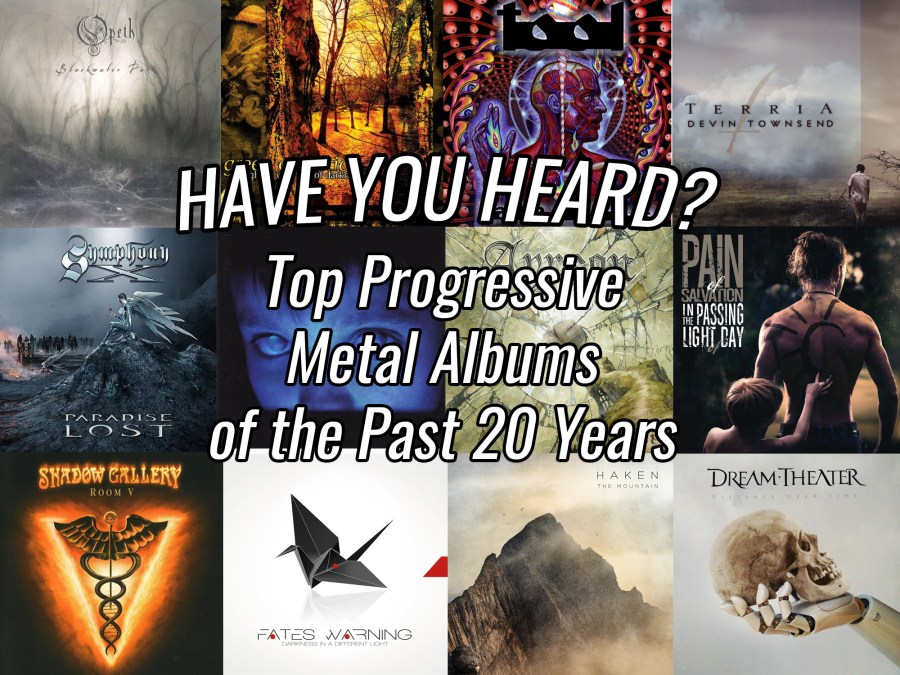
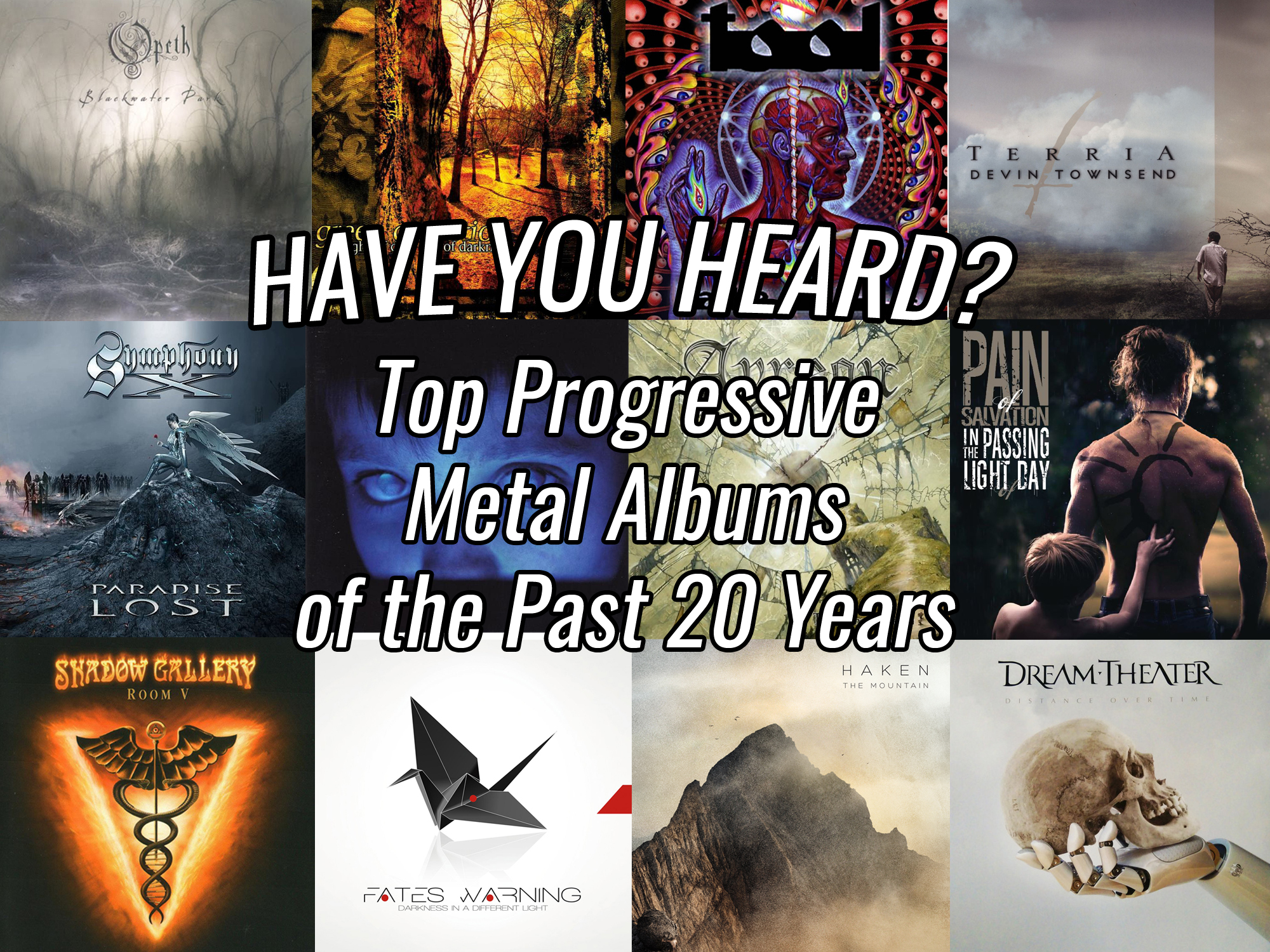
Have You Heard? The Best Progressive Metal Albums of the Last 20 Years

As one of earliest heavy metal subgenres, Progressive Metal has had a lot of time to grow, expand, and become even more progressive. Spawning in the early 1980s with bands like Queensryche, Fates Warning, and King’s X, the genre has become one of the largest and most varied forms of music. However, within the past twenty years there have been plenty of the of different albums – all offering something different than the last. Here, Uncanny Metal takes a look at some of the best Progressive Metal albums that have been released from the past twenty years.
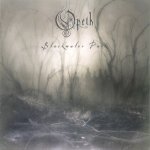

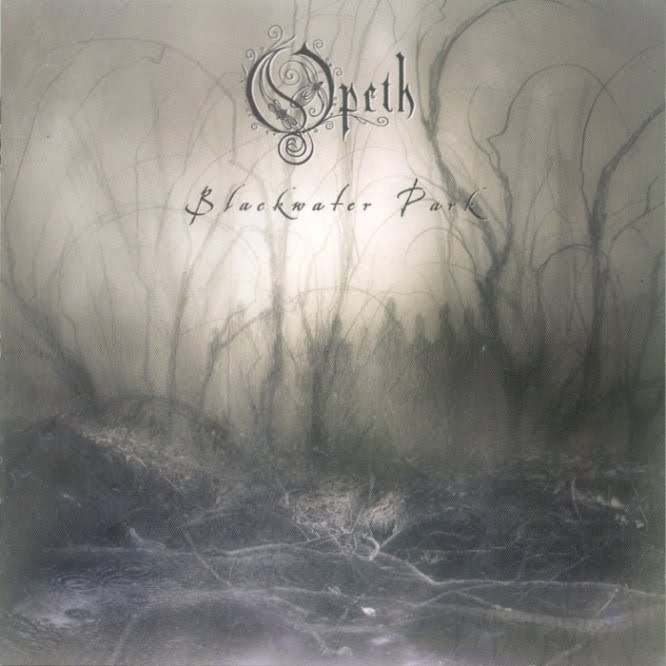
Opeth – Blackwater Park
Music for Nations, 2001

The Swedish band’s fifth studio album, Opeth’s Blackwater Park became a pivotal change of sound for the band. While 1999’s Still Life may be still considered the album with a shift in style, it’s with Porcupine Tree’s Steven Wilson mix/production on Blackwater Park that really added a sense of progressiveness to Opeth. With their following albums, Opeth style continued to evolve with its progressive and death metal tendencies. Standing back and looking upon the entire discography, Blackwater Park was ultimately considered the tonal shift for the bands future releases.
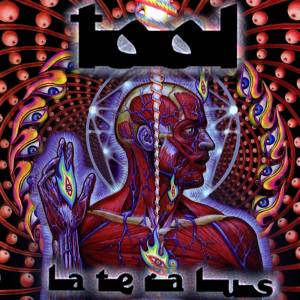


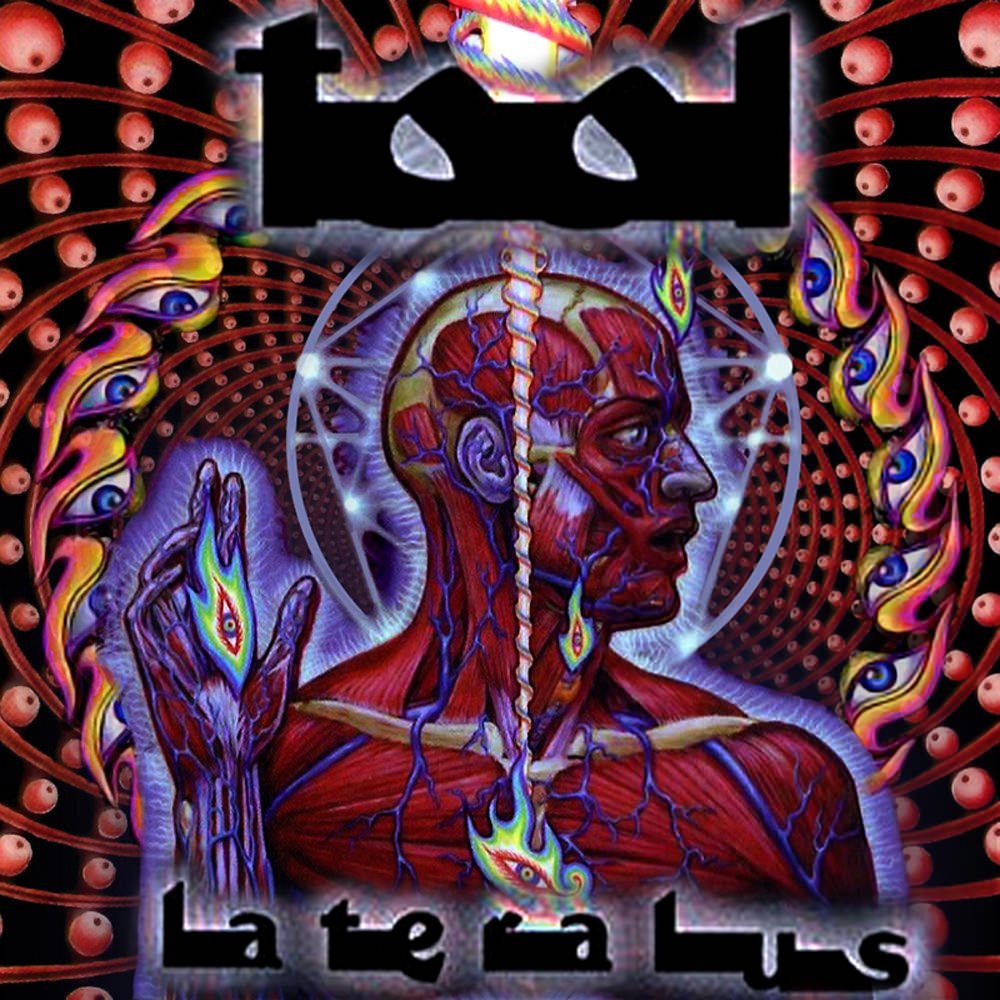
Tool – Lateralus
Volcano, 2001

Progressive metal and the mainstream never came so close to greatness as it did with the ringing bass lines to Tool’s hit single Schism. While previous albums were also progressive, Lateralus turned progressive metal even more popular and threw the already well-established band further into the limelight. While it was years later for 10,000 Days and Fear Inoculum to eventually see the light of day, Lateralus was the pivotal moment for music fans to unite globally.
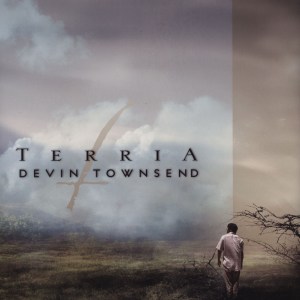


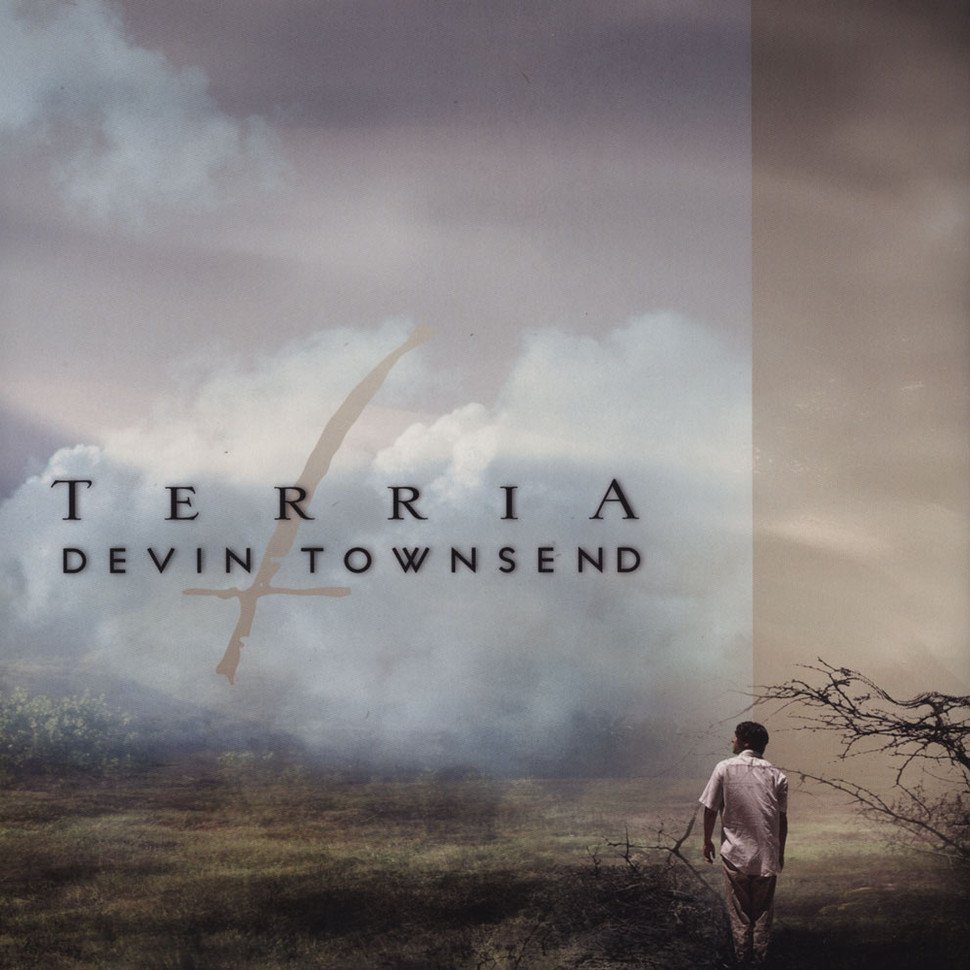
Devin Townsend – Terria
HevyDevy Records, 2001

After having worked with Steve Vai and establishing Strapping Young Lad with an outburst of extreme metal, Devin Townsend’s Terria – while probably not everyone’s favourite release, features some of the most intricate atmospheres from Devin’s signature “wall of sound.” A personal concept album and tackling mental health before the movement was in the mainstream, the ebbs and flows of Terria are astonishing with songs still resonating in relevance today.


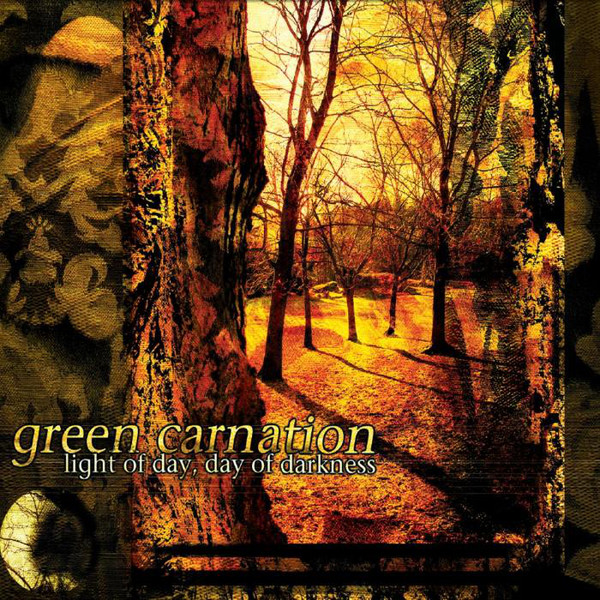
Green Carnation – Light of Day, Dark of Darkness
The End Records, 2001

Another album with a personal story, ex-Emperor bassist Tchort founded Green Carnation in the early nineties. With their second album, LoDDoD became not only one of the longest songs in the genre of heavy metal, but is also critically acclaimed among metal fans. Crafting an hours worth of music and interlinking it together to unfold a story of both tragedy and life, Green Carnation’s epic stands out as a musical achievement for those who let themselves become encompassed by the grand scope of the song.
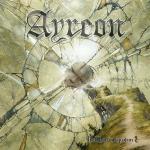


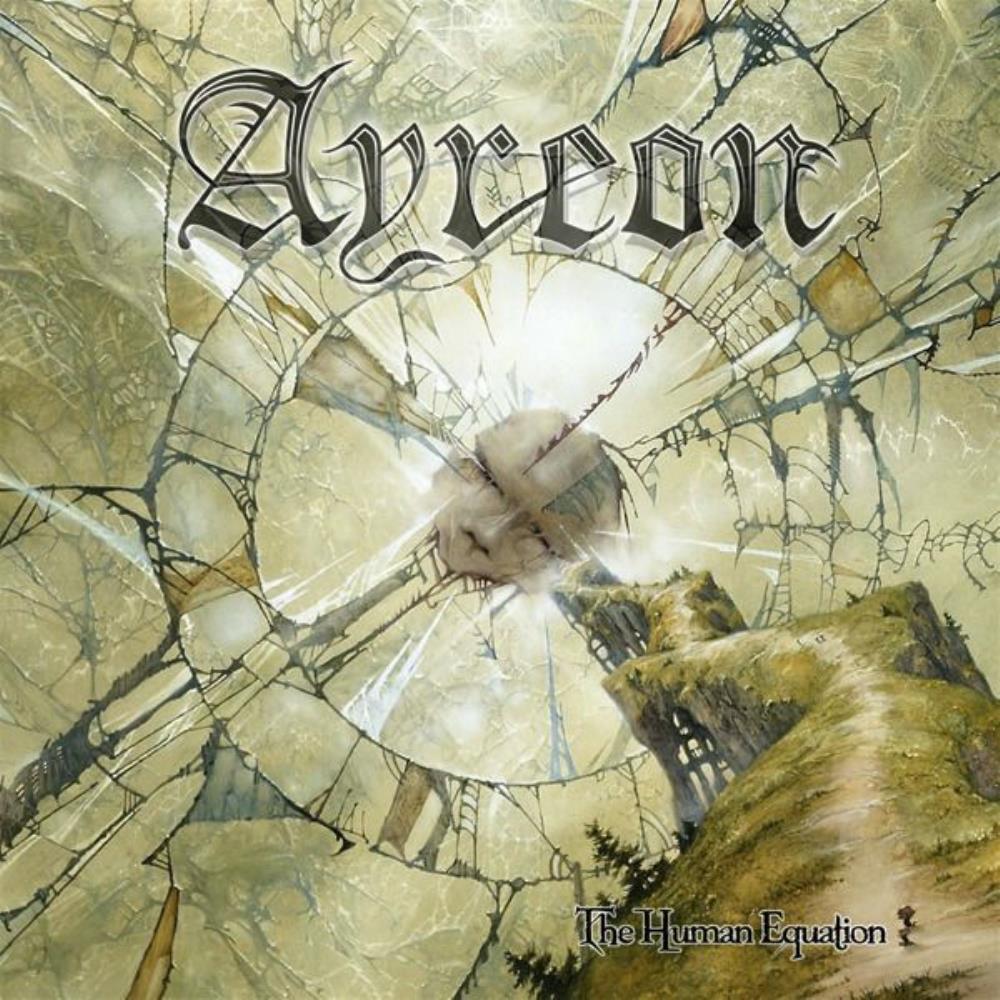
Ayreon – The Human Equation
InsideOut, 2004

After multiple science-fiction concept albums, Arjen Lucassen decided to try something a bit different and delve into the human mind. With multiple singers performing as different feelings such as Opeth’s Mikael Åkerfeldt as Fear, Mostly Autumn’s Heather Findlay as Love, and Devin Townsend as Rage, they battle within the mind of the character “Me” (by Dream Theater’s James LaBrie). The album not only tells a story, but actually features incredible twists and turns of regression, infidelity, and coming to the understanding of one’s self.
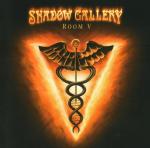


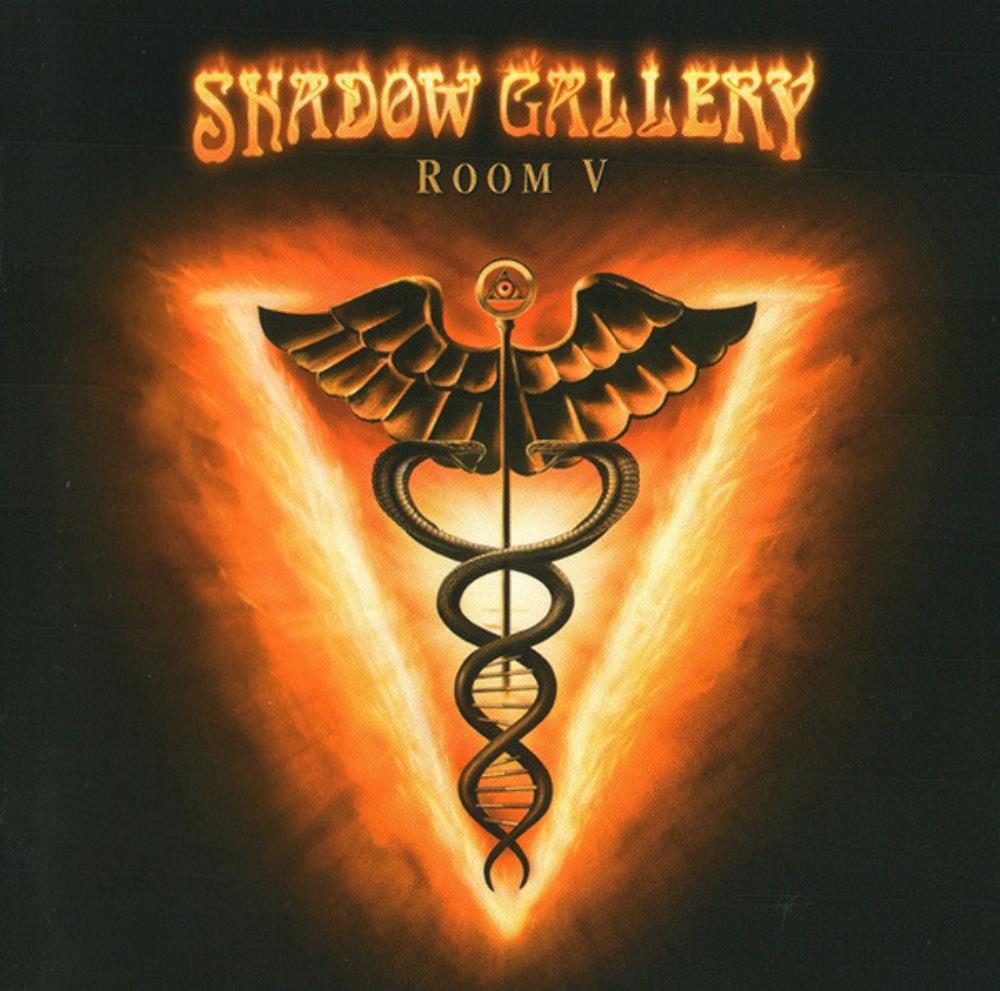
Shadow Gallery – Room V
InsideOut, 2005

The prog power band Shadow Gallery released their Operation: Mindcrime-esque concept album Tyranny in 1998, only to finish the cliffhanger of a story in 2005. While the concept may feel overdone now, the story and impact comes with a familiar X-Files vibe, with espionage and mystery surrounding almost every song. With impressive songwriting skills and the underrated Gary Wehrkamp on guitars, Room V stands out as a brilliant performance – especially from lead singer Mike Baker who passed away shortly after the album’s release.
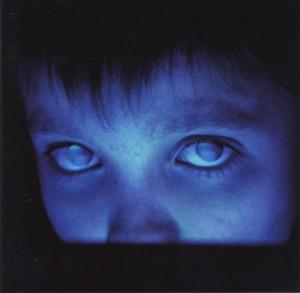


Porcupine Tree – Fear of a Blank Planet
Roadrunner, 2007

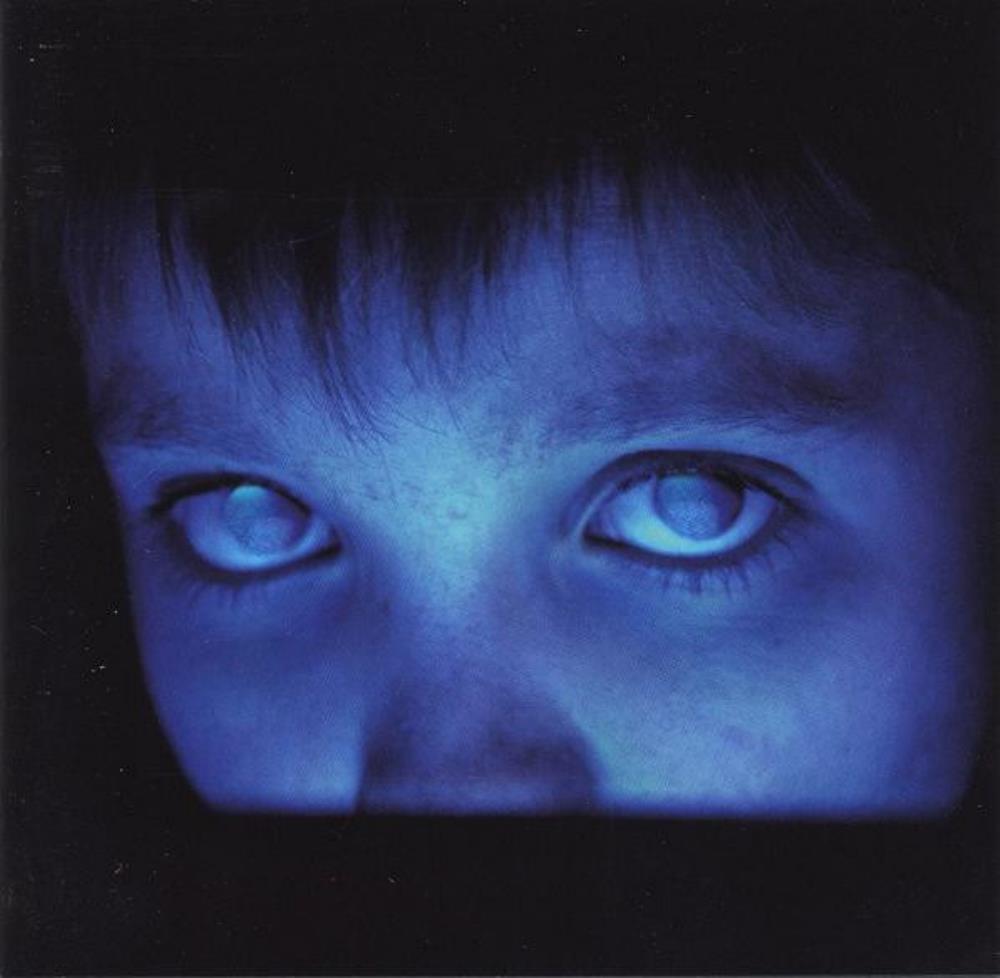
The last-great Porcupine Tree album, Fear of a Blank Planet is more progressive rock than it is metal – but it’s still hard to not find yourself headbanging along most of the tracks. With the gorgeous, near-twenty minute epic, Anesthetize, to the seductively heavy final track Sleep Together, Porcupine Tree’s theme on reflecting the exploitation and commercialization of drugs and its impact on the human mind, its deep and thought-provoking while still providing incredible music.
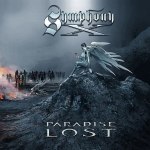


Symphony X – Paradise Lost
InsideOut, 2007

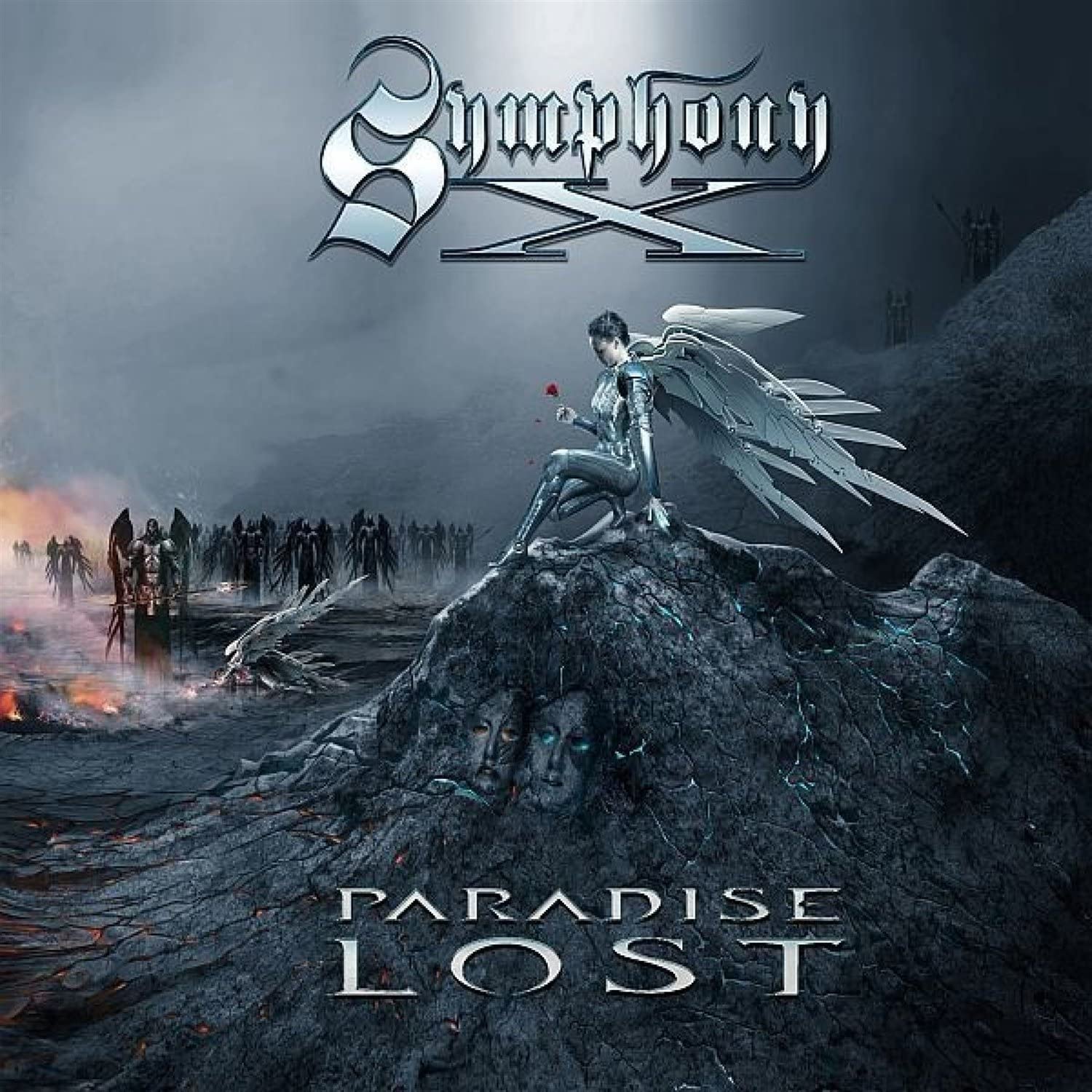
While 2002’s The Odyssey could also be on this list, it’s with Paradise Lost that Symphony X really gained their stride. After a five drought after The Odyssey – which ultimately suffers a bit from production issues – Paradise Lost comes in slamming hard and with some of the juiciest riffs from guitarist Michael Romeo. Every song features standout moments from each musician and the album just keeps hitting. Prog/power often gets a mixed reputation due to the power metal elements sometimes overtaking the progressive ones. With Paradise Lost, Symphony X nails that perfect blend with their songwriting.
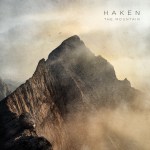


Haken – The Mountain
InsideOut, 2013

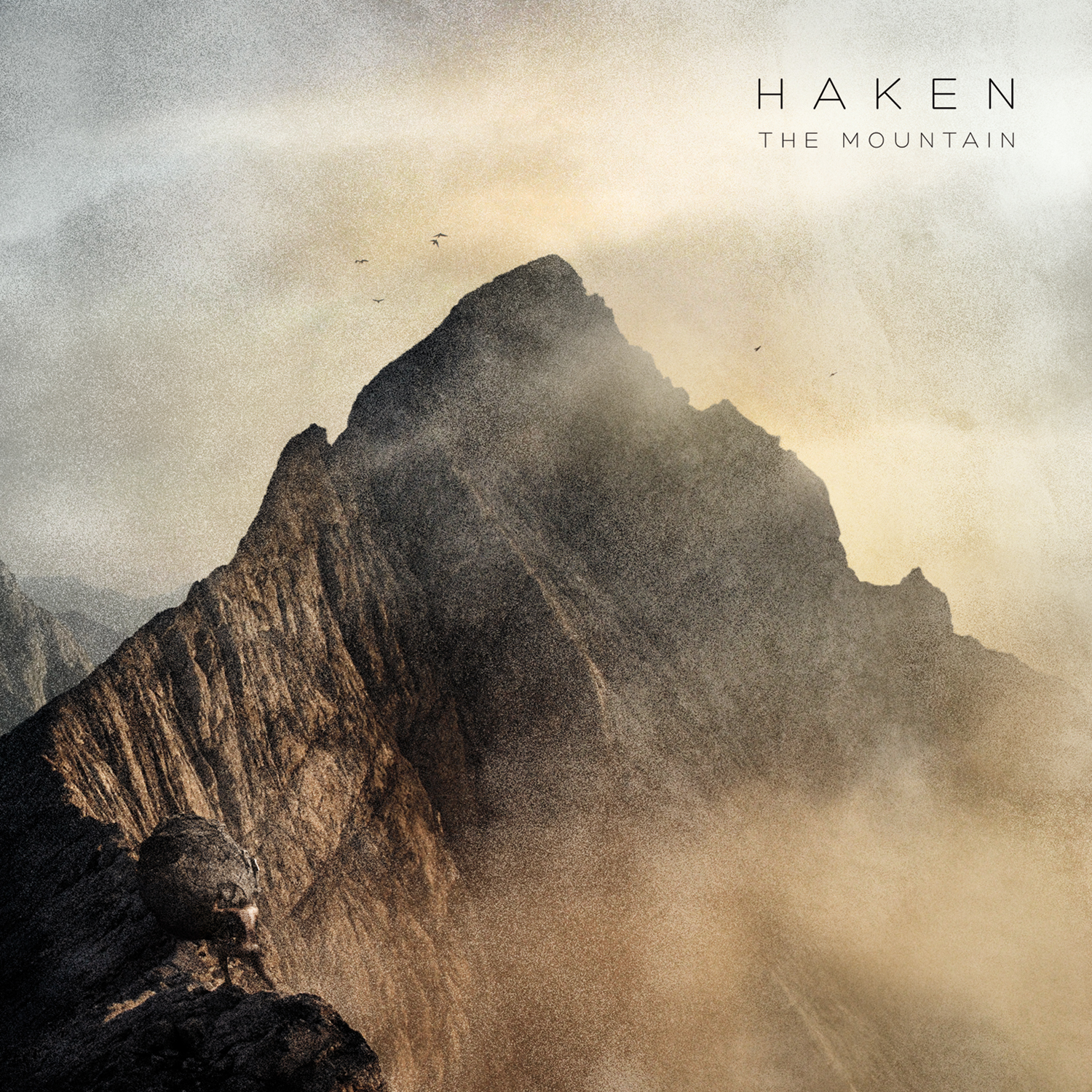
With their breakout third album, Haken’s The Mountain brilliantly constructs the 70s progressive sound in a modern time, almost coming across like a modern day Close to the Edge from Yes. With heavy influences from bands like Dream Theater, the album never really becomes too technical to the point of becoming overbearing. It’s tame yet still manages to impress on every aspect with melodies and vocal harmonies that will forever stick in your mind.



Fates Warning – Darkness in a Different Light
InsideOut, 2013

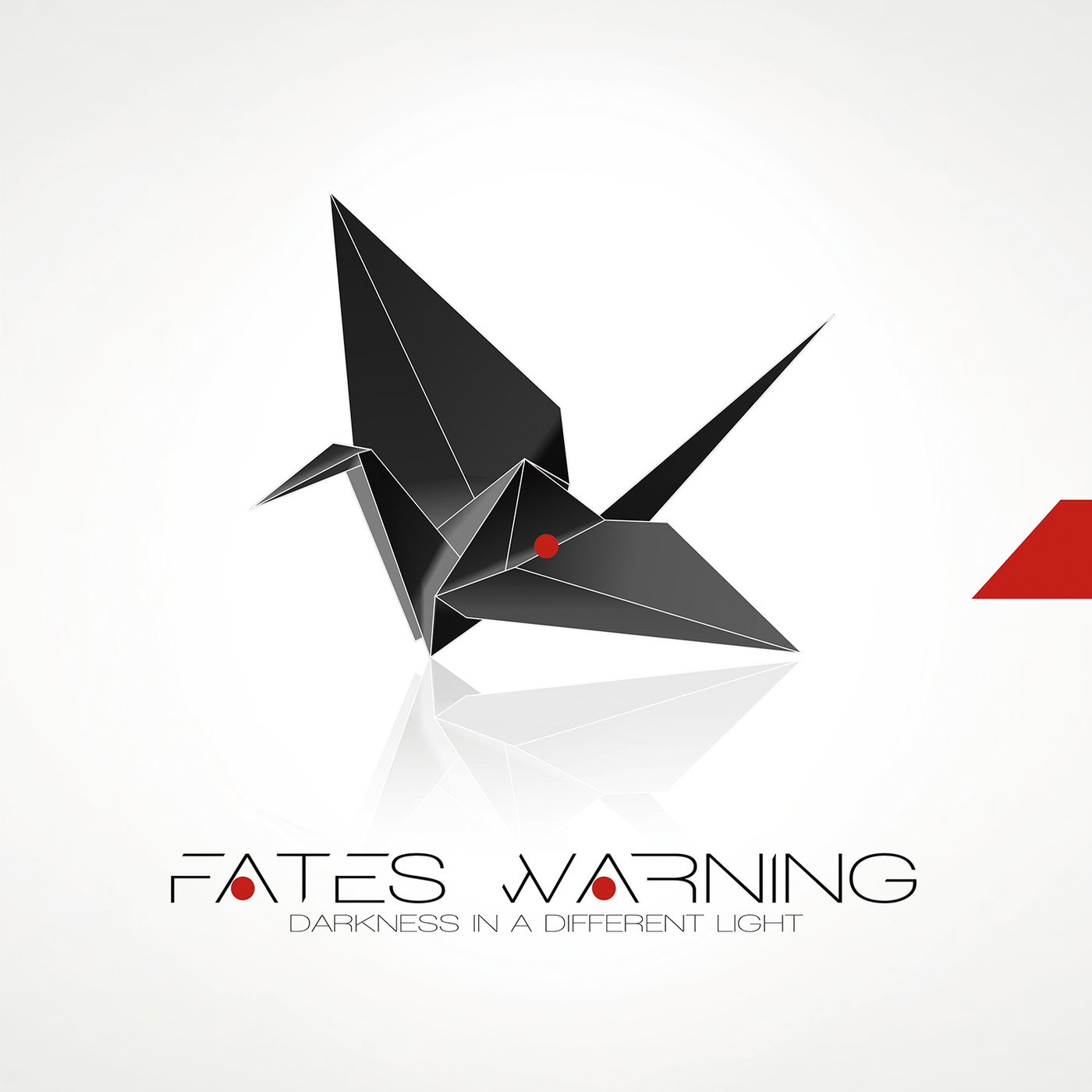
After 2004’s album FWX, Fates Warning took some time off and reconstructed themselves for an impressive “debut” so to speak. With Bobby Jarzombek on drums, the album felt like a modern re-imagining of 90s albums, Perfect Symmetry or Parallels. With songs appearing straight-forward, their time-signature twists and turns from each song come across as natural, if not subtle. Ray Alder still sounding as great as ever, Fates Warning came back with a bang and have a new album coming out in the Fall of 2020.
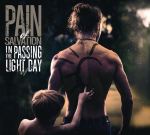


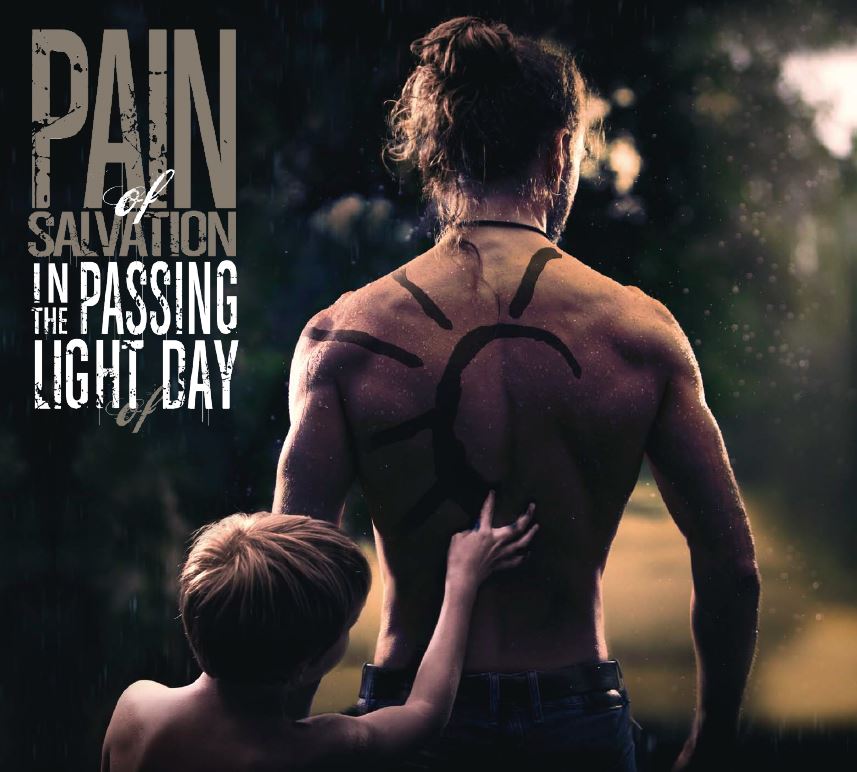
Pain of Salvation – In the Passing Light of Day
InsideOut, 2017

Given the lineup changes over the years, Pain of Salvation’s sound had evolved slightly while still keeping their operatic and Andrew Lloyd Weber influence. With new blood in Icelandic songwriter Ragnar Zolberg, In The Passing Light of Day took the album to new heights which the band had never achieved in their 20+ year lifespan. The autobiographical album by singer/songwriter Daniel Gildenlow goes through his near-death experience with an illness and really drives the emotion home in the title track.
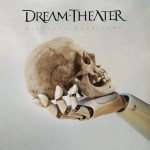


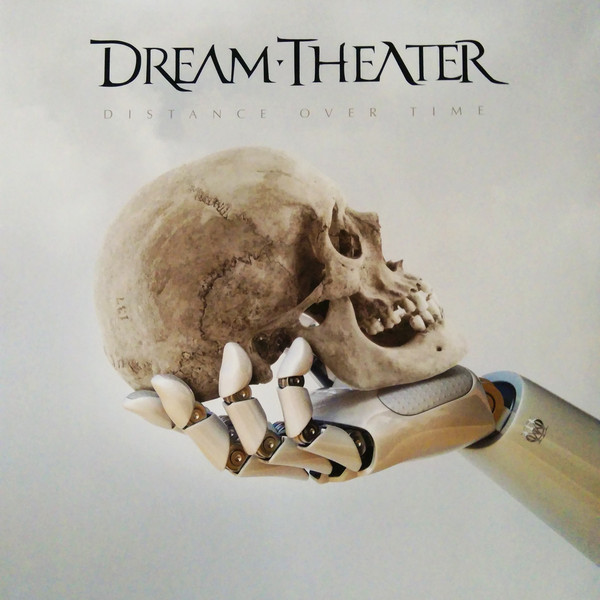
Dream Theater – Distance Over Time
InsideOut, 2019

Although 2003’s Train of Thought could have also made this list, 2019’s Distance Over Time does instead. With songwriting similar to Train of Thought, Distance Over Time became a bit of an anomaly in Dream Theater’s discography with it being the first album without a song over ten minutes (not including The Astonishing which arguably wasn’t so much an ‘album’). The crisp songs are to-the-point for the band which can win over new fans while still providing enough technical excitement to impress old ones. A surprise to be sure and easily one of the band’s strongest releases in 20 years.

Honest Review: Pig Destroyer – The Octagonal Stairway

Pig Destroyer – The Octagonal Stairway
Relapse Records

After 2018’s Head Cage, grindcore phenoms Pig Destroyer return with a 25 minute EP featuring a mix of ram-down-your-throat aggression and something sinister. With all that 2020 has given Earth so far, anything from Pig Destroyer feels almost necessary in these trying times to get through the day.

With Head Cage still getting regular spins around the office, the first half of the album feels right at home. With brutal attack and gut-wrenching screams, the title track is fierce and oppressive in nature. The final percussive breakdown among the dissonant guitars produces some of the most intense moments on the album – and it’s just getting started.

The Cavalry arrives fast and hard. With the rasping wails of J.R. Hayes, the song smacks the listener across the face with its ripping-fast guitar from Scott Hull and a deep, dirty bass from newcomer Travis Stone. Lyrics are as poetic as ever, with The Cavalry encompassing the the despair the band is trying to get across with their music. “Mark my words,” Hayes screams as Blake Harrison’s hypnotic electronics fade in, ultimately wrapping the song in sonic darkness.

With Cameraman, drummer Adam Jarvis and Harrison work together to create a disoriented sound from both the electronic ambiance in the background with unforgiving percussion in the foreground. While naturally brutal, the album flips to a more sinister tone as album interlude News Channel 6 feeds into the song Head Cage – a spoken-word track borderlining on just ambient noise. Jarvis’ drums, slow paced for a change, add dramatic flair to the tune as it bleeds into the eleven minute track, Sound Walker.

Guest musician, and ex-Sepultura drummer Iggor Cavalera, adds “field, ambient, noise and drum machine” to the final track which is an intense and slow build of noise and sounds which begins to wave in and out by the songs halfway point. The experimental track is a fitting ending to the EP which arguably is the right kind of medium to add a song like Sound Walker to.

With the ever growing and changing sound of Pig Destroyer, The Octagonal Stairway shows there’s another sonic side to the band which may woo over some different ears while still satisfying the core fans.

Uncanny Metal Score: 7/10

Pig Destroyer on Bandcamp

Review: Thrash Inc. – Black Tower

Review: Thrash Inc. – Black Tower
Self-release

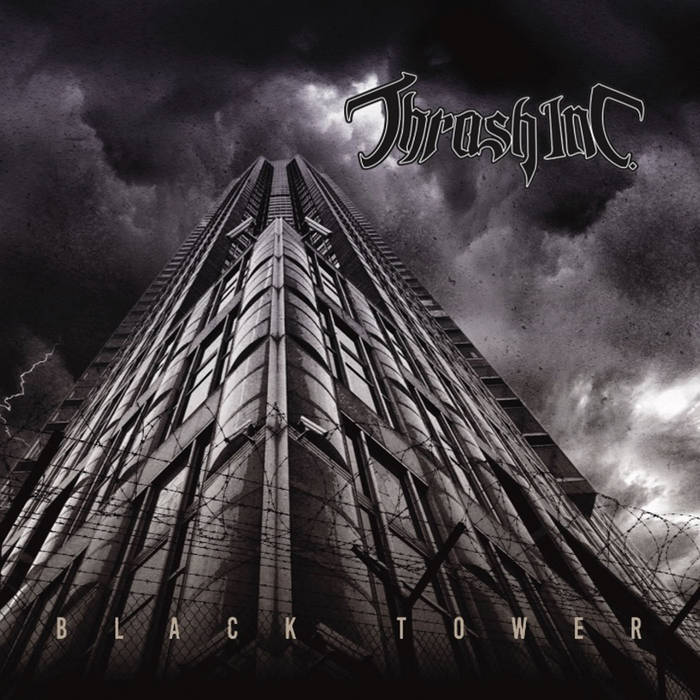
Italian thrashers – aptly named Thrash Inc. – show off some impressive riffs some ripping speeds in their debut album, Black Tower.

With raw guitars and production, the album kick starts listeners with the title track. Singer/guitarist Paolo Iacono’s vocals feel like as a mix between Death and Pantera stylings, providing both a screeching and gutteral sound among the overall thrashy performance of the band. Nothing is too polished which gives the music an edge for sounding a bit different than a lot of the other modern thrash metal acts out there.

Among the headbanging, No More Lies invites chanting from listeners during the chorus, but ups the ante with fast paced verses and wailing solos. Clever vocal techniques like stuttering add a bit of flair to an already rocking song, and suggests a gentle nod to The Who’s My Generation. Meanwhile, with a mix between mid-tempo and high speed riffs in songs like Lobotomy, showcase a mix of talent and song writing capability among the band.

And still there’s songs like Whisper of Insanity which immediately felt like nod to Kreator’s Terrible Certainty and Regression which feels it’s alluding to Megadeth’s Sweating Bullets – letting the listener know where their loyalties in thrash metal lie.

Despite the thrashing nature, songs like Thor and Back to Hell come in with killer groove and riffs which keep the head banging along with feeling.

Featuring a lot of highs, the album hits a come down with Phobophobia – an instrumental which unfortunately lacks the oomph from the rest of the album. With a mix of different ideas coming together, the song unfortunately doesn’t hold its own when compared to the the album as a whole.

However, No Return and the cleverly-evil Salt Tears with its backwards “secret track” is yet another nod to the history of the genre which Thrash Inc. allude back to with great effect.

An impressive debut from the Italian trio, Thrash Inc.’s Black Tower is a great nod to thrash metal legends who came before while still establishing themselves as worthy to stand alongside them.

Thrash Inc. on Bandcamp