Review: Blessed by Perversion – Remnants of Existence

Blessed by Perversion – Remnants of Existence
Iron, Blood and Death Corporation

Brutally intense with some pulse-pounding riffs and beats, Blessed by Perversion’s second album, Remnants of Existence, is a thrilling album for death metal fans to really engage with.

Ironically (or coincidentally) the Greek band released their album on Christmas Day in 2020. Their six-track album hits the ground running and setting a mood of what they’re trying to accomplish. The intro track, Descending into the Catacombs, is a slow minute-fifteen-long burn as the listener becomes surrounded by the sounds and sights the music creates in their mind. Then come the double kicks and Gallery of Bones picks the album up.

Flowing with mid-paced and rhythmic chugging for a short while, a sudden change in structure is where Hell breaks loose. Guitar and bass change – the tempo picks up and the listener is slammed with a wall of brutality. With an impressive guitar solo and well-placed, almost groovy riffs near the end of the track, the song ends only to be carried by an even heavier track, Atonement Refused.

Feeling more in-place with mid-90s death metal, Atonement Refused rips through with blistering speed. The hefty chugs within the chorus, followed by its technical bridge – and well-placed bass groove – changes up with moments of a Phrygian scale and mirrors something sounding almost from Nile. However, it doesn’t come across like a “copy” as the ideas fits within the atmosphere and feeling Remnants of Existence is aiming to create.

Within Among the Tombs of Absent Gods, the crushing riffs don’t stop. Feeling even darker than the last track, the album continues its descent for the listener. With layered vocals, the growls become more sinister and absorb the listener down the band’s dark path.

In Caverns of Torture, there’s a Cannibal Corpse-y feel to the song with its finger tapping intro and addition to more treble on bass guitar. The pounding chorus with pinched harmonics, along with the slamming snare adds some interesting colour to the already impressive track. After a bit of a break down, the song resets itself with the finger tapping intro and descends into madness with a dark guitar solo and filthy riffs that really pushes out the aggression.

The anthem-like Within Monumental Chaos concludes the album with probably the more memorable chorus on the album. The song features a descending scale with a technical breakdown which, in my opinion, really encapsulates the songwriting prowess of Blessed by Perversion. With a sweeping guitar solo, the song begins its double-kick conclusion as it wraps up the album with an epic, yet dark feeling.

Every song on the album was an impressive feat. While bass could been louder in some moments and kick drums may feel over-processed in some parts, Remnants of Existence floored me with quality in both production and song-writing capability. Rarely do I get to review albums from independent bands that really knock me off my feet.

A technically brilliant and dark, haunting journey, Blessed by Perversion’s Remnants of Existence is an album within the death metal realm that should not be missed.

Blessed by Perversion on Bandcamp

Review: Bloodfeast Ritual – Altars of Sacrifice

Bloodfeast Ritual – Altars of Sacrifice
Self-release

In their debut EP Altars of Sacrifice, Los Angeles band Bloodfeast Ritual serve up the guts and glory of old school death metal alongside a variety of death metal styles.

With relentless energy throughout each song, the 20-minute EP perseveres with a battery of brutality mixed in with many melodic moments. In the opening track Grave Fodder, the very-Swedish death metal influence shines through. Many unison riffs in the higher register initially present the band similar to one like Arch Enemy – with epic choruses and bright solos – the song provides a lot of heft among the beauty.

That beauty, however, somewhat disappears within the next song title: Eternally Molested By The One Most Foul. With the band still reeling Swedish death influences, the song itself begins to show a different sound the band is going for. With an influence more similar to the band Death, the song features lots guitar prowess while still being a cohesive song. Riffs and chugging dominate the majority of the song with more-shredding than melodic solos in-between.

And yet, the style changes yet again, rather smoothly into classic death metal with No More Room in Hell. Featuring some of the more guttural vocals on the album, the music also feels heavier. The layered vocals hearken to Aborted, but the music to something like Cannibal Corpse. Fast and devastating, the lyrics even evoke the scenes from Dawn of the Dead: “Eat them one by one / Feast upon the intestines / Smell of death fills the air.”

The heaviest song on the album, Chopped Up and Burned, is the song with the most weight. Blast beats abound, the darkest lyrics, the dirtiest riffs: the song has it all. The very traditional death metal sound is the clear inspiration for the song, with some of the more fast and intense solos the album has to offer.

Concluding the EP with the shortest track, Fetid Offering is the “newest-sounding” song on the album, with melody similar to the first track and guttural vocals reaching some of the higher registers, almost becoming screams. The song ends the EP on a high note with a steady growing, epic-feeling conclusion which somewhat contrasts the rest of the album.

With plenty of ideas mixed together as an EP, it shows many different avenues Bloodfeast Ritual can take. Although each song is brilliantly constructed, as a cohesive whole, the listener may get mixed messages to what the sound the band really wants to achieve.

Consistently brutal and relentlessly thrashy, Bloodfeast Ritual’s Altars of Sacrifice is an impressive and intense debut showcasing the many musical influences and songwriting prowess the band has to offer.

Bloodfeast Ritual on Bandcamp

Review: Al-Namrood – Wala’at

Al-Namrood – Wala’at
Shaytan Productions

Saudi Arabia is not well-known for black metal, yet the country is a muse for what the genre is about: religion, monarchy, paganism, and suppression – just a handful of topics which black metal relates in. Tackling these topics head-on with their seventh album, Al-Namrood’s newest release, Wala’at (“Loyalties” in English) continues stoking the flames of anger and disgust the band feels towards their government and the religion that surrounds it.

The anti-Islamic and anti-fascist themes of Al-Namrood’s music is both intense and dramatic. Mixing musical styles of both Western and Middle Eastern instruments, the band brings a familiarly dissonant style of black metal with the rather sharp contrast with harmonic Middle Eastern scales and tones. The two cultures blend together and create a hauntingly different feeling and mood to the genre.

While the band members remain anonymous due to the potential of the death penalty for performing their music, the three musicians aptly show their musical competency with melodies among the chaos and the foresight on when to change arrangements in their songs.

Standing out foremost in Wala’at is singer Humbaba, who alone brings a huge energetic performance to the music. Between the grunts, screams, and cries, Humbaba’s vocals are flexible and offer an incredible range and dynamic to the music. In fact, his enthusiasm comes together as one of the biggest triumphs on the album. Confident and devastating, his and stanzas are chilling at times while encouraging and uplifting in others. Without always understanding the lyrics, one can still get a feeling for what the band wants to portray. The pain, frustration, and demands for reform are obvious to the listener: Al-Namrood wants the listener to experience what they feel – and successfully does so with each performance.

In tracks like Kail Be Mekialain, musicians Mephisto and Ostron synchronize riffs together to create hauntingly eerie tones – even more so with the reverb cranked up on the drum samples in each song. Linked with Humbaba, there’s a common chemistry between the trio that energizes the music, elevating it beyond what most bands with decades of history are unable achieve.

In another track, Aar Al Estibad, the riffs are thrash-y and come with a punk-ish feel until the Arabian instruments join in. Those instruments ultimately change the feel of the song and move expectations from “just another black metal track” to something different. While the song itself technically doesn’t set new standards or heights in black metal, it’s still a powerful song which sticks with the listener for its almost hypnotic melodies and grinding vocal hums.

With all songs staying under the five minute mark, the near-forty minute album is an intense feast on the ears. Perhaps too overwhelming at first, the second, third, and multiple spins after will continue to bring the listener back to absorb the beauty and raw power Al-Namrood offer with Wala’at.

Al-Namrood – Wala’at on Bandcamp

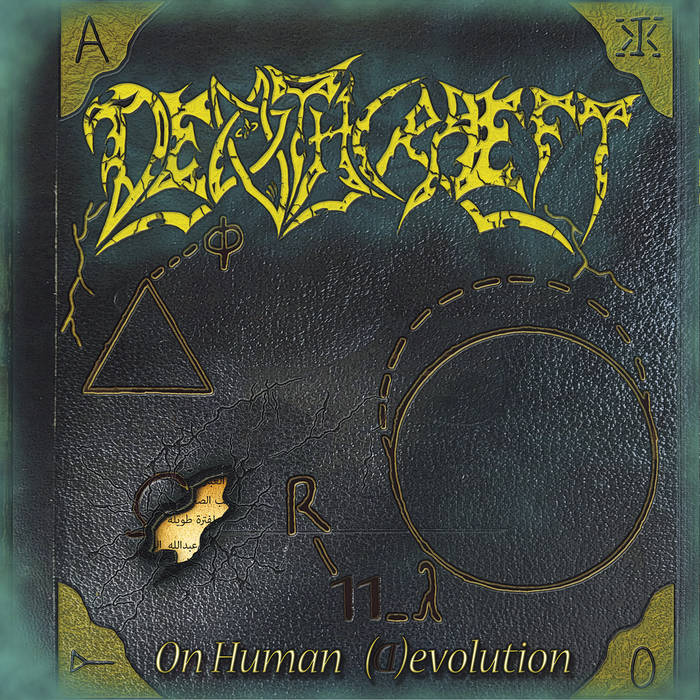
Review: Deathcraeft – On Human Devolution

Deathcraeft – On Human Devolution
Self-release

Deathcraeft’s debut and concept album, On Human Devolution, features lots of juicy riffs and hefty blast beats with lyrics that explore the socio-political and self-destructing nature of humanity. With clear influences from Testament, Possessed, and Aborted come together, this Greek band offers a surprisingly genuine effort of great arrangements and solid songwriting.

While the The Ritual starts things off with lots of heft and thrash metal influence, The Beginning of the End really kick starts the album with brilliant riffs and chugging that are catchy as hell. The song also starts to showcase more death metal influences in the band while still holding its thrash-like feel – the guitar and bass sounds feel thick and heavy and filled with a groove that almost adds a Pantera-like influence to the song.

Spreading Lies fluctuates with tempos and provides a lot of different highlights throughout the song which feel naturally powerful with its upbeat, catchy chorus.

The fourth track, Welcome to Oblivion, features the closest resemblance to the Possessed/Testament-influence. The groovy descending riffs layered on top of the battering double kicks really strike the listener with intensity. The chorus has triumphant moments which do not detract from the brutality before it, and ripping solos compliment the chorus as it transitions back into the verses.

If there’s one major compliment to give, singer Nikonas Tsolakos offers a wide range with his vocal styles. Whether grunts, growls, screams, or gutteral whispers, there’s a versatile mix of singing provided on the album which keeps the album fresh and easily digestible for listeners who may shy away from the more lower range of death metal vocals.

While featuring one of the better solos on the album, Survival slows down the pace the album has been running with. As a six minute song, it becomes a bit of a fight to bring the album back up again with the next song, Daydreaming in the Abyss, which arguably could have been the slower song transitioning into Paving the Way. However, the slow down allows the listener a bit of breathing room to absorb what they’ve heard before and perhaps realize a lot of the riffs and songwriting had been thematic in many songs – something that can be overlooked and certainly is not common in the death/thrash genre.

With the longest song on the album, Free into the Void is the most climatic song on the album – fitting to conclude the 48-minute concept album off properly – as it closes with a dripping-with-mood conclusion. With some of the heaviest riffs and fastest double kicks on the album, the song’s outro ends rather triumphantly – almost pulling from the folk metal sub genre with feelings of Amon Amarth shining through.

Intense, brutal, and surprisingly progressive, Deathcraeft’s debut throws lots of surprises at the listener to make a impressively creative debut.

Deathcraeft – On Human Devolution