Have You Heard? The Best Progressive Metal Albums of the Last 20 Years

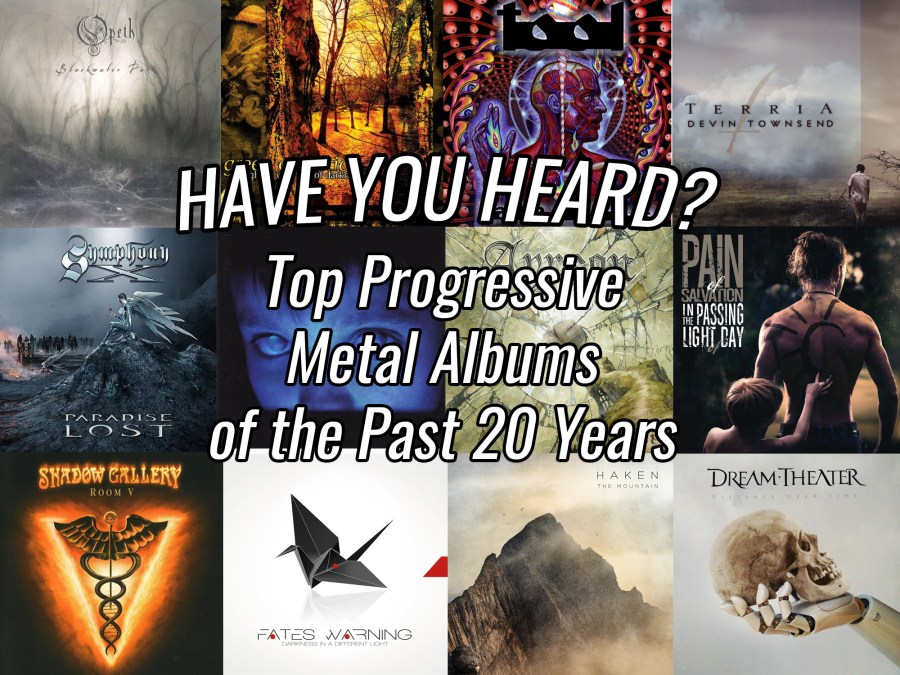
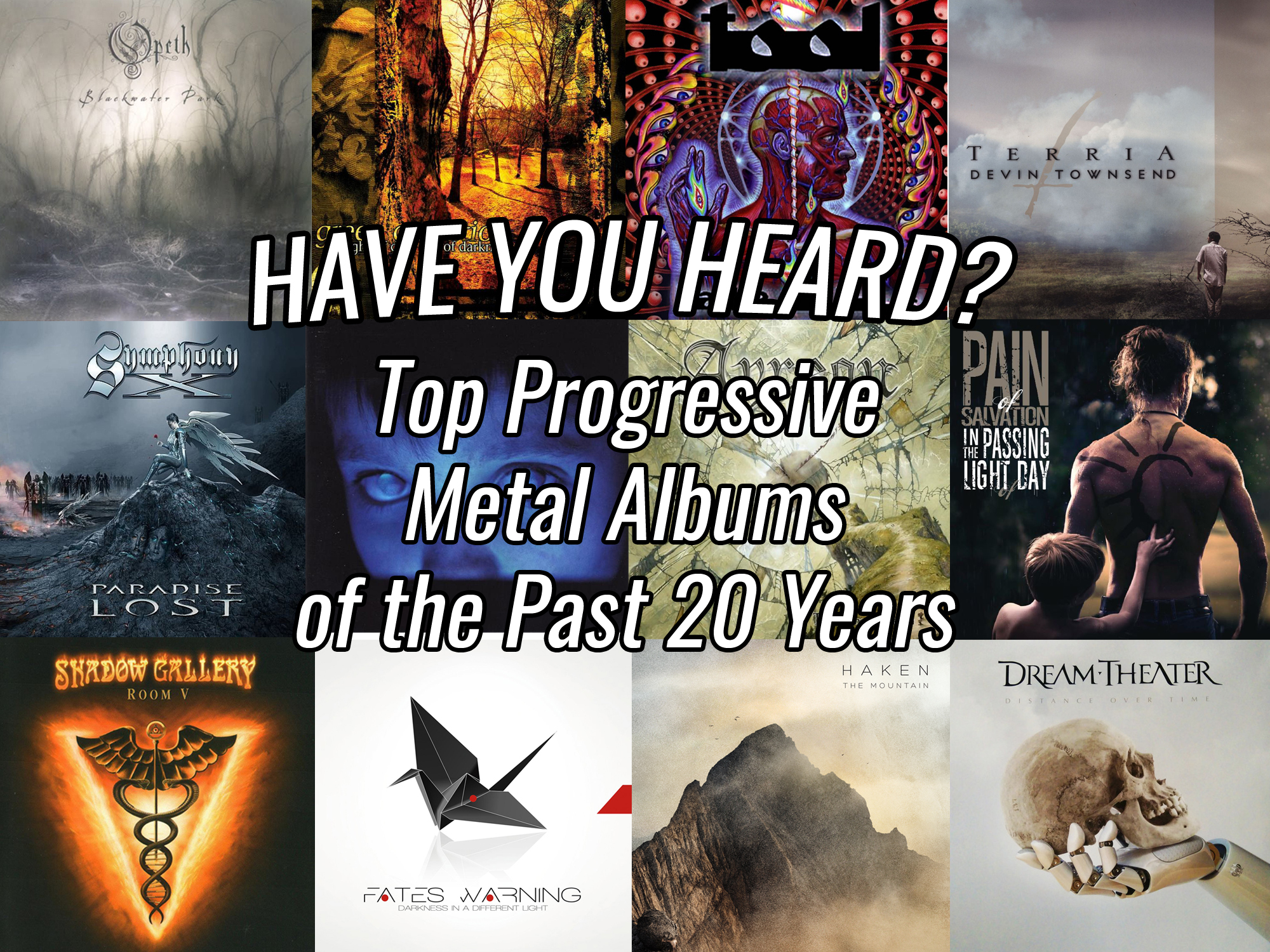
As one of earliest heavy metal subgenres, Progressive Metal has had a lot of time to grow, expand, and become even more progressive. Spawning in the early 1980s with bands like Queensryche, Fates Warning, and King’s X, the genre has become one of the largest and most varied forms of music. However, within the past twenty years there have been plenty of the of different albums – all offering something different than the last. Here, Uncanny Metal takes a look at some of the best Progressive Metal albums that have been released from the past twenty years.
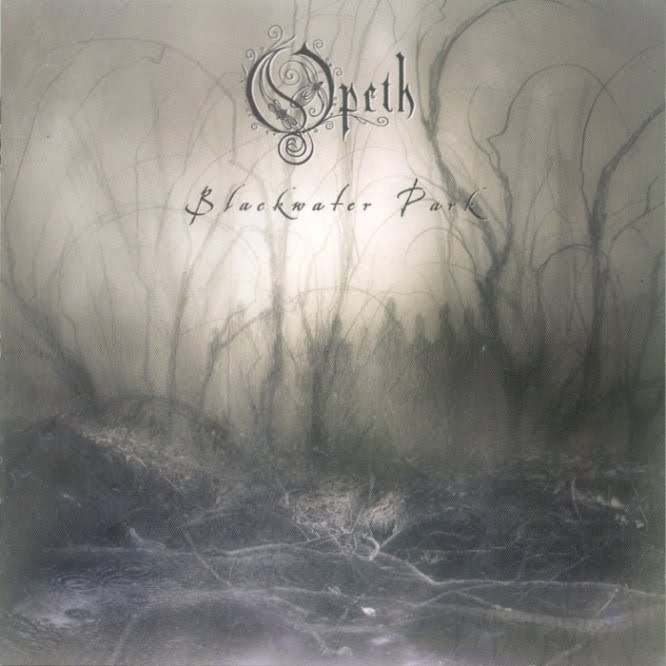

Opeth – Blackwater Park
Music for Nations, 2001

The Swedish band’s fifth studio album, Opeth’s Blackwater Park became a pivotal change of sound for the band. While 1999’s Still Life may be still considered the album with a shift in style, it’s with Porcupine Tree’s Steven Wilson mix/production on Blackwater Park that really added a sense of progressiveness to Opeth. With their following albums, Opeth style continued to evolve with its progressive and death metal tendencies. Standing back and looking upon the entire discography, Blackwater Park was ultimately considered the tonal shift for the bands future releases.
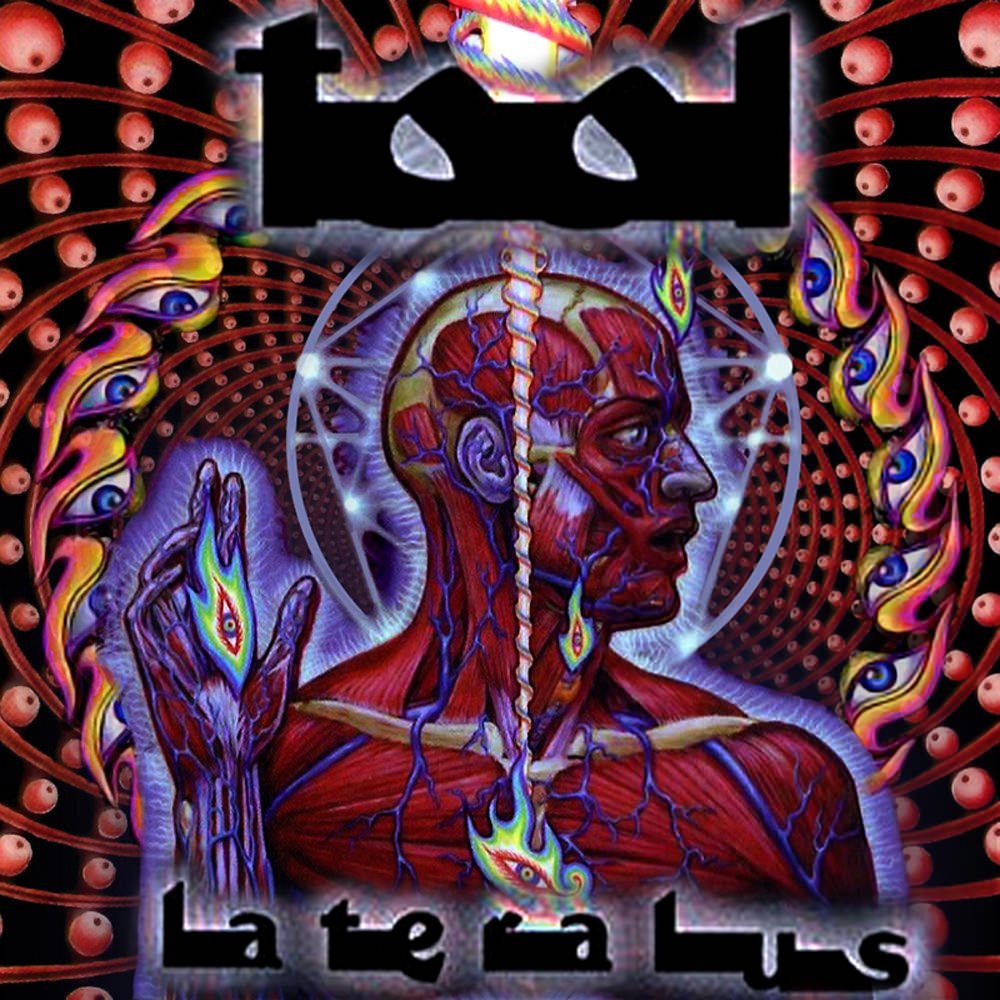


Tool – Lateralus
Volcano, 2001

Progressive metal and the mainstream never came so close to greatness as it did with the ringing bass lines to Tool’s hit single Schism. While previous albums were also progressive, Lateralus turned progressive metal even more popular and threw the already well-established band further into the limelight. While it was years later for 10,000 Days and Fear Inoculum to eventually see the light of day, Lateralus was the pivotal moment for music fans to unite globally.
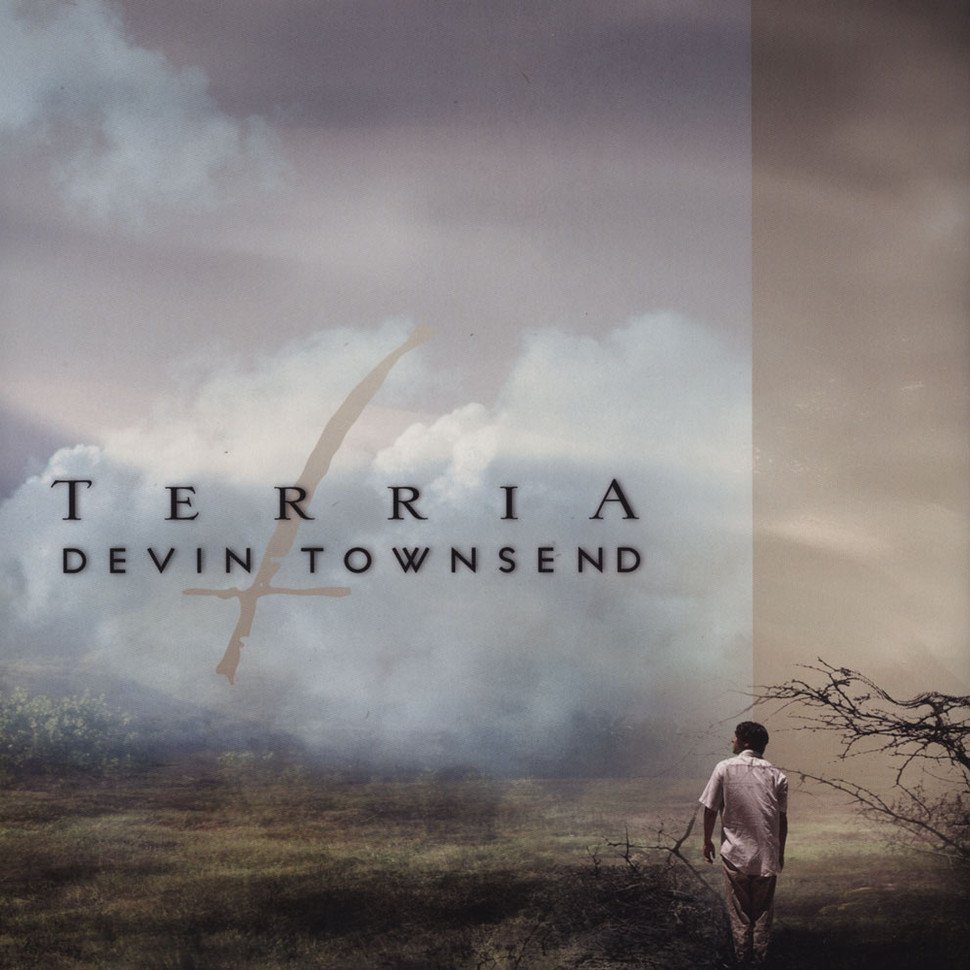


Devin Townsend – Terria
HevyDevy Records, 2001

After having worked with Steve Vai and establishing Strapping Young Lad with an outburst of extreme metal, Devin Townsend’s Terria – while probably not everyone’s favourite release, features some of the most intricate atmospheres from Devin’s signature “wall of sound.” A personal concept album and tackling mental health before the movement was in the mainstream, the ebbs and flows of Terria are astonishing with songs still resonating in relevance today.
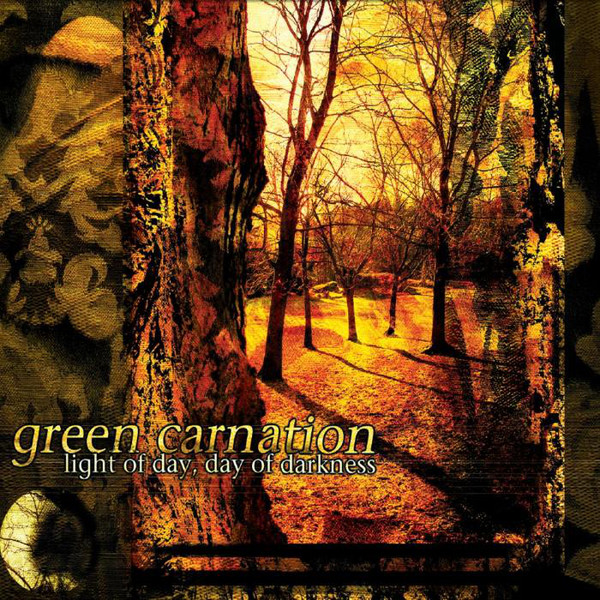


Green Carnation – Light of Day, Dark of Darkness
The End Records, 2001

Another album with a personal story, ex-Emperor bassist Tchort founded Green Carnation in the early nineties. With their second album, LoDDoD became not only one of the longest songs in the genre of heavy metal, but is also critically acclaimed among metal fans. Crafting an hours worth of music and interlinking it together to unfold a story of both tragedy and life, Green Carnation’s epic stands out as a musical achievement for those who let themselves become encompassed by the grand scope of the song.
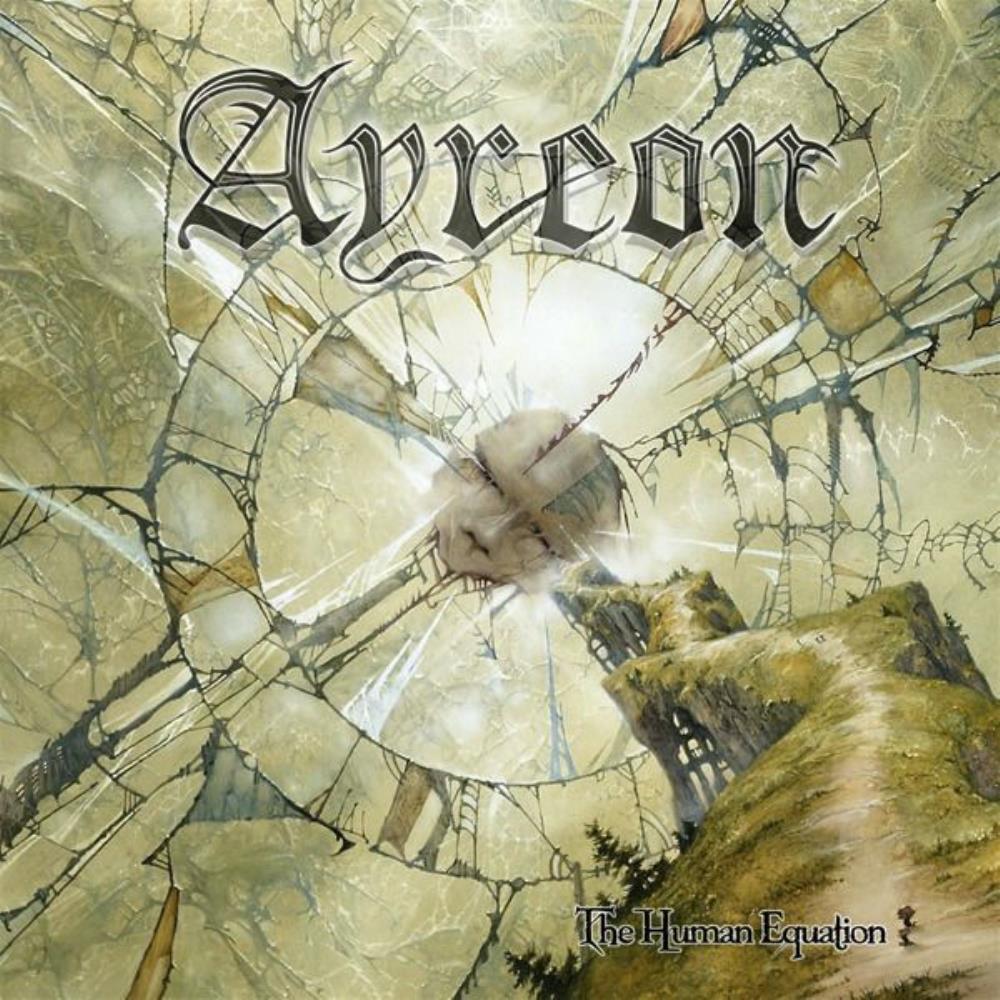


Ayreon – The Human Equation
InsideOut, 2004

After multiple science-fiction concept albums, Arjen Lucassen decided to try something a bit different and delve into the human mind. With multiple singers performing as different feelings such as Opeth’s Mikael Åkerfeldt as Fear, Mostly Autumn’s Heather Findlay as Love, and Devin Townsend as Rage, they battle within the mind of the character “Me” (by Dream Theater’s James LaBrie). The album not only tells a story, but actually features incredible twists and turns of regression, infidelity, and coming to the understanding of one’s self.
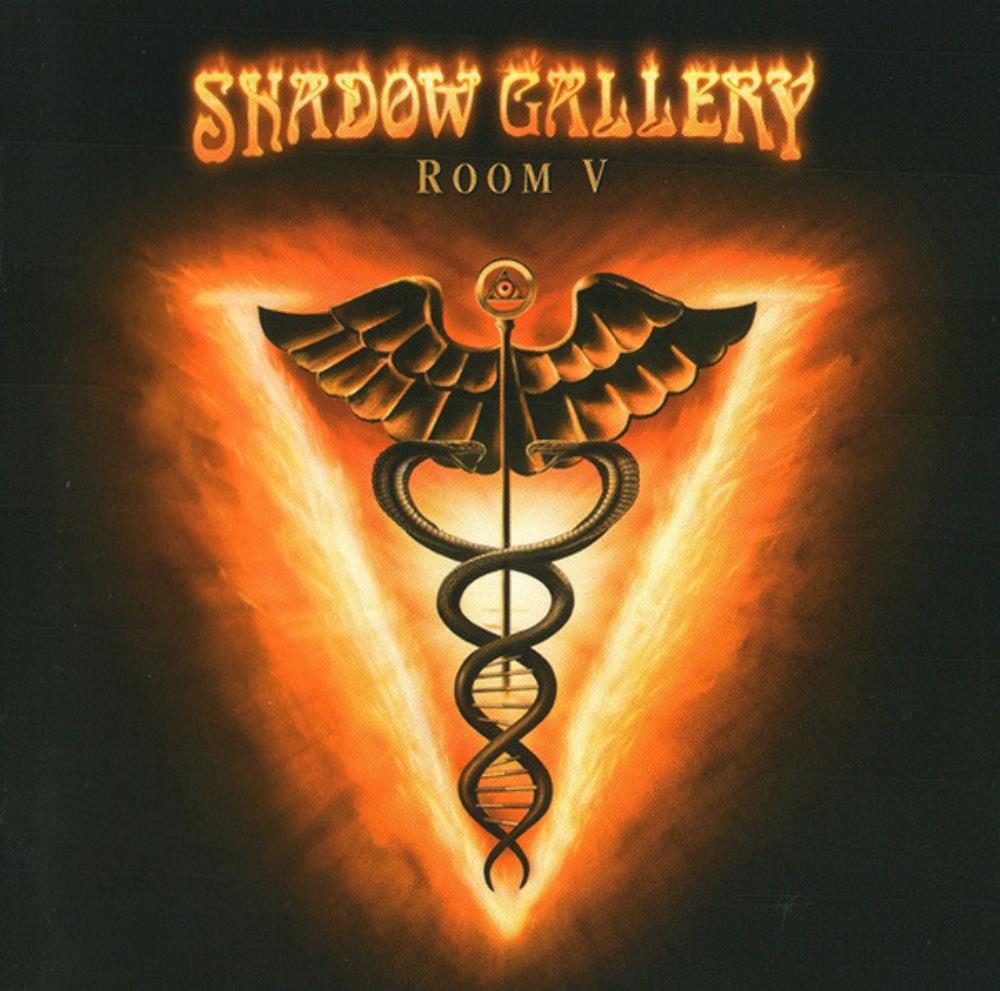


Shadow Gallery – Room V
InsideOut, 2005

The prog power band Shadow Gallery released their Operation: Mindcrime-esque concept album Tyranny in 1998, only to finish the cliffhanger of a story in 2005. While the concept may feel overdone now, the story and impact comes with a familiar X-Files vibe, with espionage and mystery surrounding almost every song. With impressive songwriting skills and the underrated Gary Wehrkamp on guitars, Room V stands out as a brilliant performance – especially from lead singer Mike Baker who passed away shortly after the album’s release.
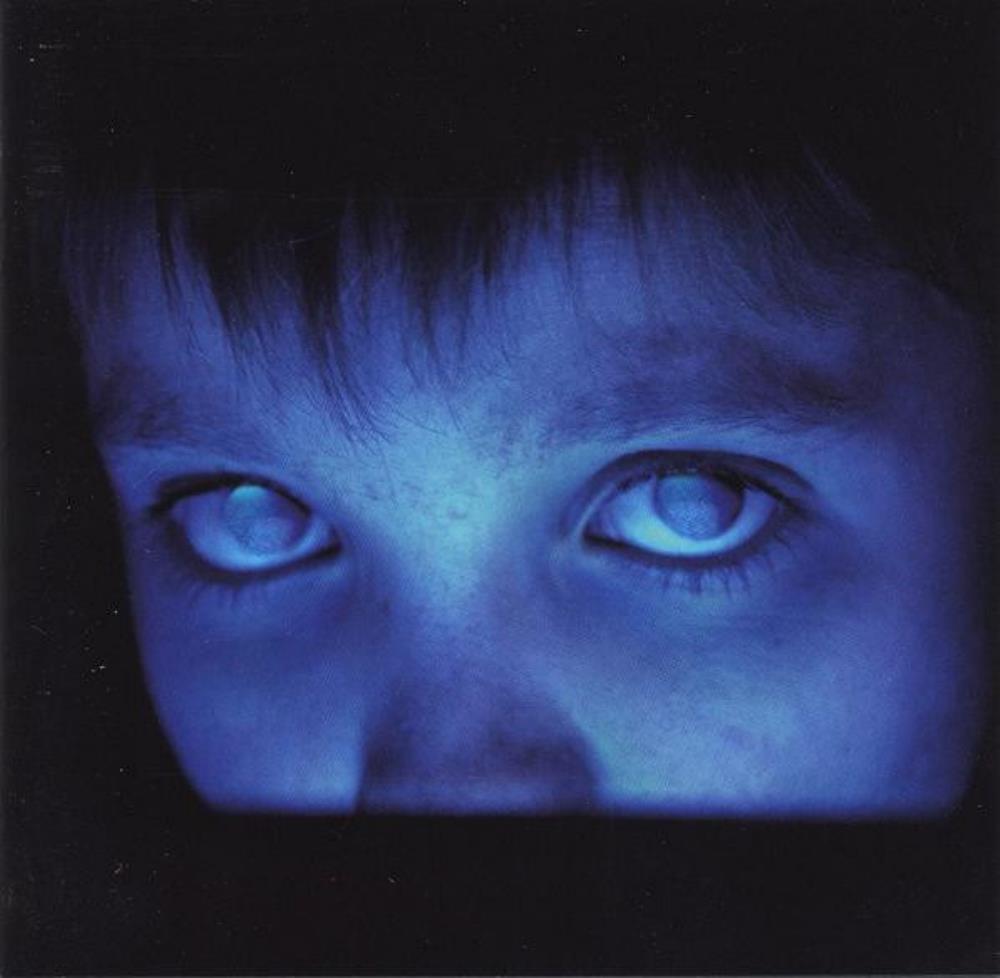


Porcupine Tree – Fear of a Blank Planet
Roadrunner, 2007

The last-great Porcupine Tree album, Fear of a Blank Planet is more progressive rock than it is metal – but it’s still hard to not find yourself headbanging along most of the tracks. With the gorgeous, near-twenty minute epic, Anesthetize, to the seductively heavy final track Sleep Together, Porcupine Tree’s theme on reflecting the exploitation and commercialization of drugs and its impact on the human mind, its deep and thought-provoking while still providing incredible music.
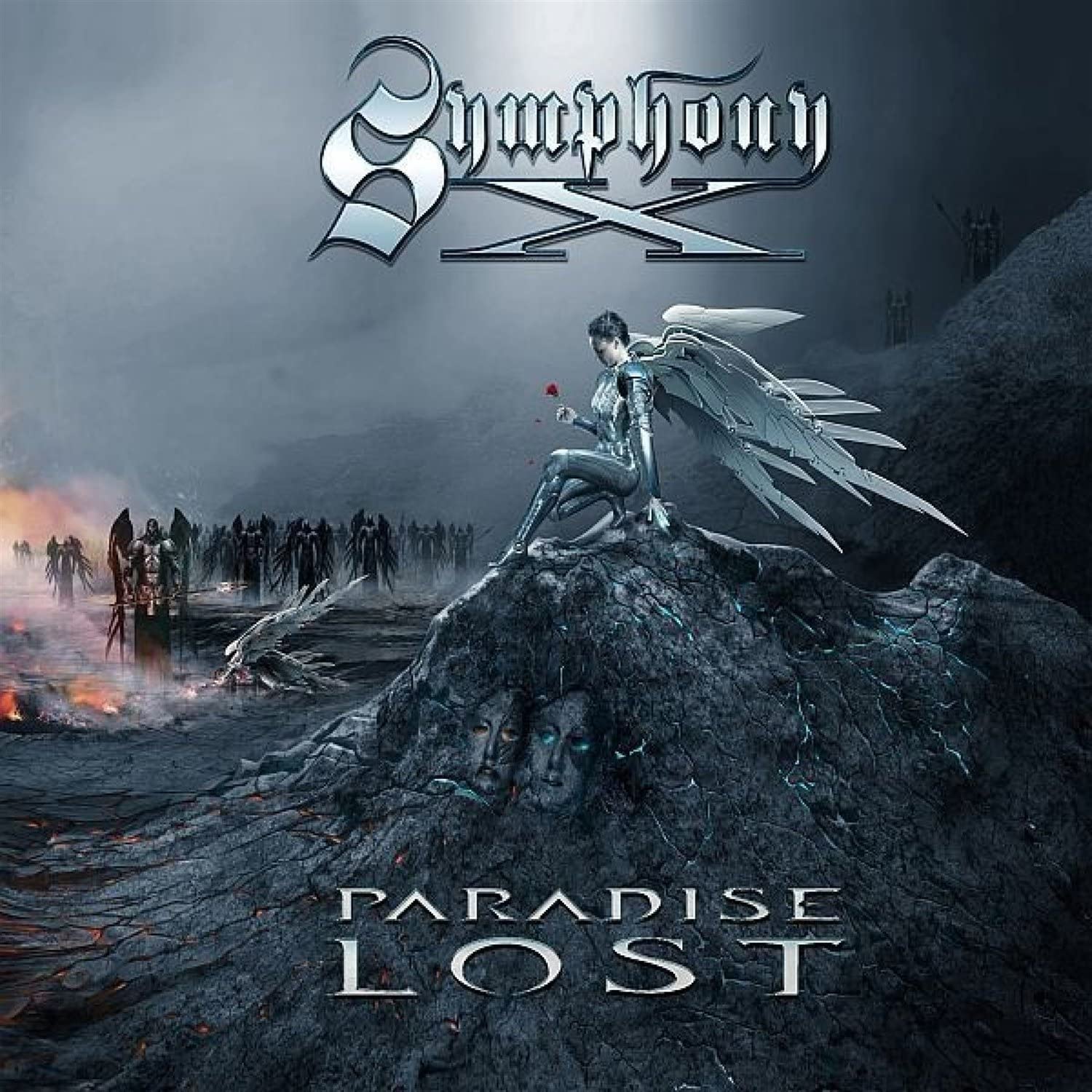


Symphony X – Paradise Lost
InsideOut, 2007

While 2002’s The Odyssey could also be on this list, it’s with Paradise Lost that Symphony X really gained their stride. After a five drought after The Odyssey – which ultimately suffers a bit from production issues – Paradise Lost comes in slamming hard and with some of the juiciest riffs from guitarist Michael Romeo. Every song features standout moments from each musician and the album just keeps hitting. Prog/power often gets a mixed reputation due to the power metal elements sometimes overtaking the progressive ones. With Paradise Lost, Symphony X nails that perfect blend with their songwriting.
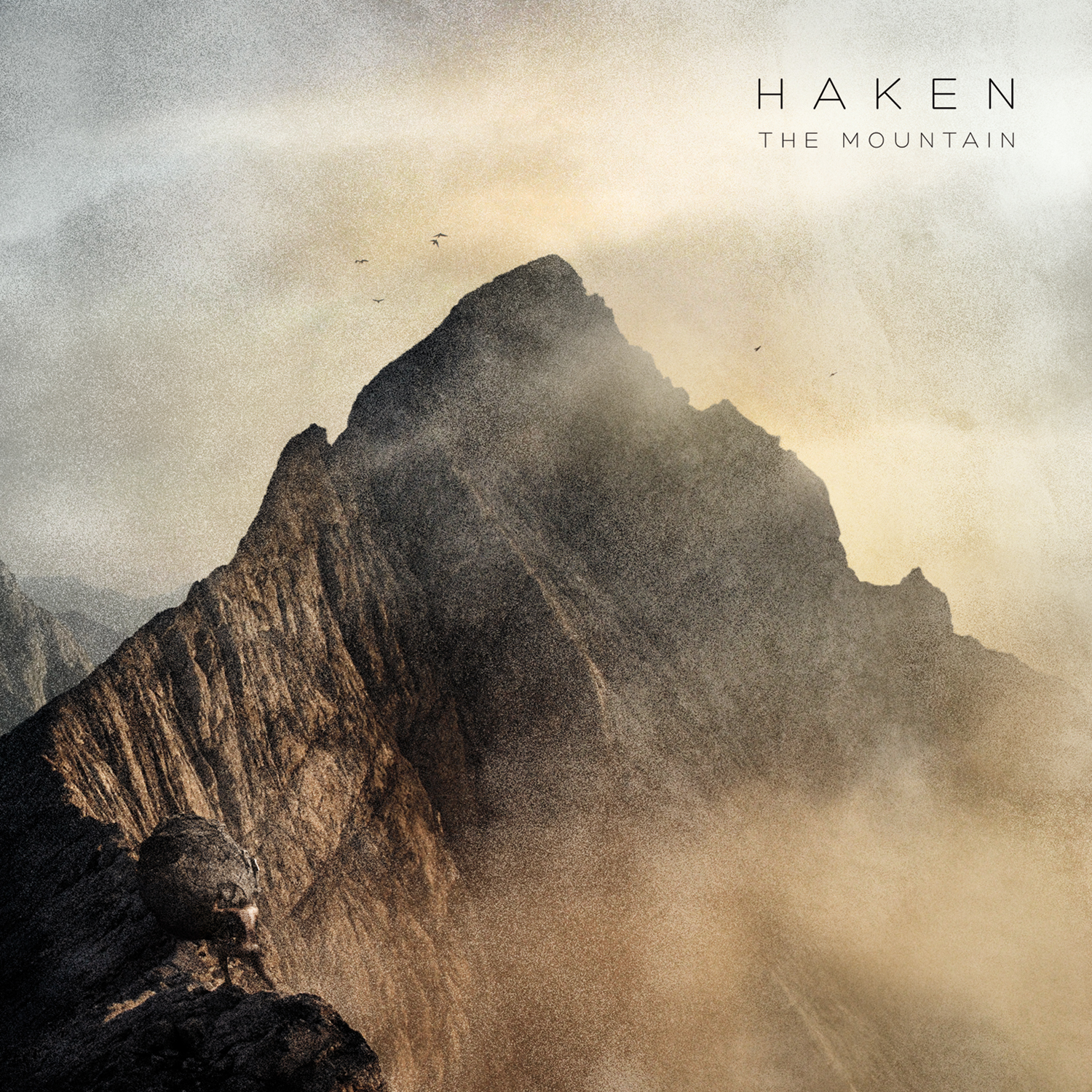


Haken – The Mountain
InsideOut, 2013

With their breakout third album, Haken’s The Mountain brilliantly constructs the 70s progressive sound in a modern time, almost coming across like a modern day Close to the Edge from Yes. With heavy influences from bands like Dream Theater, the album never really becomes too technical to the point of becoming overbearing. It’s tame yet still manages to impress on every aspect with melodies and vocal harmonies that will forever stick in your mind.
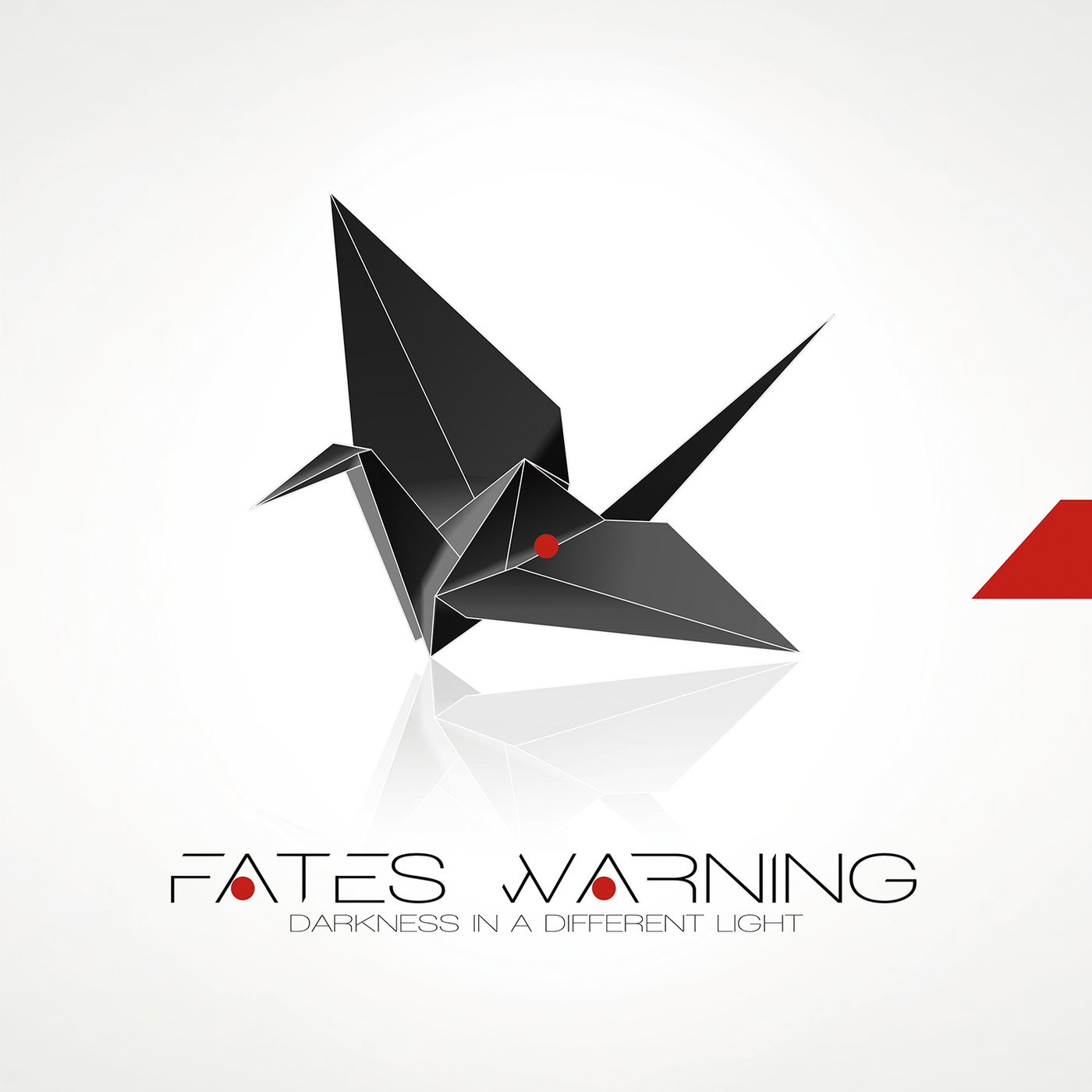


Fates Warning – Darkness in a Different Light
InsideOut, 2013

After 2004’s album FWX, Fates Warning took some time off and reconstructed themselves for an impressive “debut” so to speak. With Bobby Jarzombek on drums, the album felt like a modern re-imagining of 90s albums, Perfect Symmetry or Parallels. With songs appearing straight-forward, their time-signature twists and turns from each song come across as natural, if not subtle. Ray Alder still sounding as great as ever, Fates Warning came back with a bang and have a new album coming out in the Fall of 2020.
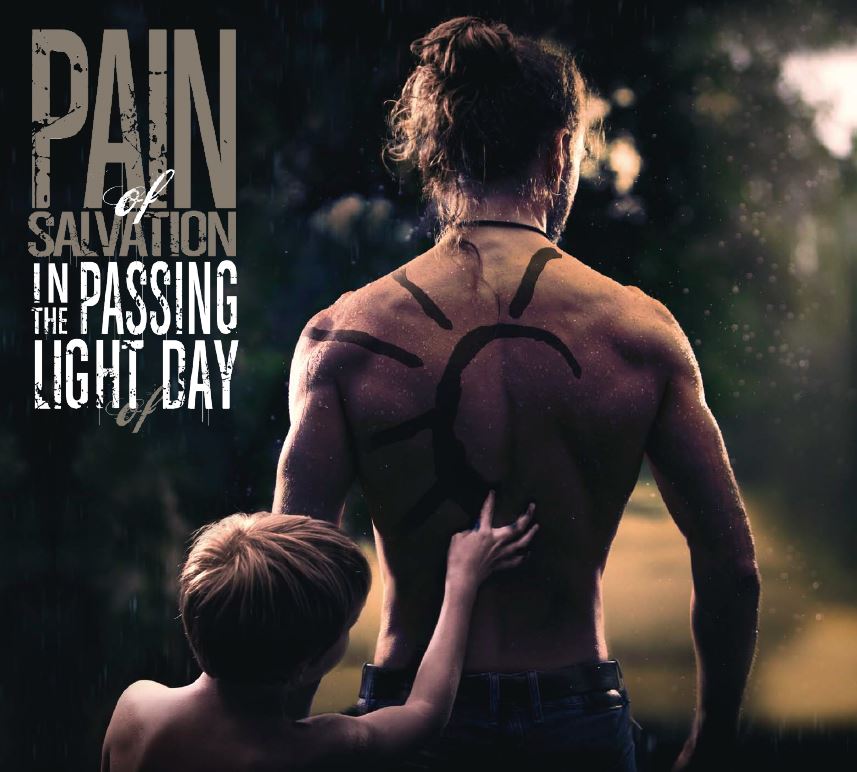


Pain of Salvation – In the Passing Light of Day
InsideOut, 2017

Given the lineup changes over the years, Pain of Salvation’s sound had evolved slightly while still keeping their operatic and Andrew Lloyd Weber influence. With new blood in Icelandic songwriter Ragnar Zolberg, In The Passing Light of Day took the album to new heights which the band had never achieved in their 20+ year lifespan. The autobiographical album by singer/songwriter Daniel Gildenlow goes through his near-death experience with an illness and really drives the emotion home in the title track.
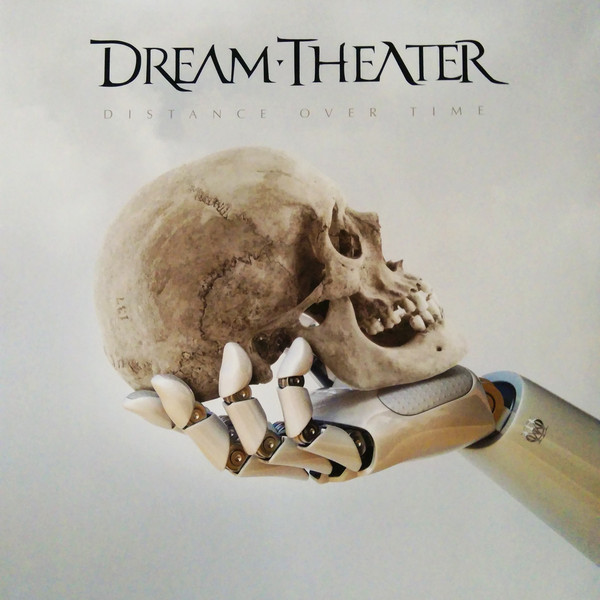


Dream Theater – Distance Over Time
InsideOut, 2019

Although 2003’s Train of Thought could have also made this list, 2019’s Distance Over Time does instead. With songwriting similar to Train of Thought, Distance Over Time became a bit of an anomaly in Dream Theater’s discography with it being the first album without a song over ten minutes (not including The Astonishing which arguably wasn’t so much an ‘album’). The crisp songs are to-the-point for the band which can win over new fans while still providing enough technical excitement to impress old ones. A surprise to be sure and easily one of the band’s strongest releases in 20 years.

Honest Review: Pain of Salvation – Panther

Pain of Salvation – Panther
InsideOut Music

Following up from 2017’s semi-autobiographical In the Passing Light of Day, Panther redirects the focus of the band’s music onto the listener: “This album is for you, or someone you know. It is for the restless, the shy, the motormouths, the passionate, the ones who go far beyond the point of reason for what you believe in, the outsiders, the diagnosed, the medicated, the hungry, the sad, the ones walking around daily trying to understand how to fit in with this species, with this era … This is your album.”

The overall theme touches on just that – focusing on mental health and those who are made to feel different in a world that does not understand them. While the lyrics may be the physical understanding, Pain of Salvation manages to make the album sonically reflect those feelings as well.

In first track Accelerator, the intense polyrythms married with the lyrics, “I must be the problem here” add a level of indifference, stress, and confusion for both the listener and the reader – placing both as an observer witnessing someone with mental health issues and not knowing what to do. The musical anomalies brought about by the end of the song continue that reflection.

Moving into a somewhat familiar Pain of Salvation songwriting, Unfuture feels reminiscent of music from Scarsick. The switch in time signatures during the choruses intertwined with the fluctuating singing styles listeners have come to know from singer/songwriter Daniel Gildenlow, comes across almost like an anthem.

And in a complete 180 from Unfuture, Restless Boy sounds like nothing what the band has done before. With vocal encoders and tons of electronics built within to the instrumentation, the song comes across similar to the strange feelings Accelerator tries to portray – but does so in a much sinister, almost intentionally – and intellectually – robotic way.

With Then Wait the album takes another 180 from Restless Boy, bringing about a beautiful, melodic song with gut-wrenching lyrics, asking the listener for understanding and patience. The second-longest song on the album at 7 minutes, the song progresses musically like time – starting with a simple guitar melody and gradually growing into something bigger and more modern-sounding. It climaxes to a haunting and emotionally crushing chorus. While nothing changes lyrically, the progressions within the song build the moment to be much stronger than before for a devastating effect on the listener’s emotions.

Like the rest of the album, songs like Keen to a Fault showcase the brilliance of the band’s progressive music with yet more variations than songs before it. Both music and singing vary greatly, constantly keeping the listener on a wave of sensations. Panther rings electronic similarities to Restless Boy, while Species stands out as yet another separate song on the album which progresses with positivity and hope – almost in an empowering sense.

The final track, Icon, at just over 13 minutes is the longest song on the album and features probably the single most-haunting song Pain of Salvation has ever written. While the song feels like a bit of a drag in the early stages, it builds into a frightening and brutally honest reflection of how the mind works – bookending Panther in the most uncomfortable way – which arguably is what the objective of all the songs on the album have been. After all, the album is for a specific type of listener – the panther, if you will.

Like albums before, Pain of Salvation brings another roller coaster ride of feelings to the fray with Panther. The album is sonic journey with lyrical heart and a message to those who need it. While it may single out those who don’t understand, the inner machinations of Pain of Salvation will keep on ticking without them.

Uncanny Metal Score: 8/10

Pain of Salvation at the InsideOut Store

Honest Review: John Petrucci – Terminal Velocity

John Petrucci – Terminal Velocity
Sound Mind Music

by Derek J. Smith
Editor

With the lockdown of COVID-19, Dream Theater guitarist John Petrucci finally began work following up his 2005 debut solo album, Suspended Animation. In 2020, Terminal Velocity features a bit of everything you’d expect from Petrucci. Surprisingly, however, there’s a lot more throughout the albums various nooks and crannies that makes Terminal Velocity one of the best things John Petrucci has ever produced – including his prior solo effort and most Dream Theater albums. With the title track as an impactful first song on the album, the listener may feel overloaded: “What else is there could Petrucci have to offer? Did I just hear everything he could do?” The other big question asked: “That was just one song – will Petrucci and former bandmate Mike Portnoy recapture the feeling of working together?”

Put it this way: There were no expectations which could prepare you for the incredible song-writing and musicianship encountered on Terminal Velocity.

The technical versatility may feel daunting but is not at all over-stated. Petrucci said he had a lot of time to write this album over the lockdown from COVID and it absolutely shows. Terminal Velocity is not the technical showcase which one would come to expect from Dream Theater albums. Petrucci’s songs feel well-plotted out all the while produced and written with feeling and emotions in mind. While Terminal Velocity feels as if it crams ideas together similar to Devin Townsend’s opening track on his 2019 album Empath – everything works together and establishes tidbits of what the album will be presenting as the listener gets into it.

The familiar intro to The Oddfather is rather tongue-in-cheek and may put a smile on the face of the listener. The Oddfather features so many delicious riffs in the song, making it feel like an early Dream Theater song with styles somewhat mixed in-between Dream Theater albums Awake and Systematic Chaos. Bassist Dave LaRue is simply brilliant, laying foundation across the track and adding a solid level of depth to the song.

Happy Song delivers just what the title suggests – upbeat progressions with bright and cheery lead solos. Meanwhile, Gemini kicks off with heavy riffs and a hefty dirty bass tone from LaRue, reminiscent of heavy grooves from Liquid Tension Experiment. Yet the song continues its various fluxes with Spanish influences-turned-shuffle, and powers through with a wider mix of different genres in its six-minute existence.

Out of the Blue is a nice, mid-paced song which was unexpectedly needed in the middle of the album, giving the listener a breather and soothing them down from the intensity before it. The song does a slow and progressive build up at the end, making the mid-tempo intro riff to the next song, Glass-Eyed Zombies even that more appreciated. In Glass-Eyed Zombies, the gradual build up of from its introduction is a brilliant way to get the listener up to the speed that marked the first half of the album with a ripping solo and chugging thrash metal rhythms.

The bright, almost operatic The Way Things Fall, lets LaRue shine in a handful of moments while still showcasing Petrucci’s solos. Meanwhile, Snake in My Boot portrays a rocking country-metal hybrid anthem we didn’t know we needed.

In the final track, Temple of Circadia, it’s easy to compare to introductions of Dream Theater’s Bridges in the Sky or The Shattered Fortress, yet much like the entirety of the album, there’s lots for the listener to chew over – from the odd time signatures to the intense polyrhythms Portnoy throws upon the song.

Although it definitely feels like a John Petrucci album – and that Mike Portnoy is certainly a big-name draw – there’s a history between these two musicians which cannot be replicated. One can really tell how the two musicians have bonded together. Despite it being over ten years apart from writing music with one another, the melding of their two minds works brilliantly. The emotional impact of two old friends working together is something which literally cannot be replicated if one tried.

The brilliance the two musicians achieve between one another is not hyperbolic if one reminisces of their halcyon days together. Petrucci and Portnoy are musicians who understand one another and are on the same wavelength when it comes to performance and song writing. Terminal Velocity, even unconsciously, comes together as an album celebrating both music and friendship. It may not have been intentional while writing the album, but it certainly feels that way when listening to it.

If we could only get more honest albums like this from musicians, the world of music would most certainly be a better.

Uncanny Metal Score: 9/10

John Petrucci’s Website

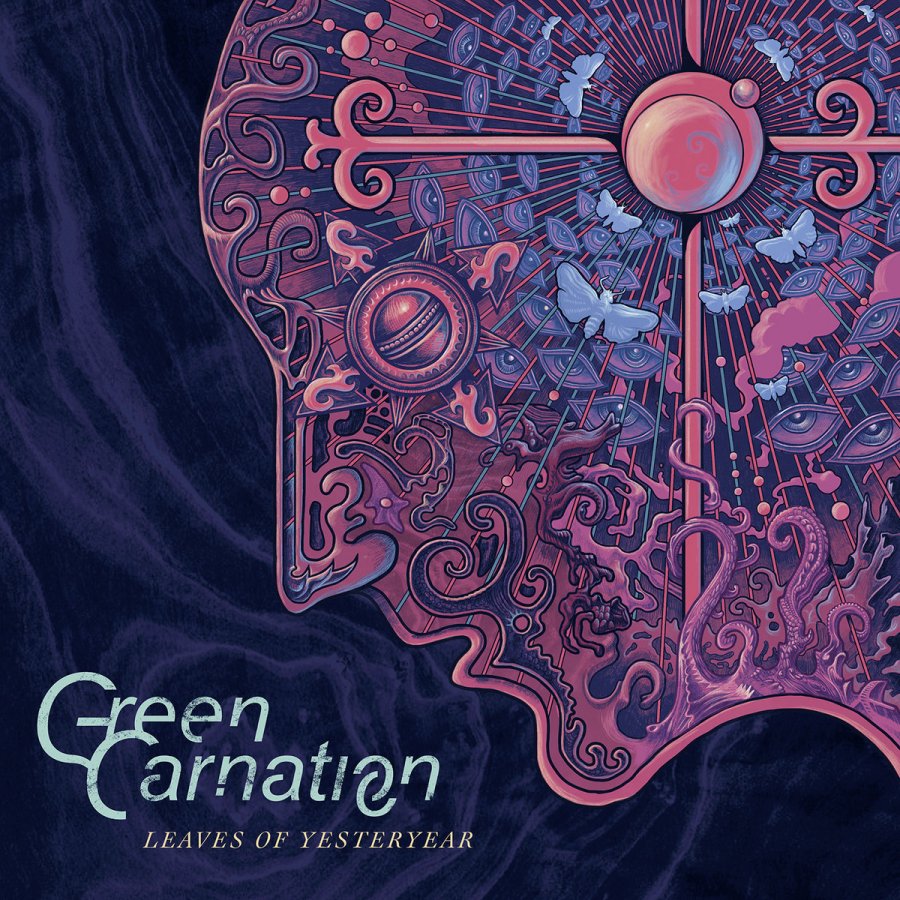
Honest Review: Green Carnation – Leaves of Yesteryear

Green Carnation – Leaves of Yesteryear
Season of Mist

Forget Tool’s length between albums. From the ashes rise Green Carnation and their newest album in fourteen years, Leaves of Yesteryear. The modest progressive metal pioneers, well-established because of their 2001 opus, Light of Day, Day of Darkness, come forward with another album with their unique twist on the genre.

Mixing elements from black, doom, and progressive metal, Leaves of Yesteryear is yet another gem from these Norwegian musicians featuring four new songs and a re-recording of a song off of their debut album, My Dark Reflections of Life and Death.

The real beauty within the album derives from the subtle intricacies sprawled throughout. The chorus of title track, for example features a plain sounding trumpet effect from the keyboard. Mixed with the instruments, it becomes epic. As the chorus replays throughout the song, the trumpeting builds with orchestral brilliance.

On Sentinels, the transition from bridge to the final chorus features two measures in 4/4 timing. Traditional songs would use one measure to transition – but Green Carnation’s brilliance extends it to two: the first featuring the music ringing out from the bridge and the second coming in with sustained vocals and a beautifully simplistic drum fill – resetting the tempo of the song. These little bits in the songs seem minor but absolutely add much needed vigor and strength into what some may feel as an overtly virtuoso and stale genre.

The rerecording of My Reflections breathes new life into the song. Despite its twenty year age, it fits well within the album and still feels new. Not many bands can say they’ve accomplished such a feat.

While progressive metal seems to showcase flashy solos and technical unisons, Hounds shows how progressive metal can have both groove and heart. The chorus demands the listener to sing along. The thumping bass keeps a steady groove and features refreshing R&B variations that are not often referenced in the genre.

The album concludes with Solitude – a cover off of Black Sabbath’s Master of Reality. Arguably the weakest song on the album due to its solemn nature, Solitude is haunting, beautiful, and sad – a different kind of feel from most of the album. While the track sorting of the album lets Solitude work best as the last song, it feels strange the album wasn’t bookended with another bolder song as a pick-me-up.

After a long hiatus, Green Carnation returns to form with Leaves of Yesteryear. It’s something familiar of fans who have stuck with the band over the years, while still presenting something different. It’s a complicated album masking itself as simplicity. The Leaves of Yesteryear has depth, courage, and teeth to it. It is definitely one of the best progressive metal albums I’ve heard in the past decade.

Welcome back, Green Carnation. You were sorely missed.

Uncanny Metal Score: 9/10

Green Carnation on Season of Mist