Comic Animation and Boobs: Taking Women Back 50 Years

Women in Comics

As a kid in the ’90s, there was one thing on my mind – action! I loved watching the ’90s Batman, X-Men, and Spider-Man cartoons. I gathered myself around the television daily to witness the sheer brilliance these cartoons possessed.

On this site, you may have read my views on how Body Images are seen in comics, or how poorly Women are Portrayed in comics. It wasn’t until I sat down and watched DC/Warner Bros. newest animated film, Superman/Batman Apocalypse, did my mind erupt with frustration.

I am well-aware the movie is based off of a comic book run by Jeph Loeb & Michael Turner. I am also quite aware that the animation in the film is very similar to that in the comic. What I am shocked over is how blatantly awful the film was for younger viewers. From the camera angles chosen, to how much physics breasts were given, it was completely over-the-top.

Taking the Cake

Now to be fair, looking back at the X-Men cartoon in the ’90s, Rogue wasn’t really a conservative girl, nor was Wolverine a regular looking guy – he was shirtless in plenty of episodes. However subtle those instances may have been in the X-Men cartoon, Superman/Batman Apocalypse take the cake.

I will also mention that Superman/Batman Apocalypse is rated PG-13. However, if you have a kid in a video store and you see a Superman cartoon movie for them to watch, the last thing you check for is the rating. It’s a cartoon movie based on a beloved world icon – what could go wrong?

Yet, if this is only for teenagers to watch, what kind of message is it giving them?
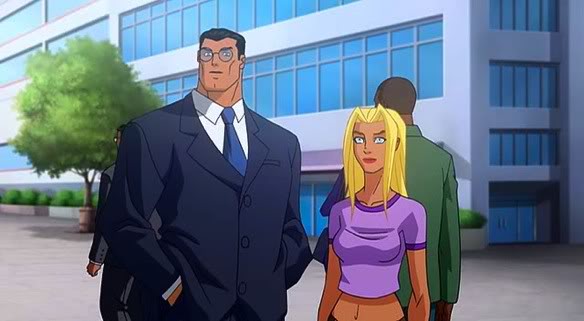
Supergirl Middrift
The first thing I’d do when I crash land on a different planet is show as much skin as possible.

The basis of the movie is that Supergirl, or Kara, came to Earth and is trying to fit in with society and find herself a home. For the uninitiated, Supergirl is Superman’s cousin. Without really going into the story, there’s a montage where Supergirl takes women back to the Stone Age.

“What is like to be a girl in the city?” Kara asks Superman.

Cue montage of Supergirl getting her nails done, shopping for clothes, and being the stereotypical “rich girl” while good ‘ol handsome-boy Clark Kent pays the bills. Ah, being a girl is sweet, isn’t it? That is, as long as you have a strong, rich man to pay for everything.
Supergirl Changing
“Don’t you like my new bathing suit, cousin?”

Ah, Kara Zor-El. Welcome to Earth. Learn our archaic ways.

Is Supergirl Dressed
Isn’t she like, 14?

For those familiar with the story, you will also know that Kara gets kidnapped by Darkseid to become the leader of his army. Superman and Batman get Wonder Woman and Big Barda to help out with the rescue. Of course, when they ask Barda to help, she just took a shower. How inconvenient for the viewers.
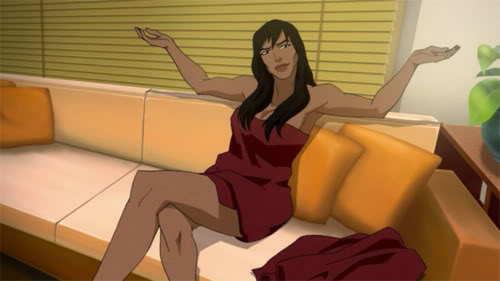
Bare Barda
“Thanks for stopping by. Don’t mind me. I won’t get changed.”

And once the team travels to Apocalypse to save Kara, Wonder Woman and Barda get caught up fighting the Furies. Thanks to some particular camera angles, we can see why the Furies want to fight them. They’re jealous of Diana’s “attributes.”
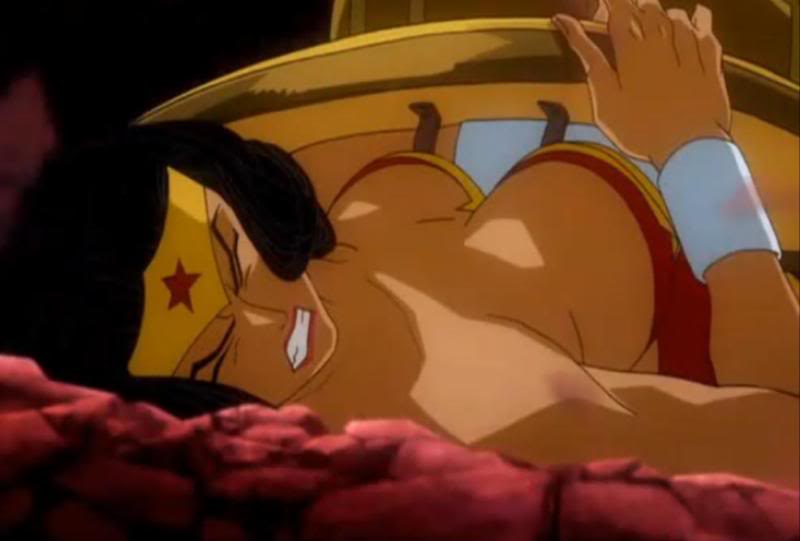
Diana Double Ds
Tons of thought goes into these camera angles.

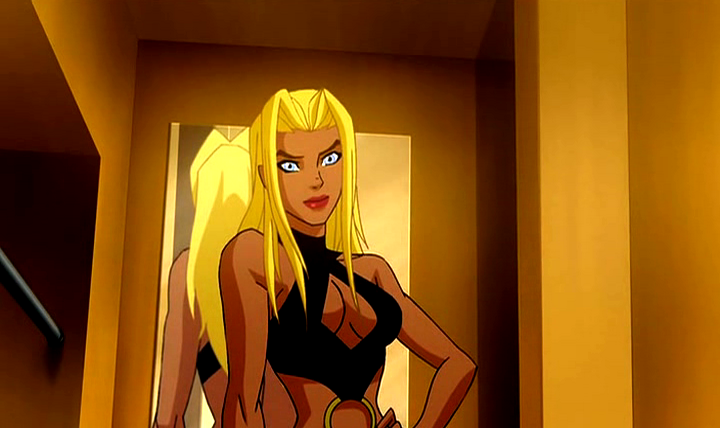
Luckily, Superman knows where Darkseid has hid Kara, so he’s goes in to save the day – only to find out that Kara is now mind controlled by Darkseid. AND! She’s changed wardrobes too, ’cause, y’know. Less clothing makes you more evil.
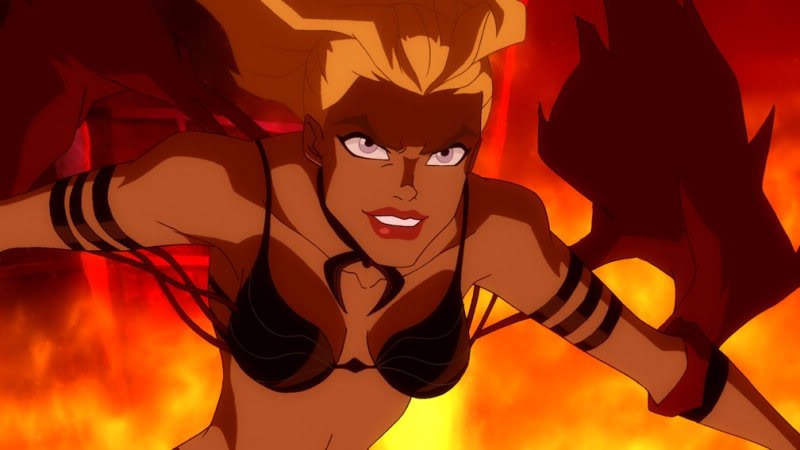
A New Supergirl Costume
Is this legal to watch?

So you can probably see some of my conundrums with this film. Of course, there’s tons more to show. The movie is riddled hyper-sexualized women.

I am aware that this isn’t the first movie or comic book to do so. If you looked at my previous entries I linked at the beginning of this blog, you’ll notice that I’m ragging on Marvel very hard for what they’ve done before.

And while, sure, the movie art matches how the comic was drawn, by no means did it need to be done this way. By no means do the particular camera angles chosen NEED to be there.

Taking Women Back 50 Years

I’ve shown you the physical proof of what the movie provided. What stuck to me is the lasting effect it would leave upon others.

Arguably, comics are directed towards young boys. Obviously, showing women the way they are in this movie would definitely drive those sales. What is wrong is the movie takes one limp forward and multiple steps backwards.

For sure, Kara learns a lesson in this film about finding herself. But at what cost?

If I were a young boy watching this movie, I’d be excited for the action, and even more blown away by how attractive all of the women are. Kara is just being a young girl, barely old enough to be allowed to watch the movie she is starring in. Men on the other hand are the strong and mighty. Although women can fight, they’re not nearly as cool as Superman or Batman. All they like to do is shop or get kidnapped and wait for men to rescue them. Your typical hero story.

Wonder Woman may be considered an exception as she “owns” an Amazon Army. However, the army loses a battle and Superman is left to save the day.

Now if I were a young girl watching this movie, I would notice that shopping is a lot of fun. I would love to look as good as Kara in those clothes and it would be even better if I didn’t have to pay! Wonder Woman has her own place, but cannot defend it unless Superman is there. Then the Furies fight Barda and Wonder Woman, I would be bombarded by breasts, hips and lack of clothing. By the end of the film, I would be happy that Supergirl found her way, but still be left to feel empty. There would be no reason for me to re-watch that movie and the images shown would be imprinted in my psyche forever.

In fact, the movie insults the strength of the already-strong female characters as men save the day.

Wait. What did she just say?

I know that comics can never really change. They will mostly be marketed towards boys, and that’s just how it is. But what can change is a mindset on how women should be portrayed.

Comic panels do not need to have massive breasts on every female character, nor does a movie need to shift camera angles to show particular features to its characters.

If you’re looking to impress boys, you do not have to do it by taking women back years of progress. But by doing so, you’re preventing a female audience from even caring, while still being damaging in the process.

It’s not a double-edged sword unless you make it to be one.

Keep on Space Truckin’.
Classic Comic Special: Comics, Covers, and Barcodes!

I usually use my Classic Comics feature to review a comic book. However, I’m going to do something different and talk comic book barcodes. What are comic book barcodes for? Why do some have pictures of Spider-Man’s head instead of the barcode? How and why did they affect comic book covers of Marvel and DC from the late 70s and early 80s? Let’s delve in.

Barcode Strikeouts

What are those? Let’s take a look!

For comics coming out at a time when technology didn’t move so fast, there had to be assurances for companies like Marvel and DC. But more on that soon.

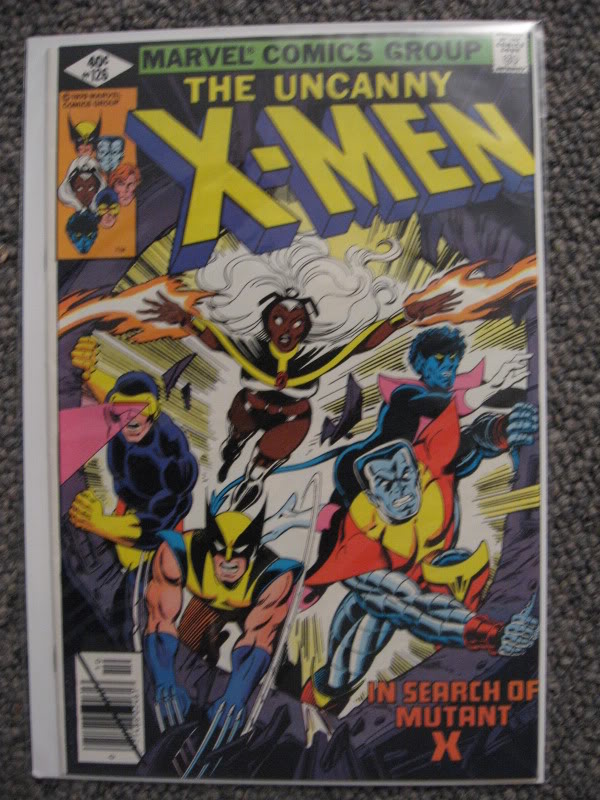
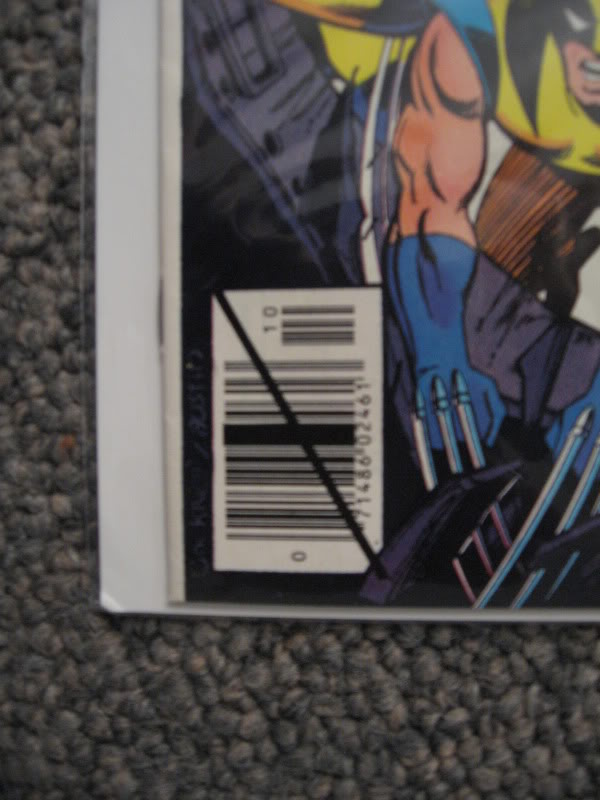
Here’s my copy of X-Men #126 from October of 1979. By all means, I invite you to click on the image to see it larger. Please pardon the quality of my old camera.

XMen

Let’s take a closer look at the bottom-left corner of the comic.

BarcodeStrike

I remember when I first started collecting, I had no idea why someone would put black strikes through the barcodes. Eventually, it dawned on me how the strikes only seemed to have affected a particular era of comics. In fact, the strikes they weren’t drawn on but actually printed over top of the barcode. I wanted to know what it meant (and I’m sure you do too)!

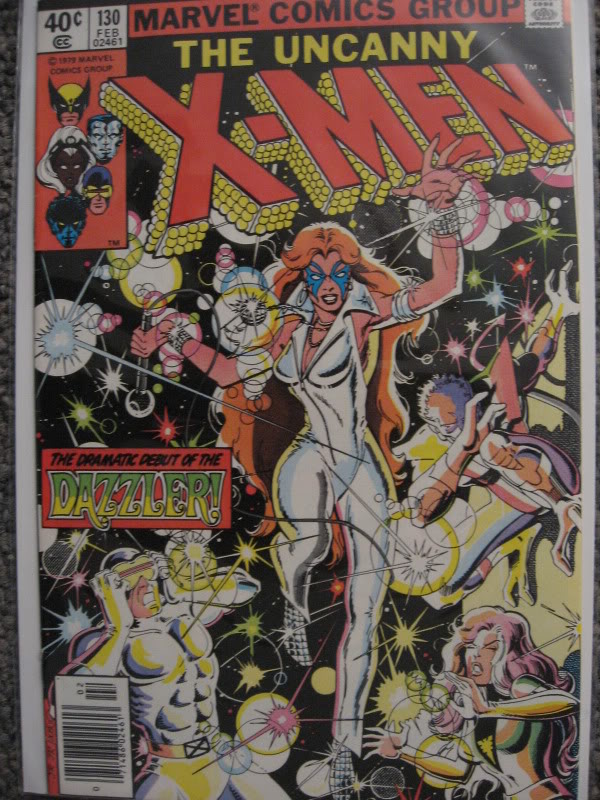
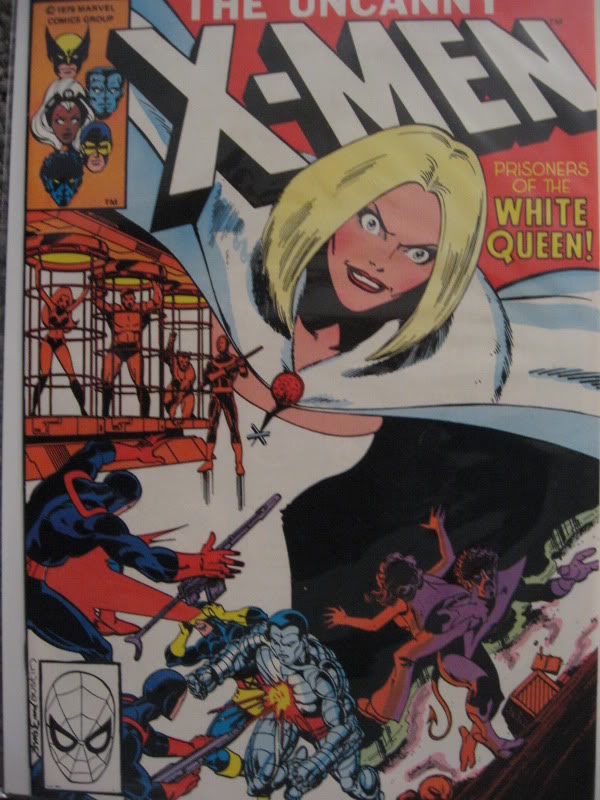
Three of the following X-Men comics I have featured strikes up until X-Men #130, from February of 1980.

XMen

Then issue #131 – a month later – it didn’t have a barcode at all!

XMen

Instead of a barcode, I see. . . a picture of Spider-Man? But I’ve seen issues of X-Men #131 with a barcode! What happened?!

Direct Edition vs. Newsstand Edition

A crossed out barcode means the comic book is a Direct Edition. So what’s that?

In a nutshell, there are two “types” of editions: Direct and Newsstand. A Direct Edition is sent to the comic book store and sold there. A Newsstand Edition is something which a newsstand would carry (seems obvious, right)? However, this was not just exclusive to newsstands, as malls, convenience stores, and drugstores could also receive Newsstand Editions.

A Direct Edition comic is crossed out due to a variety of things. One is because it tracks sales for the publisher, while another reason is to stop the store owner from returning the comics they did not sell. A crossed out barcode means the barcode could not be scanned into inventory for the publisher to accept as a return.

Obviously, that means the Newsstand Editions could be returned back to the publisher.

Arguably, Direct Edition comics are more sought-after because they would have been treated more carefully. They were less likely to have been placed in spinner racks, for example, and more likely to have been bagged and boarded. Direct Editions were also bought by the dealer at a lower price presenting another reason why dealers were unable to return them.

That being said, do you remember The Amazing Spider-Man #36? It was called the “Black Issue” as it was a tribute to the events of 9/11. I personally own a copy of that comic. Comic book dealers would have received one without a barcode on the cover at all. I bought mine at a local variety store which did have a barcode on the cover.

Believe it or not, if you have a good quality copy of that book WITH a barcode, it’s actually WORTH MORE because it is considered rare to find good-quality copies of Newsstand Edition comics. That “rule” really only applies to key issues of books, for the most part. Ultimately, it depends on the buyer.

Interestingly enough, Direct Edition dealers/comic book store owners were usually unable to scan the comics they brought in as most Direct Edition carriers did not have scanners for barcodes at the time. The technology simply wasn’t there yet or was too expensive for the comic shop owner to take on!

Due to the lack of technology from many of the comic dealers, Marvel replaced the Direct Edition barcodes with things like the Spider-Man head, or DC with Batman. On top of that, it was a way to promote extra little tidbits. Who doesn’t remember “50 Years of Captain America”, or “Spider-Man’s 35th Anniversary”? It was printed on every comic where the barcode should be. It made more sense to put those on Direct Edition books anyway as the readers would be more familiar with what’s happening in their comic book universe rather than a random person purchasing a book at a corner store.

Nowadays, since everyone is mostly on par with technology, barcodes have returned and comics just state whether or not they are Direct Editions. For example, here is a picture of Uncanny X-Force #1 from October of 2010. What does it say right next to the barcode?

Until next time folks, keep on Space Truckin’! If you’d like, you can also follow me on Twitter and Instagram!

UPDATE May 18th, 2020 – What if there’s LITERALLY NOTHING to go on?

This barcode blog has certainly been one of the most-viewed pages on my site. I’ve had many people message me both on here or through private messages to help find information on their books and clarify the understanding of barcodes. However, a recent inquiry piqued my interest and prompted me to update this post.

I completely forgot about the comic books that do NOT have barcodes. And no, I don’t mean the Spider-Man head barcodes.

I had Benn from the UK message me. He sent me a couple of photos of his book and its lack of a barcode – and lack of a back page, of all things!

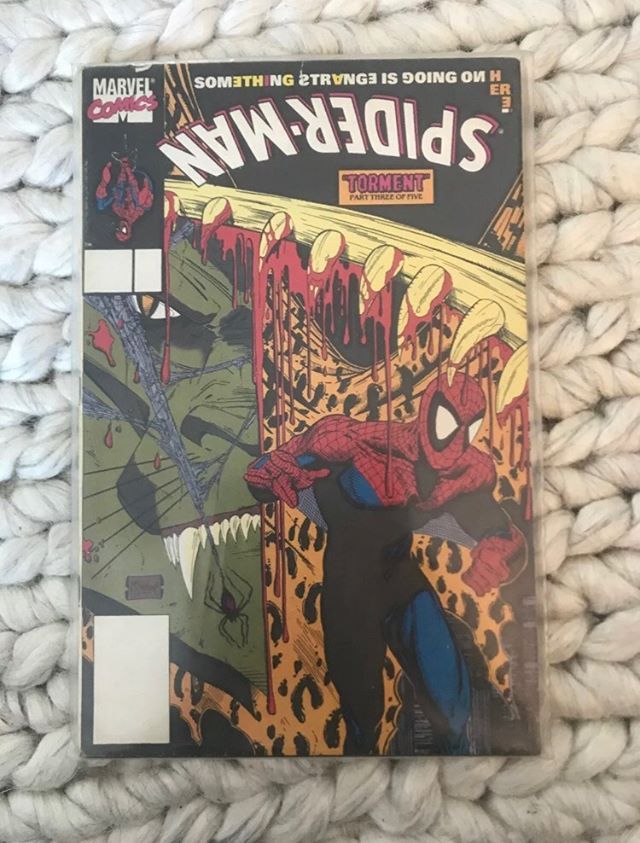
His issue was Spider-Man #3 – from Todd McFarlane’s run. This issue was “Torment Part 3” from 1990.

Looking at the cover, there’s red flags abound! There’s no barcode, no pricing, and no issue number! The information on the book’s cover are entirely stripped away. To make matters even stranger, the background colours are also different.

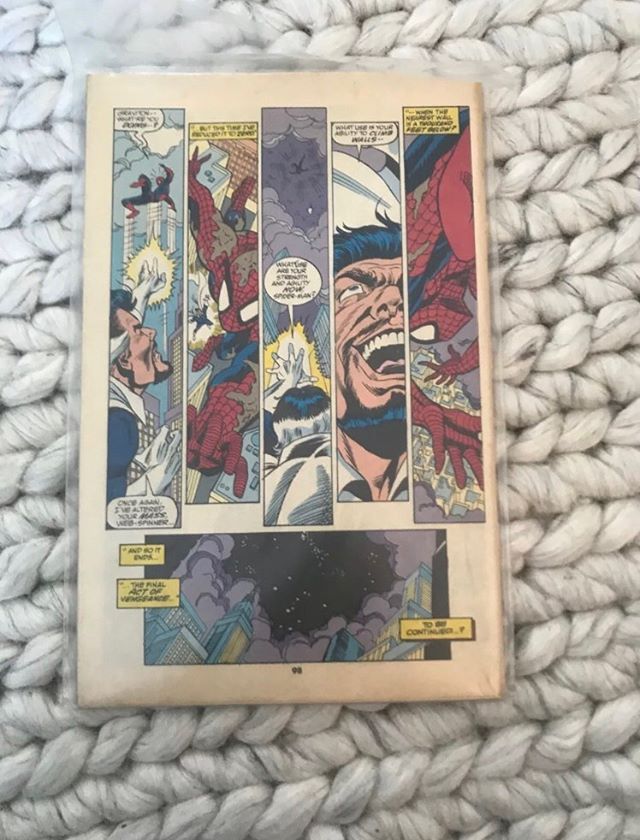
Benn also sent me a photo of the back of the book:

There’s no tearing or obvious removal of a back cover. The staples are intact. If you look closer, the cover actually wraps around to the back page. The book simply didn’t come with a back cover!

What gives? Benn’s book instantly reminded me of a Spider-Man giveaway series we saw here in Canada back in the early nineties.

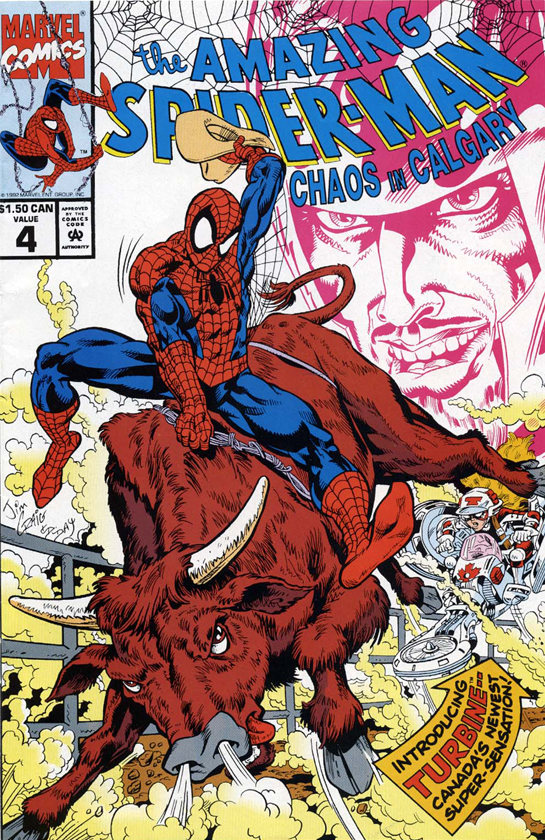
I personally had Spider-Man’s “Chaos in Calgary” and “Hard Ball” issues. They were part of a five-issue Spider-Man promo/giveaway from Marvel which was targeted to Canadians to have them read more Spidey books. Unlike Benn’s book, these books had both their prices and issue number on them. However, there was no barcode at all, let alone a spot for one on the cover.

Based on my prior experience on a few books without barcodes, and because Benn’s book featured a colour variant, I have to assume it was a reprint of some sort. Due to a lack of barcode, it must not have been scanned into stores – similar to the Direct Edition Spidey-head barcodes. I also could not find any information in the Overstreet Guide or Comics Price Guide, as if Benn’s book wasn’t actual “comic books” per se. Without a barcode, if Benn’s book was free or offered as a promotion like “Chaos in Calgary,” it would not get scanned into inventory at all – tracking wasn’t important because the book would have had no inherent value at the time.

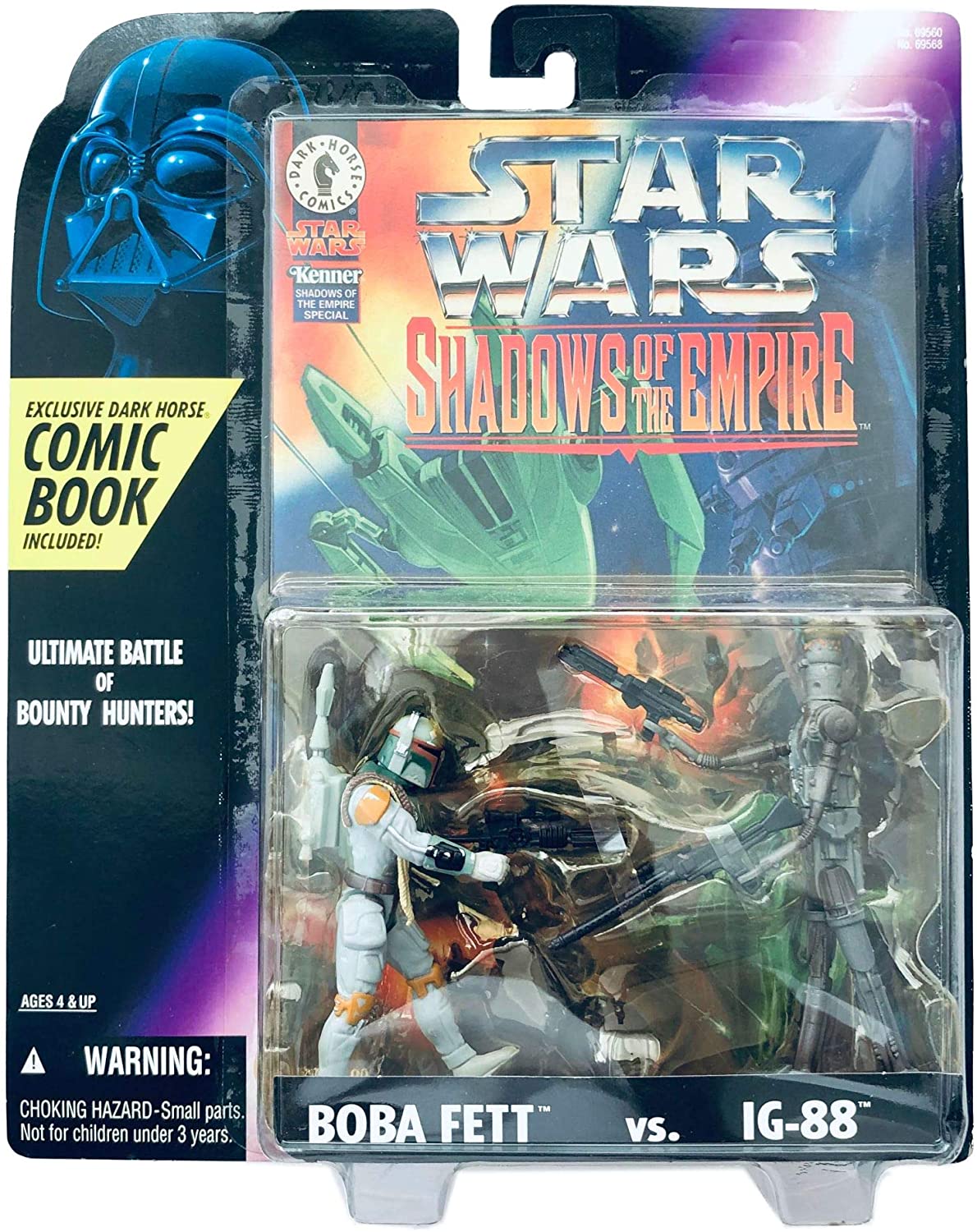
What Benn’s book reminds me of are the Comic Packs of the 90s. I remember one in particular which clearly had no barcode on the cover:

The Shadows of the Empire comic from Dark Horse all but confirms to me Benn’s book would have been part of a toy pack. Like Benn’s book, there’s no issue number, barcode, or price. Unlike Benn’s book however, the Shadows of the Empire book wasn’t necessarily a reprint because it hadn’t been published before. Benn’s book is a reprint for sure, but considering it to be from a toy pack, it may explain the lack of a back cover as the back would have been more expensive to print. The book would not have had a barcode because the barcode was on the packaging of the toy, not the book. It may also explain why I could not find any information of the “book” in either the Overstreet Guide or Comics Price Guide – because this may – and I’m using this term very loosely here – be labelled as a “toy” not a comic.

Personally, I’m not sure what it could be labelled as. Due to COVID-19, I certainly cannot go to any comic book or toy conventions to ask the dealers there.

Benn’s book leaves a lot of unanswered questions with it: was the book actually part of a toy or just a giveaway? Benn’s from the UK and certainly distribution and rules for it would have been different than in the Americas – does that play a factor to why there’s no numbering on it? Would you classify the book as a “toy?” If so, would “Chaos in Calgary” get a pass? Does packaging define the product? I’d argue Benn’s book is a comic book. Looking into the Overstreet guide, it doesn’t recognize Dark Horse’s Shadows of the Empire toy pack books. However, the Comics Price Guide does.

Unfortunately I am unable to offer Benn a true answer to his book. It certainly is a unique piece though! If you know of any action figures that may have sold with Benn’s Torment #3, please let me know!

Happy collecting, everyone!

Wednesday’s Reviews: Wolverine, Jubilee and Legacy

A new week with new reviews. There were only a couple of comics out this week, so there isn’t much to review. However, next week, I’ll have my hands tied. With over 15 comics on my pull-list coming out, including the death of a Fantastic Four member, I can guarantee next week will be the most exciting for reviews thus far.

For this week, we got the premiere issue of Wolverine and Jubilee, followed by the on-going X-Men Legacy – the issue before the Age of X.

Wolverine and Jubilee

Wolverine and Jubilee #1
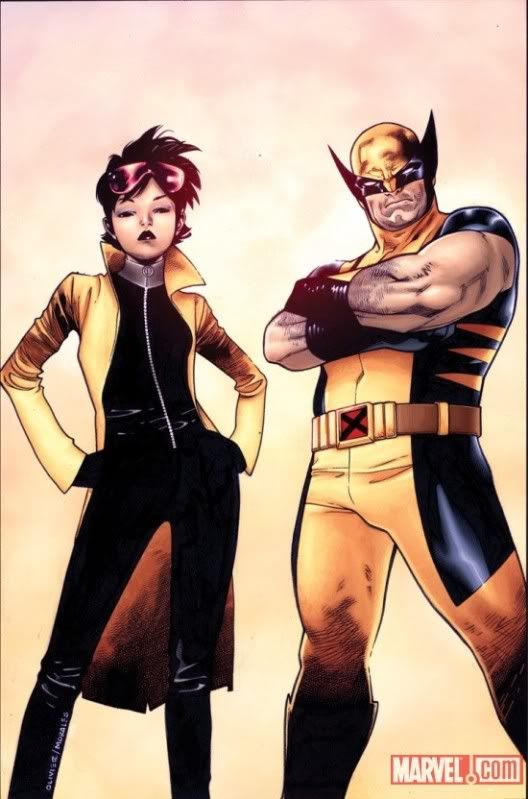
Kathy Immonen (writer), Phil Noto (penciler, inker, colours), Clayton Cowles (letters), Olivier Coipel and Morry Hollowell (cover). $2.99

Falling out of the third series of X-Men comics, Jubilee is now a vampire. With vampirism comes fighting with the thirst, plus multiple anger issues she has to deal with. Due to the lack of a cure, the science team found a temporary fix by inducing her with Wolverine’s blood, thus giving her a small healing factor and blood fix. The book deals with Jubilee integrating herself back into Utopia while other mutants try to help her out. After snapping on a few, she heads downtown and is met by a mysterious woman. By the end of the book, Wolverine and Rockslide find Jubilee in a storage crate littered with bodies.

From front to back, the only thing I could feel was sorry for Jubilee. She lost her parents, then her powers after M-Day, and now has lost her humanity. Quite literally, this is a story of tragedy. Kathy Immonen definitely portrays all the emotions Jubilee feels as she mingles with different mutants on Utopia. Then of course, with Wolverine being Jubilee’s father figure, we’re left to see him try and find ways to make Jubilee feel better, while also trying to defend her against prejudice. Little humour from Wolverine too, such as calling Santo “Sanchez” purposely is subtle enough to be placed in such a serious story and is very welcoming.

Last week I credited Phil Noto for his excellent cover on Widow Maker #3. Now he has the entire book to himself – doing everything, from inks to colours. His dynamics in this book really excel as sceneries change greatly from underground cells, to a sunset on Utopia, to a night club in downtown San Fan. Quite literally Noto does it all – while still making Jubilee look like an Asian-American. Too often is that forgotten when drawing her. Meanwhile, the cover by Coipel and Hollowell absolutely stuns me. The cover was also talked about in great detail at 1979 Semi-Finalist if you want to see the cover discussed in a bit more detail.

Overall, the story is strongly well-paced and it seems to me like Wolverine really has his hands full already. I really hope the best for Jubilee.

Grade: 8/10

X-Men Legacy

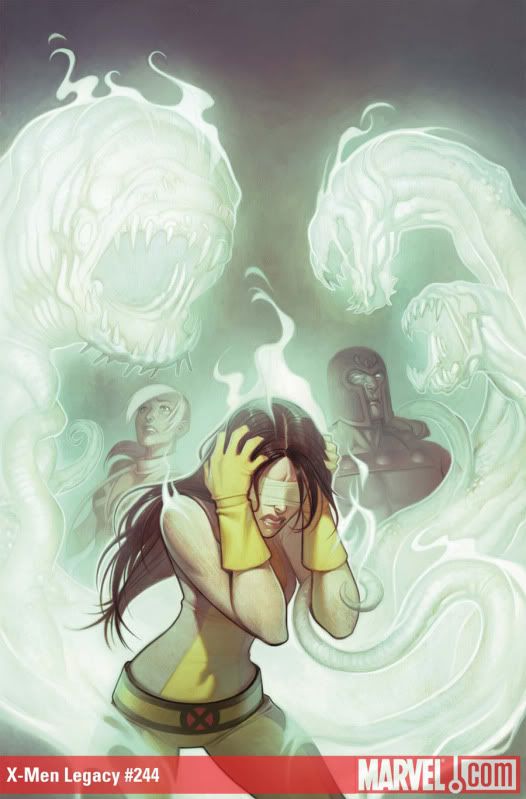
X-Men Legacy #244
Mike Carey (writer), Harvey Tolibao (penciler), Sandu Florea (inker), Brian Reber (colours), Cory Petit (letters), Joy Ang (cover). $2.99

On Utopia, Blindfold is having bizarre premonitions again. The last time she had ones this bad was before the Second Coming event and led to the ghost of Proteus attacking the X-Men on Muir Island. Fortunately for Blindfold, this time she’s on Utopia with friends. However, Blindfold is not the one narrating the story, and it seems to be someone watching all of the X-Men’s events.

Rogue as the now-undeclared-psychologist on Utopia, talks to Ruth to figure out what it all means. Unsure, Rogue goes to Cyclops, Emma Frost, and Madison Jeffries for help. While Rogue asks questions, Blindfold looks for answers. Eventually, she wanders off and is attacked by a creature left from Emplate’s dimension (back in X-Men Legacy #228). Rogue fights it off and saves Blindfold. However, the narrator of the story seems to fly over Utopia in some massive ship, glared out by the sun. So begins the Age of X.

I’ve always enjoyed Carey’s work. He’s been doing X-Men Legacy for quite some time now – which is before Messiah CompleX (late-2006), so he’s really sure on a ton of characters. Rogue has been the main focus for him for the past twenty-or-so issues, and he’s still doing an excellent job with her. She’s still refreshing to read about and speaks with everyone on Utopia. But given how the last-issue ended, I’m surprised this was not more about Hellion. With Blindfold’s unanswered questions, I’m left confused on what Age of X really is, thus leaving me with confusion. I am unsure of that’s a good thing.

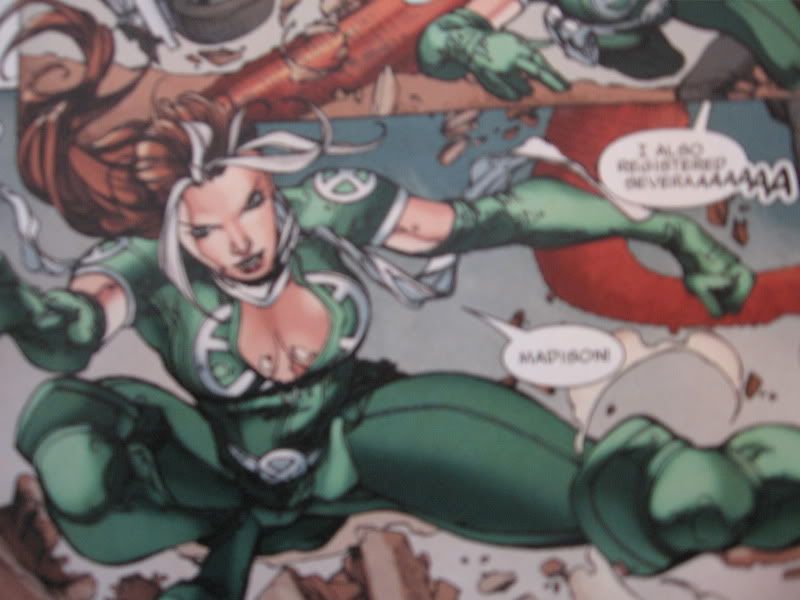
Paul Davidson has been replaced with Harvey Tolibao for pencils and the quality level is noticeably different. Although Davidson is not a bad artist, Tolibao’s details and many full-body shots definitely ups the action in the story. However, Rogue’s breasts are again the focal point for many panels. I do not know why she would even wear a jacket like she does. To top it all off, is Rogue wearing grease on her breasts? I mean, there’s literally shiny reflections off of those things. It’s absolutely bizarre.

Bright colours by Reber are definitely welcomed. I do not even recall when I’ve seen so many bright colours on a page. Rogues green is really green. The demon in Gambit is really menacingly grey. Emma Frosts lips are. . . black? Okay, so there’s a few things which seem off, but mostly, the colors are jaw-dropping. Page 5 and 6 are really great from an inker’s perspective with everything properly balanced.

It wouldn’t have been a bad kick-off for the Age of X if I knew what was going on. Oh, and breasts don’t glitter.

Grade: 5/10

Next week! Keep on Space Truckin’! No wait.

Seriously. What the hell is going on here? Where did she get that grease from?

Rogue One

Rogue Two

Oh, and pardon my camera.